
Pakistan is moving ahead with a bold plan to strengthen its water infrastructure over the next ten years. The Planning Commission has outlined a clear strategy under the National Water Security framework of URAAN Pakistan. The goal is to raise water use efficiency from the current 40 percent to 70 percent and increase water available at farm gates from 58.3 million acre feet to 79 million acre feet by 2029.
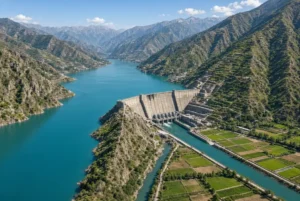
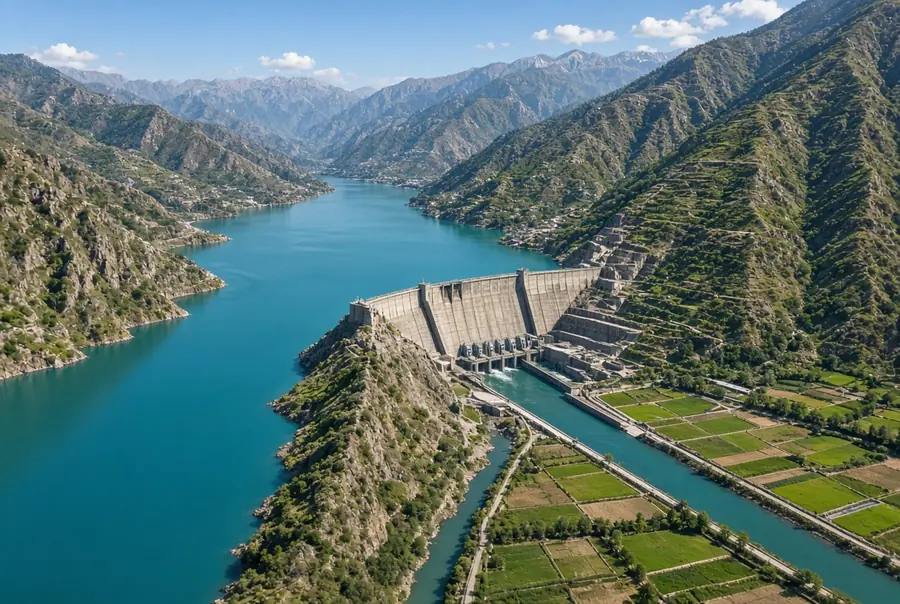
A key target is to expand water storage capacity from the existing 15.318 million acre feet to 23.54 million acre feet by 2029. Officials note that current live storage covers only about 11 percent of annual Indus River flows. Ongoing projects under the Public Sector Development Programme are expected to add 9.821 million acre feet. Proposed projects such as the Akhori Off Channel Storage Dam, Shyok Dam and Skardu Dam could contribute another 14.5 million acre feet.
The federal government estimates that around $18 billion will be needed for strategic water infrastructure, covering flood management, new storage and canal modernisation. The report also suggests creating a Water System Integrator role under the Indus River System Authority to improve accountability in water distribution from rivers to farms.
Agriculture still uses nearly 95 percent of the country’s freshwater. To improve productivity the plan recommends faster adoption of drip and sprinkler systems through financial incentives, reforming the abiana system so it covers real operation and maintenance costs, and adjusting cropping patterns. About 20.58 million acres of suitable land remain outside formal irrigation networks and could be brought under cultivation.
Groundwater concerns remain serious. Levels in Punjab are falling by 0.5 to one metre every year and the Indus Basin Aquifer ranks as the second most stressed aquifer in the world. The report warns that linking solar tubewell subsidies to proper groundwater registration is essential to slow uncontrolled pumping.
Flood warning times have also dropped sharply. At Marala Headworks the time available has fallen from 40 hours in 2014 to just 5.5 hours in 2025. Authorities recommend declaring water security a national security issue, enacting the National Flood Protection Plan IV, strengthening glacier monitoring and updating flood design standards. The framework further calls for recycling at least 25 percent of urban wastewater, noting that more than half of monitored urban water sources are currently unsafe.
Achieving these 2029 targets will require coordinated action on infrastructure, regulation and better water governance across the country.