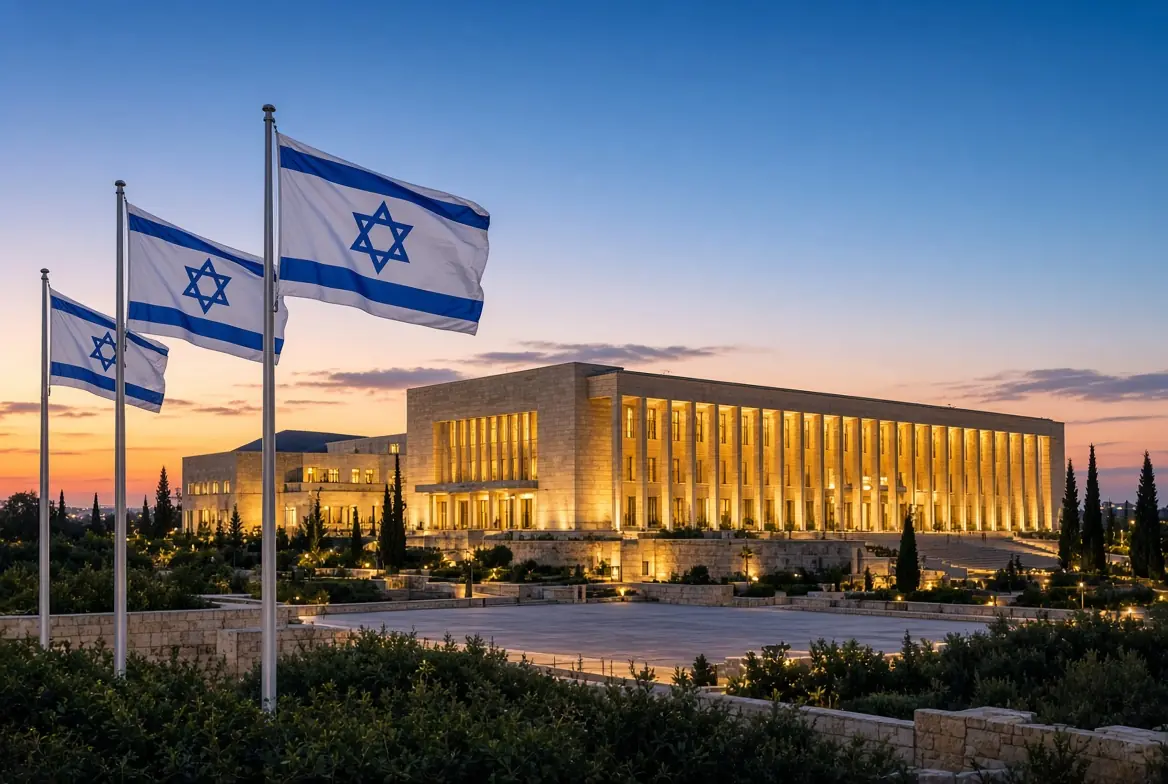

Israel election deadlock has left the country’s political future uncertain after Tuesday’s vote produced no clear winner. Prime Minister Benjamin Netanyahu and his main rival Gadi Eisenkot both staked claims to lead the next government even though exit polls showed their blocs locked in a near tie.
Netanyahu urged the formation of a strong right-wing national government. He told supporters that Israel now has a historic chance to work with US President Donald Trump and end the threat from Iran. Eisenkot took the opposite view. He said voters had clearly rejected Netanyahu and called on the longtime leader to leave politics. Neither man declared outright victory.
Exit polls from major channels painted a deadlocked picture. Kan 11 and Channel 13 put both sides at 51 seats each. Channel 12 gave Netanyahu’s Likud-led bloc a slim 52-49 lead. In the 120-seat Knesset, 61 seats are needed for a majority. Neither camp reached that number. Far-right parties led by Itamar Ben-Gvir and Bezalel Smotrich were projected to win about 13 seats inside Netanyahu’s camp, offering limited extra support.
Arab parties outside the two main blocs could hold the balance of power. Eisenkot has already ruled out partnering with them, making his path to a majority even harder. Voter turnout hit 77.7 percent, the highest in more than twenty years and roughly seven percent higher than in 2022.
The deadlock may actually help Netanyahu. He can remain as caretaker prime minister while coalition talks drag on or until a new election is called. Final official results are expected on Thursday or Friday. Smaller parties are likely to become kingmakers in the long negotiations that usually follow Israeli elections.
Security remained a central theme. Netanyahu highlighted military achievements and warned against letting political motives interfere with national missions. Eisenkot accused the prime minister of using security for political gain and insisted that the security establishment must put the country’s interests first.
Experts note that Netanyahu’s previous coalition has lost ground while Eisenkot has not yet emerged as a decisive alternative. The coming days of counting and bargaining will decide whether Israel gets a new government or heads back to the polls.