
The Middle East has slid back into intense military conflict after the United States conducted a third consecutive night of strikes against targets in Iran. This military escalation coincides with President Donald Trump’s plans to reimpose a naval blockade on major Iranian ports and his proposal for a 20% transit fee on commercial ships navigating the strategic Strait of Hormuz. Despite the rapid escalation, Trump insisted that a peaceful diplomatic settlement with Tehran remains achievable.
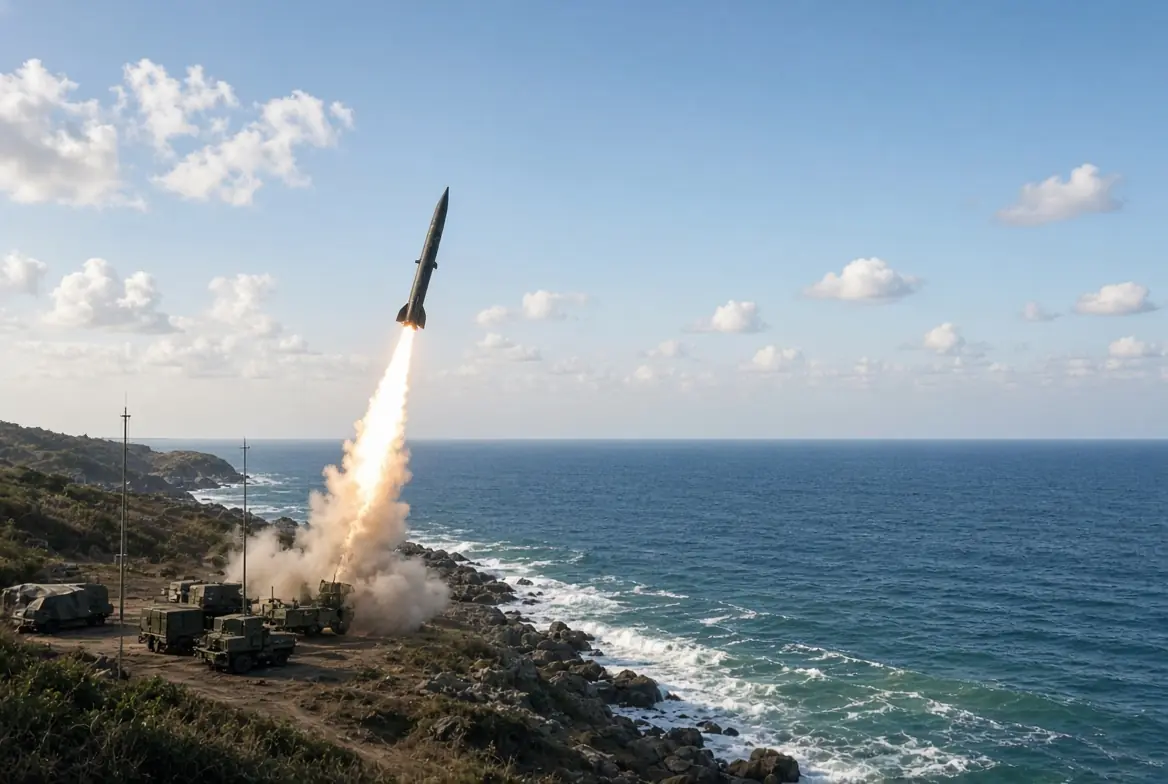
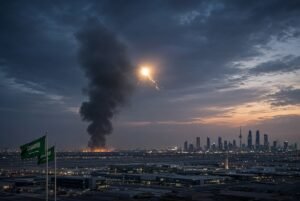
The high-intensity five-hour US mission targeted critical Iranian naval and military installations in coastal Bushehr and Bandar Abbas to neutralize weapons systems used to threaten shipping lanes. According to US Central Command, the operations successfully degraded Iran’s capability to intercept commercial transit. The strike marks a historic combat milestone, featuring the successful deployment of US autonomous one-way attack surface drones against a submarine and ship maintenance facility in Bandar Abbas.
In direct retaliation, Iran’s Islamic Revolutionary Guard Corps (IRGC) launched a barrage of missiles and drones targeting American military installations across the region. Attacks were directed at US bases in Bahrain and Jordan. While Jordan confirmed it successfully intercepted and shot down four Iranian missiles, the IRGC claimed its strikes successfully hit key drone command hubs, storage depots, and military housing.
The resurgence of conflict has sent shockwaves through the energy market, driving global oil prices up by more than 9%. While Trump announced that the United States would take over the shipping corridor as the “Guardian of the Strait,” Iranian officials mocked the proposed 20% tariff as modern piracy. To continue diplomatic efforts and prevent a full-scale regional war, Iranian negotiators are reportedly maintaining contact with international mediators from Qatar, Pakistan, and Oman.