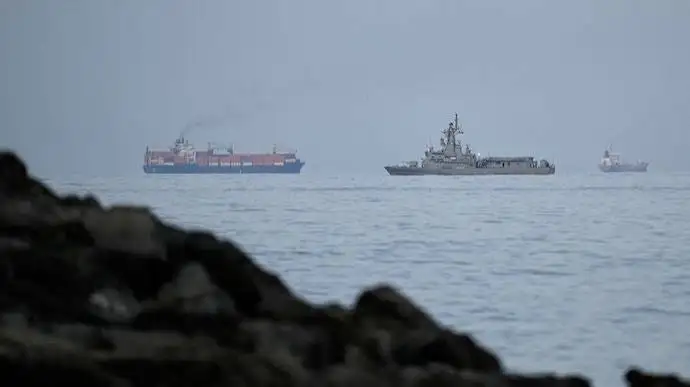

Shipping companies are increasingly avoiding the Strait of Hormuz despite a US military escorted transit program, as recent Iranian attacks on commercial vessels have heightened concerns about the safety of one of the world’s busiest shipping lanes.
Industry sources revealed that many operators are delaying or canceling voyages through the strategic waterway after several ships were attacked in recent days. The Strait of Hormuz is a vital gateway for global energy supplies, carrying a significant share of the world’s oil and liquefied natural gas exports.
For decades, commercial vessels safely navigated through internationally recognized shipping lanes established by the United Nations. However, the ongoing conflict between the United States and Iran has dramatically changed conditions in the region. Iranian forces reportedly mined parts of the traditional route, forcing ships to travel closer to either the Iranian or Omani coastline.
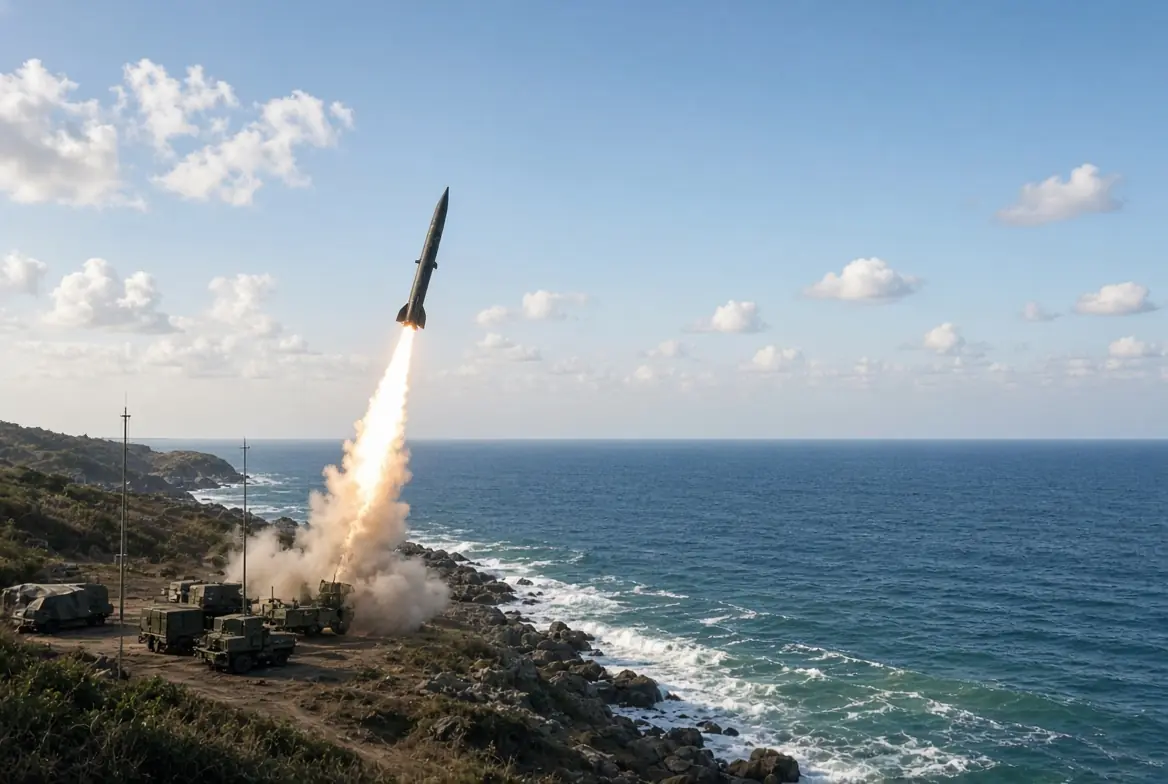
The United States introduced a military guided transit system last month to help protect commercial vessels. The operation uses naval assets, helicopters, drones, and surveillance systems to escort ships through the dangerous waters while ensuring energy exports continue flowing to global markets.
Despite these efforts, maritime security experts say confidence in the route has weakened. According to industry reports, at least five commercial vessels, including crude oil tankers, an LNG carrier, and a container ship, have been attacked since early July in waters associated with the US escorted route. Iran’s Islamic Revolutionary Guard Corps has also claimed responsibility for attacks on two Emirati oil supertankers.
Shipping firms say the continued attacks have forced them to reassess operational risks, with crew safety becoming the highest priority. Several Greek maritime security companies have advised operators to postpone voyages until regional tensions improve.
Meanwhile, the White House maintains that the Strait of Hormuz remains open for international shipping. US officials insist that hundreds of vessels have successfully passed through the region under military coordination, although traffic remains below normal levels.
As military tensions continue to rise and threats expand toward nearby waterways, the global shipping industry remains on high alert. Analysts warn that any prolonged disruption could impact international trade, energy supplies, and oil prices in the coming weeks.