
The federal government’s National Electric Vehicle (NEV) Policy 2025 to 2030 is designed to accelerate the adoption of electric vehicles (EVs) across Pakistan, reduce reliance on imported fuel, and lower carbon emissions. While the policy has generated optimism, many commercial drivers in Islamabad are questioning whether the transition is financially practical given the high upfront cost of electric vehicles.
For drivers like Ahmed Ali, who has worked as a taxi driver in Islamabad for over 15 years, rising fuel prices have become a major financial burden. He says a significant portion of his working day is spent earning enough to cover fuel expenses before he can begin making an income for his family. Similar challenges are faced by thousands of taxi drivers, ride hailing operators, and motorcycle riders across the country.
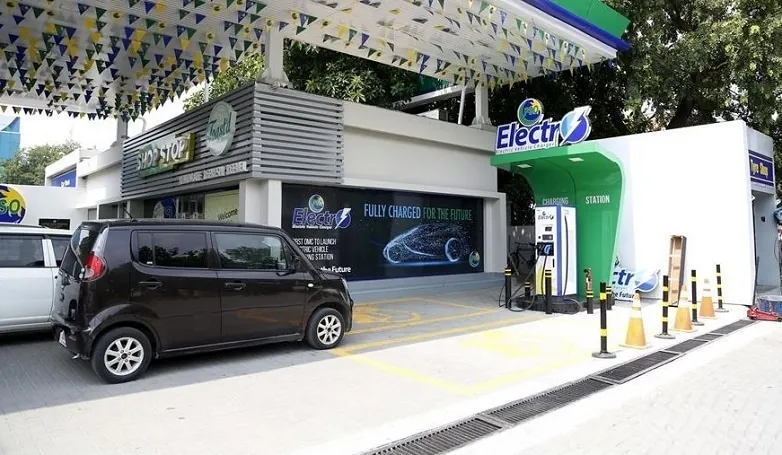
The government believes that expanding electric mobility will reduce Pakistan’s fuel import bill while promoting cleaner transportation. Under the NEV Policy, authorities are encouraging EV adoption through financial incentives, expanding charging infrastructure, and supporting local manufacturing. Islamabad has already introduced electric buses, while the Capital Development Authority (CDA) is working to increase the number of charging stations across the city.
Energy experts argue that although electric vehicles cost more to purchase initially, they are considerably cheaper to operate. According to specialists, an EV typically costs Rs1.5 to Rs2 per kilometre, compared with approximately Rs6 per kilometre for a petrol powered motorcycle. Commercial riders covering long daily distances could save between Rs5,000 and Rs8,000 every month, allowing them to recover the higher purchase cost over time.
Despite these long term savings, many drivers remain hesitant due to concerns about battery life, charging availability, maintenance costs, and financing options. Experts also point out that Pakistan still needs a larger network of home, workplace, and public charging stations to support widespread EV adoption.
Energy analysts believe Pakistan’s electricity generation capacity can accommodate growing EV demand. However, they stress that the success of the transition depends on coordinated investment in charging infrastructure, modern distribution networks, and smart energy policies. With the right planning and continued government support, Islamabad’s EV transition could become a model for sustainable transportation across Pakistan.