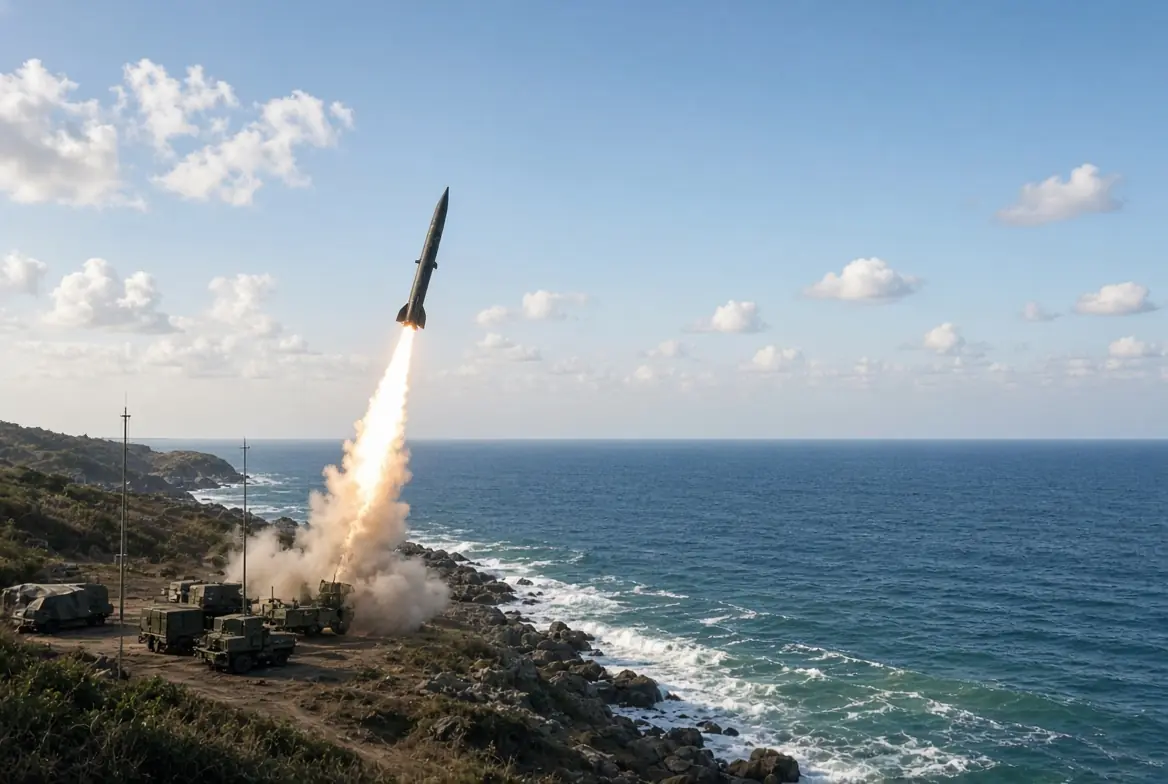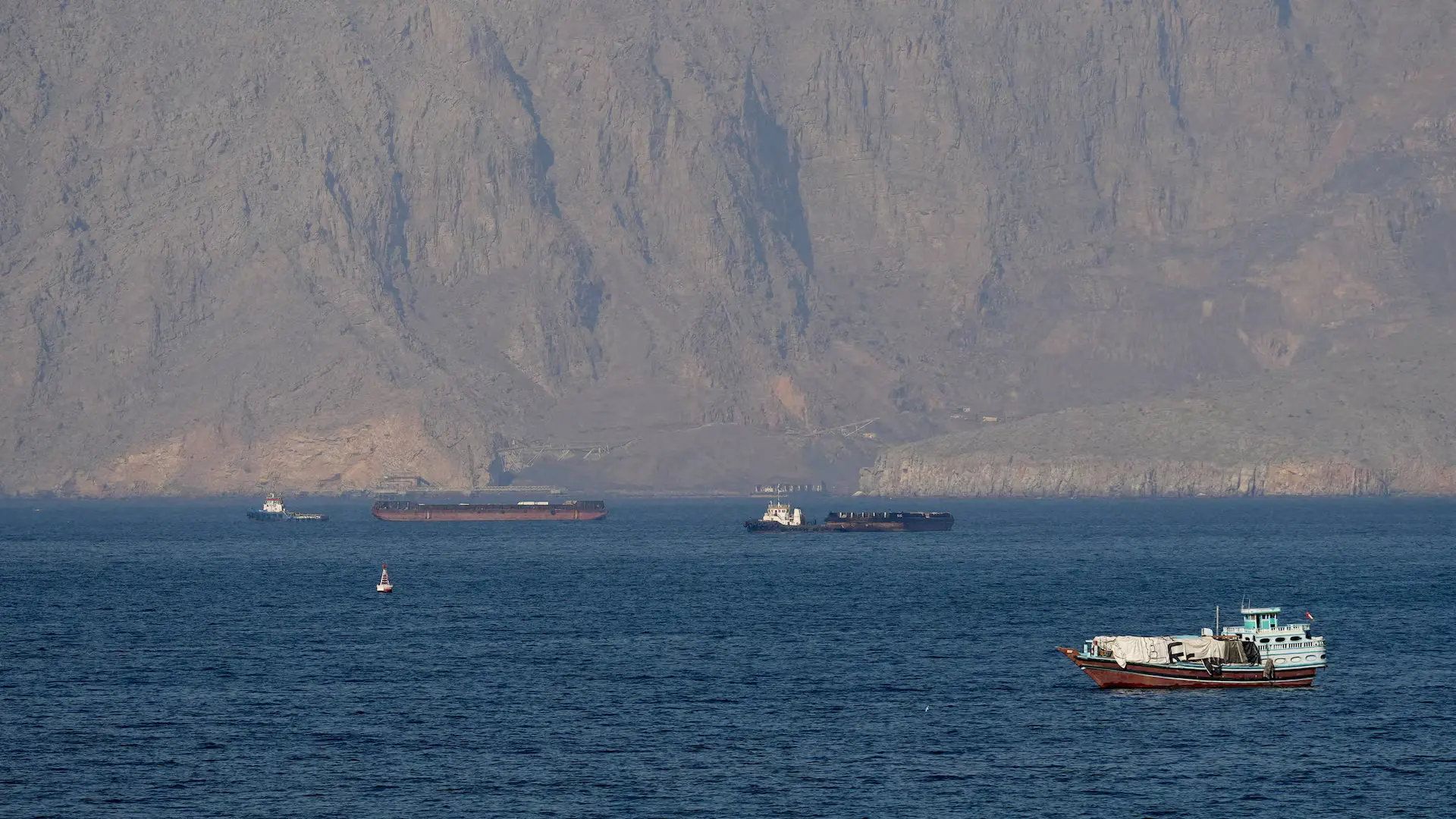

The global shipping industry is bracing for massive disruption after US President Donald Trump proposed a steep 20% surcharge on all cargo transiting the strategic Strait of Hormuz. This controversial announcement followed the breakdown of a highly fragile ceasefire with Iran, reigniting deep geopolitical tensions over one of the world’s most critical maritime choke points.
Claiming the unique role of the region’s protective guardian, Trump argued that the United States deserves financial reimbursement for safeguarding Middle Eastern shipping lanes. With the temporary ceasefire now in tatters, the administration appears determined to enforce this new financial policy despite intense international pushback. This bold demand marks a dramatic shift from previous US diplomatic positions, which consistently maintained that no nation has the legal authority to charge fees for using international waterways.
The unilateral move raises serious legal questions under international maritime protocols, specifically the UNCLOS treaty. Under this convention, nations bordering international straits are explicitly prohibited from charging transit tolls, though they may levy minor fees for direct port services or piloting. While neither the United States nor Iran are formal signatories to this treaty, UNCLOS guidelines are widely recognized as the standard for global maritime law.
Iran, which shares the vital waterway with Oman, has previously attempted to enforce its own transit controls and hinted at future fees. However, Trump’s sudden demand for a substantial cargo tax represents an unprecedented escalation in international trade policy. Industry experts warn that such a significant levy could trigger an immediate global energy shock, severely inflating shipping expenses and driving up fuel prices for international consumers.
Gulf nations and major energy-importing countries have already expressed deep concern over the proposed fee, fearing long-term instability in global trade routes. As the diplomatic dispute intensifies, the legal and economic feasibility of enforcing a unilateral transit toll remains highly uncertain, leaving the international shipping community in a state of high anxiety.