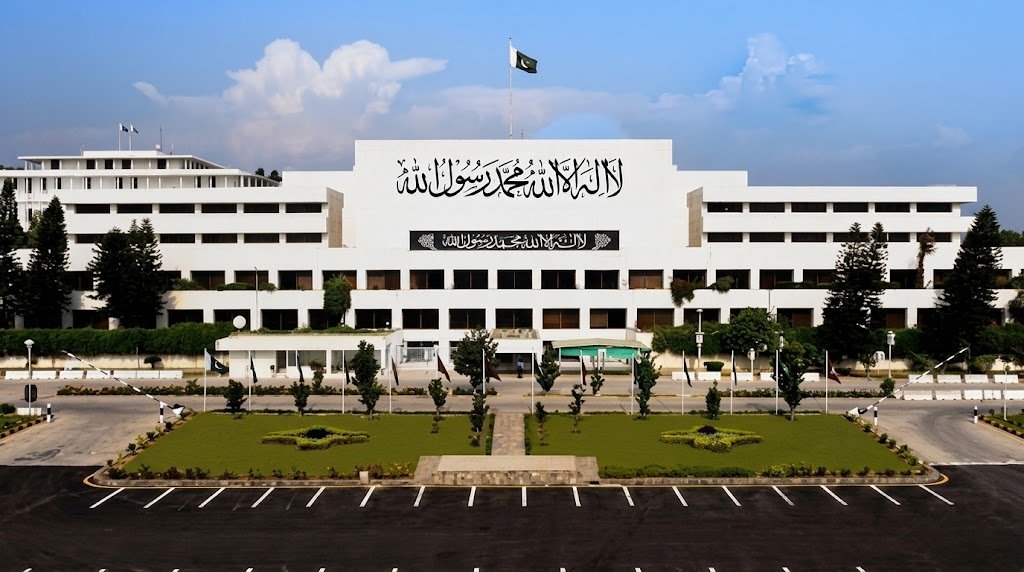

An elected provincial government in Pakistan cannot simply be ousted at the whim of the federal administration. Following historic constitutional amendments, particularly the 18th Amendment, the power to remove a chief minister or dissolve an elected assembly rests primarily within the provincial house itself. A chief minister can lose office if a vote of no-confidence succeeds under Article 136, or if they fail to secure a vote of confidence requested by the governor. Additionally, a government may fall if the assembly is dissolved on the chief minister’s advice or if the leader faces disqualification.
While the central government cannot directly dismiss a provincial administration over political differences, the constitution offers temporary mechanisms during severe crises. Under Article 234, if a provincial constitutional machinery collapses, the president can temporarily assume executive functions based on a governor’s report and parliamentary approval. Furthermore, Article 232 allows the declaration of an emergency in response to grave security threats or extreme internal disturbance. However, invoking emergency powers over internal unrest generally requires a provincial assembly resolution or strict parliamentary oversight to remain valid.
Legal experts emphasize that these emergency measures only allow a temporary suspension of powers rather than the permanent dismissal of an elected leader. Past judicial precedents confirm that presidential proclamations cannot outright sack a Chief Minister without proper democratic procedures. Subverting provincial autonomy for political gain undermines the country’s federal balance and electoral mandates. Ultimately, the provincial assembly remains the sole democratic arena where the political legitimacy of a local government is tested and decided.