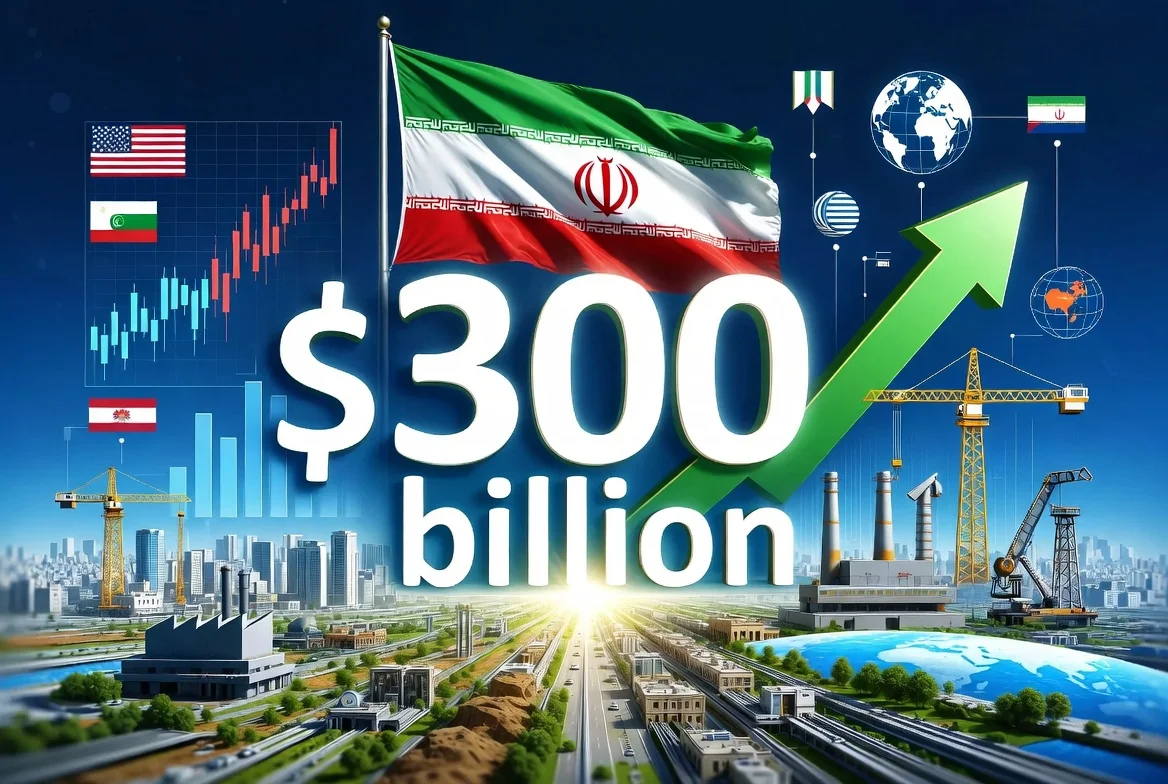

A groundbreaking $300 billion private investment fund is set to play a key role in Iran’s economic future as part of the US-Iran framework agreement. According to a well-informed source, more than half of this amount — over $150 billion — has already been committed by companies across five key regions.
This ambitious fund aims to create strong economic incentives for both sides to finalize the peace deal. It is completely private and contains no government money or grants. The fund focuses on attracting serious investments into vital sectors such as energy, logistics, manufacturing, and transport. Companies from the United States, Gulf Arab states, Asia, South America, and Africa have already pledged support.
The fund, which will be named the Reconstruction and Development Fund, emerged after Iran initially sought $400 billion in war compensation. Instead of direct payments, this private mechanism was developed to support rebuilding damaged infrastructure including steel complexes, refineries, airports, and other key facilities.
Importantly, this Iran Investment Fund is separate from ongoing talks about lifting sanctions and releasing frozen Iranian assets abroad. It will only become operational after the final US-Iran deal is signed. A 60-day memorandum of understanding will guide the planning process, allowing fund administrators to work closely with Iranian officials and international investors to identify and scope priority projects.
Iran possesses enormous economic potential with the world’s second-largest natural gas reserves and fourth-largest oil reserves. The country also boasts a young, educated population of over 92 million people and a diversified industrial base. However, decades of sanctions have severely limited foreign investment. This new fund could mark a turning point by opening doors to global capital and supporting long-term development in petrochemicals, mining, tourism, and agriculture.
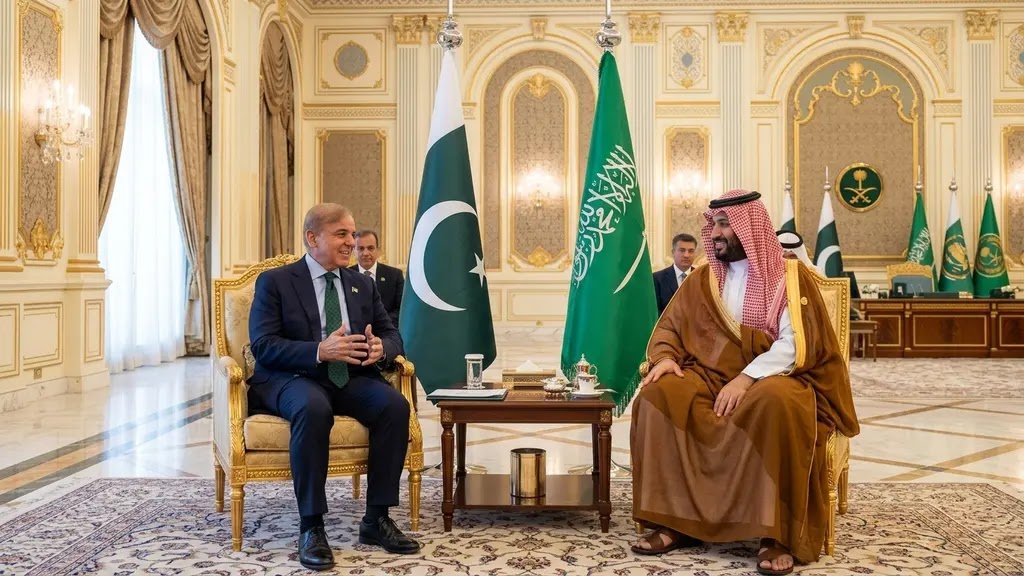
The agreement comes after a recent peace framework that ended military conflict and aims to reopen the Strait of Hormuz. While key details about fund administration are still being finalized, the initiative signals strong international interest in Iran’s reconstruction. Pakistan played an important mediating role in the fund discussions.
This development offers hope for economic revival in Iran while encouraging compliance with the broader peace terms, including nuclear restrictions.