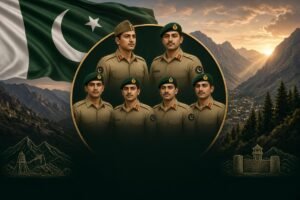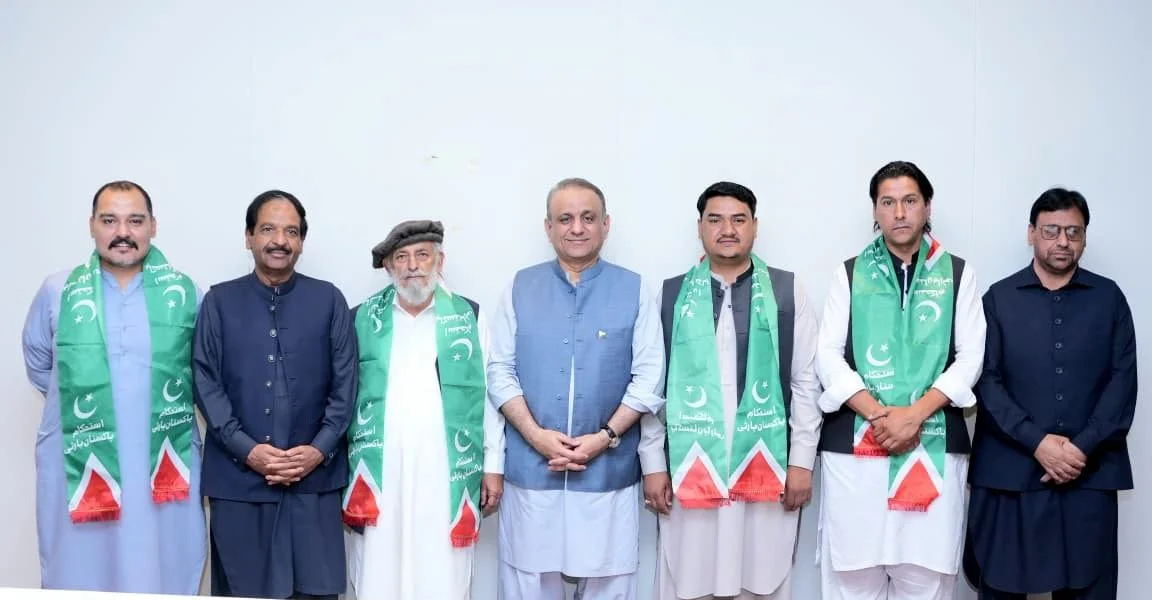

The political landscape of Gilgit-Baltistan witnessed a significant development as four independently elected members of the Gilgit-Baltistan Assembly officially joined the Istehkam-e-Pakistan Party (IPP). The announcement was made during a meeting with Federal Minister for Communications and IPP President Abdul Aleem Khan in Gilgit.
The newly inducted members include Anwar Ali from GBA-23 Ghanche-2, Asad Shafiq from GBA-24 Ghanche-3, Muhammad Dilpazeer from GBA-15 Diamer-1, and Aman Ali from GBA-21 Ghizer-3. Their decision marks an important political move following the recently held Gilgit-Baltistan Assembly elections.
Speaking after joining the party, Muhammad Dilpazeer stated that the four elected representatives had formed a united group and collectively decided to become part of the IPP. He further revealed that discussions were ongoing with other independent lawmakers as well as candidates associated with Majlis Wahdat-e-Muslimeen (MWM). According to him, efforts are underway to strengthen the party’s position in the assembly.
Dilpazeer expressed confidence that additional members would soon join the party, which could significantly increase IPP’s representation in the regional legislature. He claimed that with further support from independent candidates, the party has the potential to become the second-largest political force in the Gilgit-Baltistan Assembly.
The development comes after the June 7 Gilgit-Baltistan Assembly elections, where the Pakistan Peoples Party (PPP) emerged as the largest party by securing ten seats based on preliminary and unofficial results. Following the election outcome, Prime Minister Shehbaz Sharif invited the PPP to form the government in Gilgit-Baltistan and assured the party of full cooperation during the government formation process.
The Prime Minister also announced that the Pakistan Muslim League-Nawaz (PML-N) would sit in opposition while supporting the PPP in the assembly’s government formation vote. The move was described as a decision based on democratic values and parliamentary traditions, further shaping the evolving political dynamics of the region.