
Hague court has delivered a major ruling that strengthens Pakistan’s position on the long-running water dispute with India. The Permanent Court of Arbitration in The Hague declared that the Indus Waters Treaty remains fully in force and India has no legal right to suspend or end it.
The decision comes after India placed the 1960 treaty in abeyance following a deadly attack in Indian Illegally Occupied Jammu and Kashmir in April 2025. New Delhi blamed Pakistan for the incident, a charge Islamabad firmly rejects. Tensions later escalated into the heaviest fighting between the two countries in decades in May 2025 before a ceasefire was reached.
In its latest order the court examined every possible ground India had publicly cited for holding the treaty in abeyance. It found none of them justified suspension or termination. As a result India must continue to meet all its obligations under the Indus Waters Treaty, including those covering the design and operation of hydroelectric projects on the western rivers.
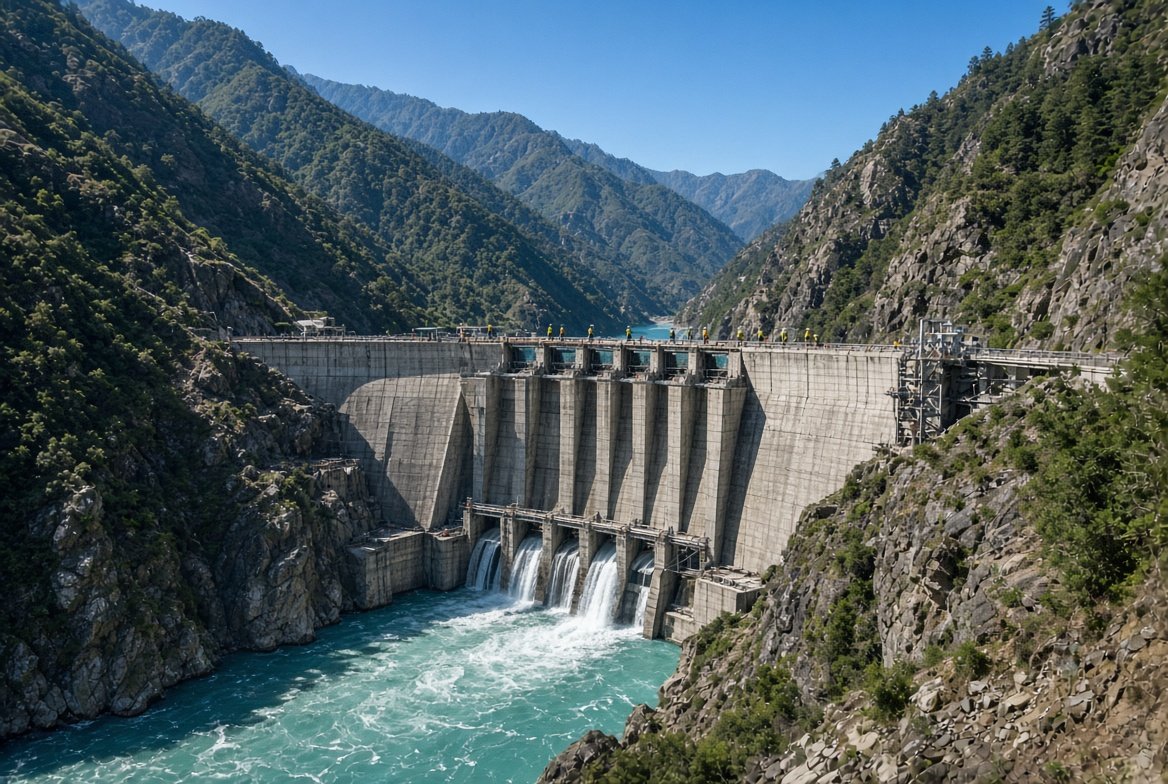
A neutral expert appointed by the World Bank will decide by July 2027 whether India’s hydro projects comply with the treaty. Until then the court has imposed strict interim measures on the Ratle Hydroelectric Plant. India is prohibited from concreting the dam wall and power intake structure above certain levels until 90 days after the neutral expert issues a final decision. A reporting requirement on the construction schedule was also ordered.
The arbitration, which Pakistan first launched in August 2016, also covers design issues at the Kishenganga plant. Earlier rulings by the same court had already confirmed its jurisdiction and clarified key interpretations of the treaty.
Pakistan has welcomed the outcome. Officials said the government will carefully study the full award once published and explore ways to return both sides to proper engagement under the binding legal framework of the treaty.
The ruling marks a significant legal victory for Pakistan and reaffirms that the Indus Waters Treaty cannot be set aside unilaterally. It keeps the focus on technical compliance and peaceful resolution rather than political suspension.