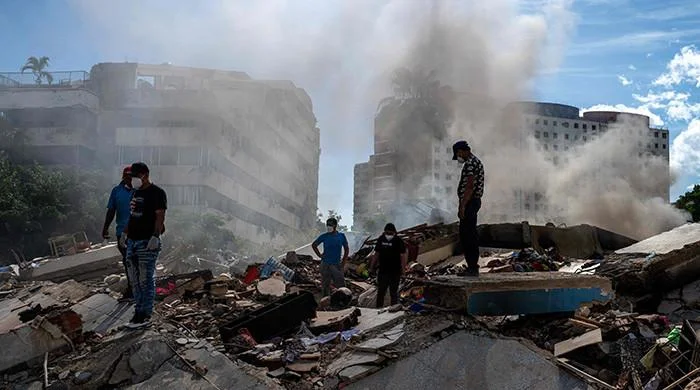

Venezuela is struggling to cope with the devastating impact of twin earthquakes that struck last Wednesday, leaving 1,719 people confirmed dead, 5,034 injured, and over 15,866 homeless. As rescue operations entered their fifth day, frustration is growing among residents in hard-hit areas over the slow pace of government aid and coordination.
In El Junquito, a mountainous area west of Caracas popular for weekend getaways, locals report minimal official presence. Residents like manicurist Keily Ibarra and shop owner Tony Abreu, now living in tents, are calling for faster debris removal, building inspections, and support for those affected. Many have turned to local farmers and neighbors for basic supplies after the commercial center was largely destroyed.
The disaster also claimed many lives at a hotel near Maiquetia Airport housing over 140 Venezuelan deportees from the United States, including children. International aid has arrived from 30 countries, bringing 1,000 metric tons of supplies, thousands of rescue workers, and search dogs. However, most assistance has concentrated in La Guaira state, the worst-affected region.
A 4.6-magnitude aftershock struck north of Caracas on Monday, adding to hundreds of tremors that continue to challenge rescue teams. In one remarkable story, 21-year-old Aaron Levi was rescued alive after 106 hours trapped under rubble in La Guaira.
Authorities have set up shelters and camps, but power outages continue to affect industrial areas. Despite this, officials say fuel supplies remain stable. Oil production and exports are operating normally.
Jorge Rodriguez, president of the National Assembly, urged citizens to rely only on official information and avoid rumors spreading on social media. Meanwhile, the US State Department reported three American citizens confirmed dead and 12 missing, with thousands of inquiries from concerned families.
As the search for survivors continues amid aftershocks, the earthquake has exposed deep challenges in a country already facing political and economic difficulties. The international community’s support offers hope, but many Venezuelans are demanding faster and more equitable help on the ground.