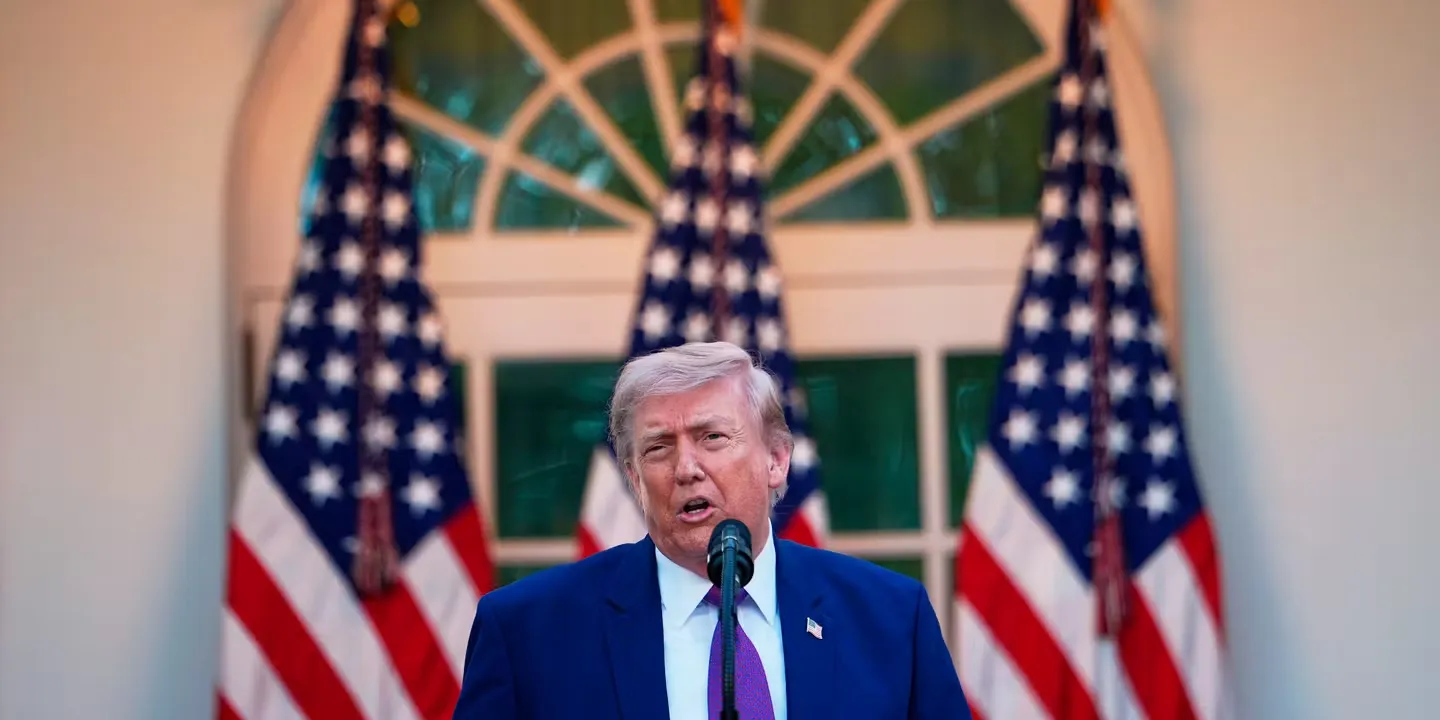

The fragile ceasefire between the United States and Iran is facing serious uncertainty after US President Donald Trump strongly rejected Tehran’s latest response to a proposed peace agreement. The conflict, which has continued for nearly ten weeks, has already caused thousands of deaths, damaged regional stability, and disrupted global oil supplies.
Speaking to reporters, Trump described Iran’s response as “garbage” and claimed he did not even finish reading it. He warned that the ceasefire is currently on “massive life support,” raising fears that military tensions could rise again in the Middle East.
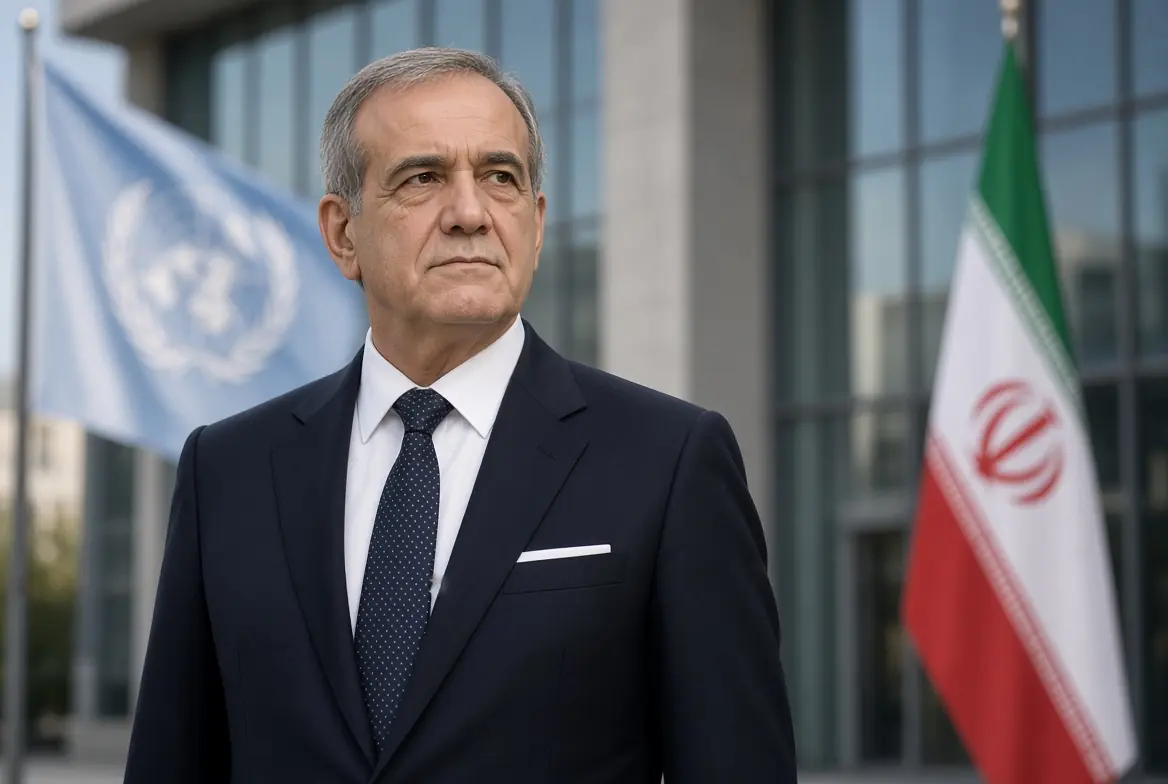
Iran’s response focused on several major demands, including an end to the war, lifting US sanctions, reopening Iranian oil exports, and removing naval restrictions near the Strait of Hormuz. Tehran also requested compensation for war damages and stressed its control over the key shipping route.
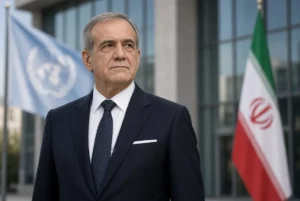
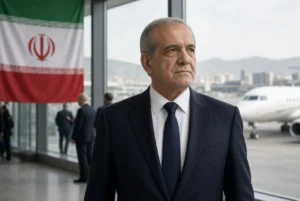
Iranian Foreign Ministry spokesperson Esmaeil Baghaei defended the demands, calling them “legitimate” and necessary for restoring peace and security in the region. He stated that Iran’s proposal also included guarantees for safe passage through the Strait of Hormuz and stability in Lebanon.
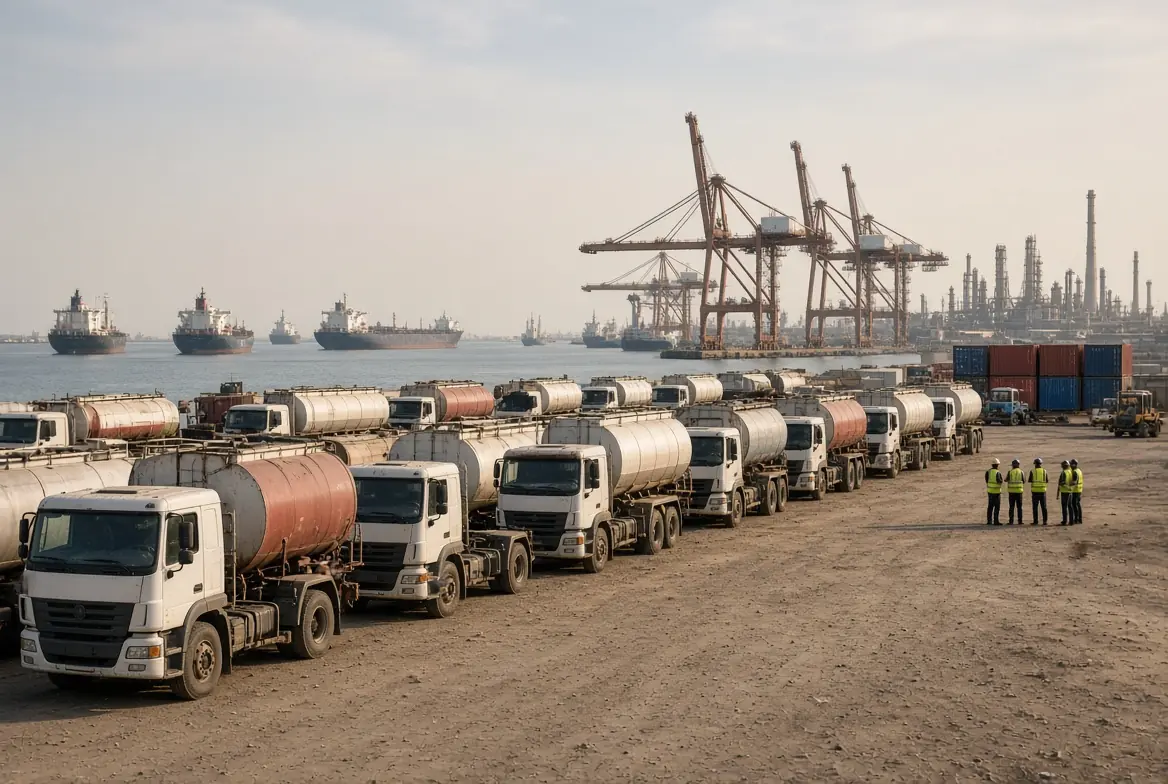
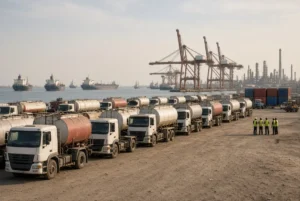
The ongoing deadlock has already impacted global energy markets. Brent crude oil prices rose sharply as shipping activity through the Strait of Hormuz slowed significantly. The waterway is one of the world’s most important oil routes, carrying nearly one fifth of global oil and gas supplies before the conflict began.
Meanwhile, diplomatic efforts continue behind the scenes. Turkish Foreign Minister Hakan Fidan is expected to hold talks in Qatar regarding regional security and maritime safety. Trump is also scheduled to visit Beijing, where discussions with Chinese President Xi Jinping may include the Iran crisis.
Israeli Prime Minister Benjamin Netanyahu said the conflict is not completely over and warned that more action may still be required regarding Iran’s nuclear activities and regional influence.