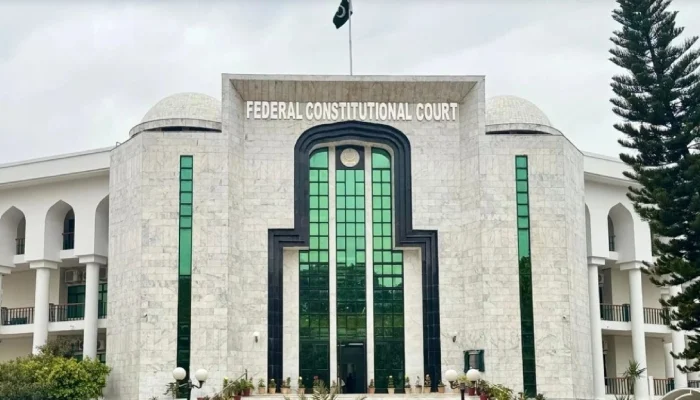

The Federal Constitutional Court (FCC) of Pakistan has delivered a landmark verdict, upholding the constitutional validity of the Super Tax on high-earning individuals and companies. This decision provides a major legal victory for the Federal Board of Revenue (FBR) and the federal government, solidifying the state’s power to collect additional revenue through sections 4B and 4C of the Income Tax Ordinance 2001.
In a comprehensive 300-page judgement, the court clarified that the Super Tax is essentially an additional income tax. It falls within the legislative competence of the Parliament under Entry 47 of the Federal Legislative List. The court dismissed several petitions filed by major corporations, including DG Khan Cement, ruling that there is no constitutional bar against double taxation when the legislature intends to implement such measures for national revenue.
However, the FCC provided significant relief for certain sectors. The court ruled that capital gains derived from the disposal of immovable property or securities are exempt from Super Tax if they are already exempt under existing tax laws. For example, if a property is held long enough to qualify for a tax exemption, it cannot be subjected to the Super Tax. This principle also extends to agricultural property, protecting farmers and landowners from additional federal tax burdens on the sale of land.
The financial impact of this ruling is substantial. FBR sources indicate that approximately Rs290 billion has already been collected in the first nine months of the current fiscal year. With the court’s backing, total collections are expected to reach Rs315 billion by June 2026. This judgement reinforces the doctrine of judicial restraint, emphasizing that the wisdom of taxation policy lies with the legislature rather than the courts. By validating these sections, the FCC has ensured a steady flow of revenue while maintaining clear boundaries for tax-exempt assets.