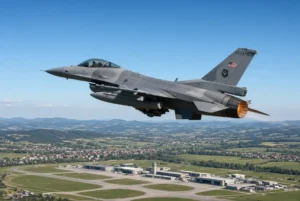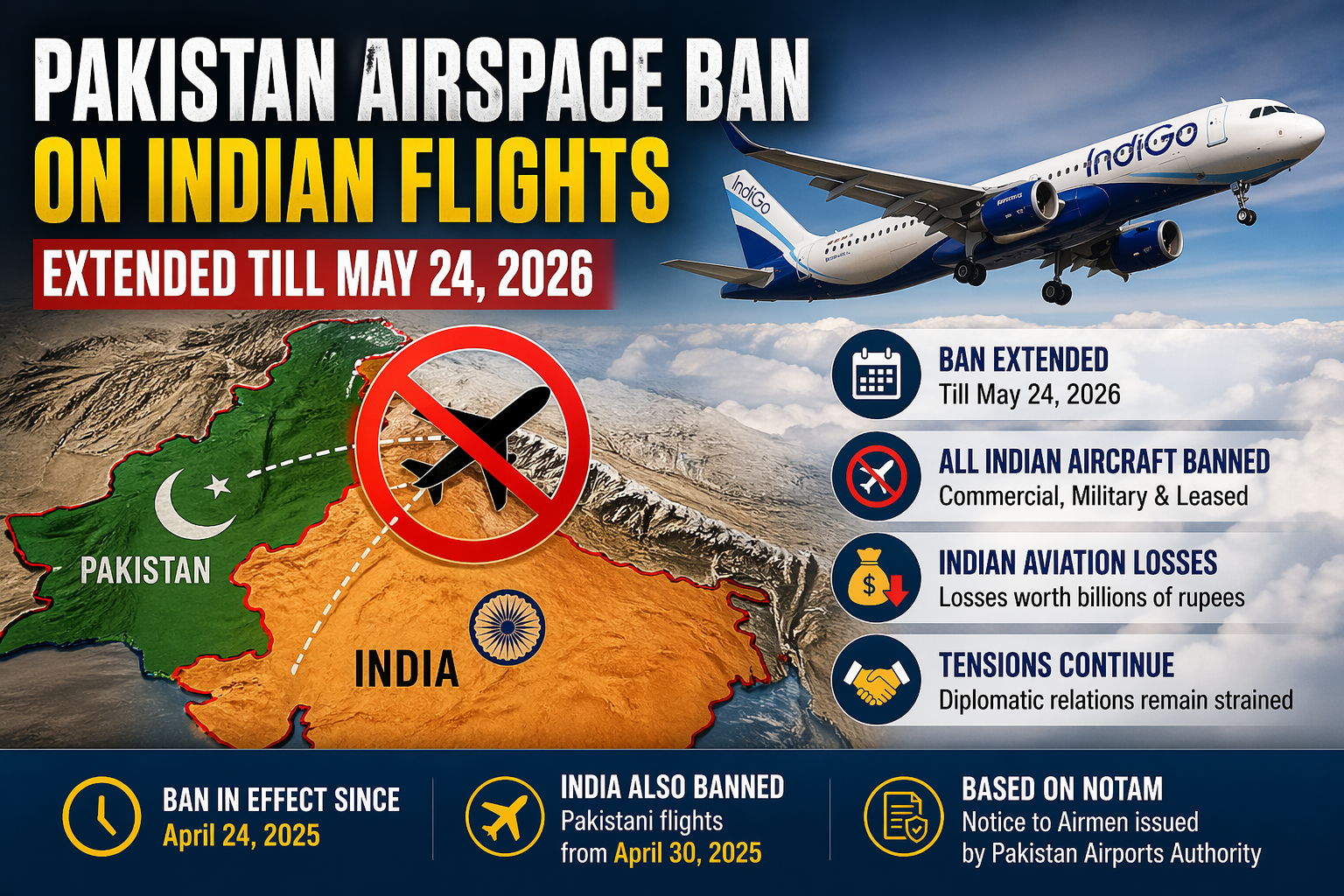

Pakistan’s decision to continue the airspace ban on Indian flights is nearing a full year, as authorities have officially extended the restriction until May 24, 2026. According to the latest Notice to Airmen, all Indian registered, leased, commercial, and military aircraft remain prohibited from entering Pakistani airspace. This ongoing restriction highlights the continued strain in Pakistan India relations.
The ban was first imposed on April 24, 2025, following escalating tensions between the two countries. The situation intensified after India suspended the Indus Water Treaty, a crucial agreement governing water sharing. Pakistan responded with strong diplomatic measures, including shutting its airspace to Indian carriers. Shortly after, India also restricted Pakistani aircraft from using its airspace, further deepening the standoff.
This prolonged restriction has caused significant disruption to Indian aviation, with airlines reportedly facing billions in financial losses. Longer flight routes, increased fuel costs, and operational challenges have heavily impacted Indian carriers. In contrast, the effect on Pakistan’s aviation sector has been relatively limited, as fewer routes depend on Indian airspace access.
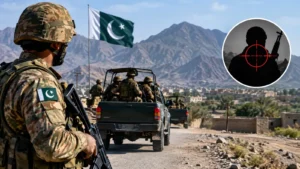
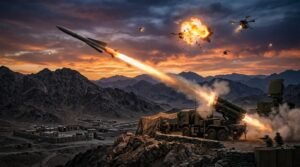
The tensions were further fueled by the Pahalgam attack, which India blamed on Pakistan, an allegation Islamabad strongly denied. Pakistan instead called for a transparent investigation. The situation escalated into a brief but intense military conflict in May 2025, where both sides engaged in cross border strikes before agreeing to a ceasefire.
Historically, Pakistan has taken similar measures during major conflicts, including the Kargil conflict of 1999 and the Pulwama crisis of 2019. In both cases, Indian airlines experienced greater disruption due to geographic disadvantages.
As the ban approaches its one year mark, it continues to reflect the fragile state of bilateral ties. The extension signals that regional tensions remain unresolved, and the aviation sector will likely continue to bear the economic consequences unless diplomatic progress is made.