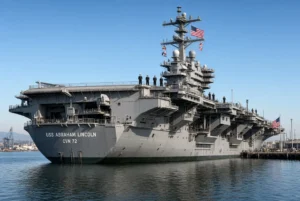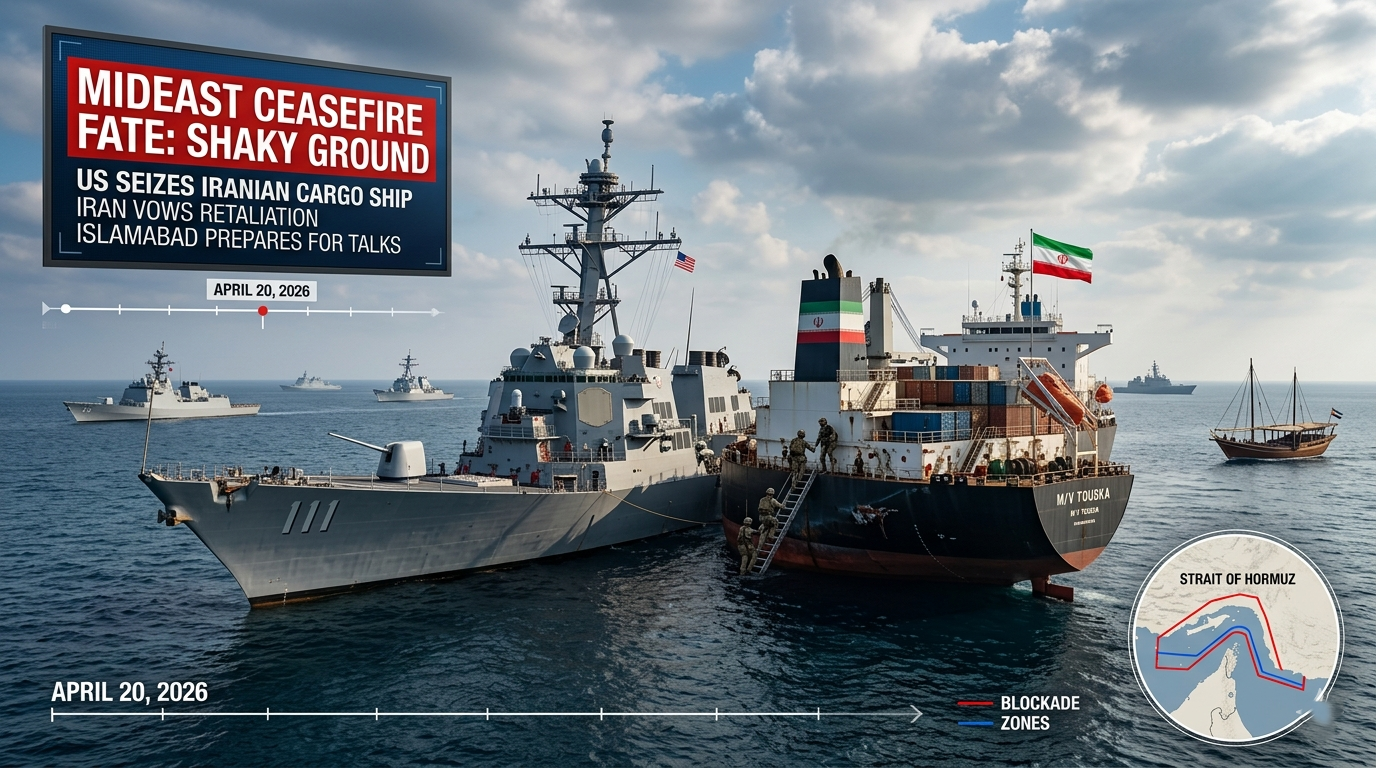

The fragile ceasefire between the United States and Iran is on the verge of collapse following the seizure of an Iranian-flagged cargo ship, the M/V Touska, by the US Navy in the North Arabian Sea. This bold move has sparked immediate threats of retaliation from Tehran, with Iranian officials labeling the interception “armed piracy.” As the two-week truce nears its expiration, the prospect of a permanent peace appears increasingly slim, sending shockwaves through global oil markets and stock exchanges.
The Strait of Hormuz, a vital artery for one-fifth of the world’s oil supply, remains the primary flashpoint. While the US maintains a strict blockade on Iranian ports, Iran has countered by threatening to permanently close the strait to all maritime traffic. In a stern warning, President Donald Trump asserted that the US has “full custody” of the seized vessel, which was reportedly traveling from China. In response, Iran’s First Vice President warned that the international community cannot expect “free security” while Iran’s oil exports are restricted, signaling a potential return to full-scale hostilities.
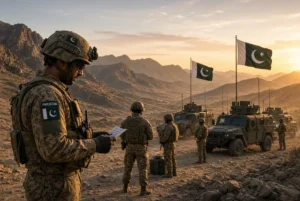
Amidst this escalating tension, Pakistan continues to act as the central mediator. Preparations are underway in Islamabad for a second round of peace talks, despite Tehran’s current refusal to participate. Massive security measures have been implemented in the capital, including the suspension of public transport and the deployment of barbed wire around the Serena Hotel. While US cargo planes have already landed with security equipment for the American delegation—reportedly led by Vice President JD Vance—the conflicting statements from Washington regarding the delegation’s lineup have added to the diplomatic uncertainty.
China has officially expressed deep concern over the “forced interception,” urging all parties to prioritize diplomacy and maintain the momentum of the ceasefire. As the war enters its eighth week, the humanitarian and economic toll continues to mount. European allies remain wary of a “superficial deal,” fearing that without addressing complex nuclear issues and maritime rights, the region remains one misstep away from a catastrophic escalation that could permanently disrupt the global energy supply.