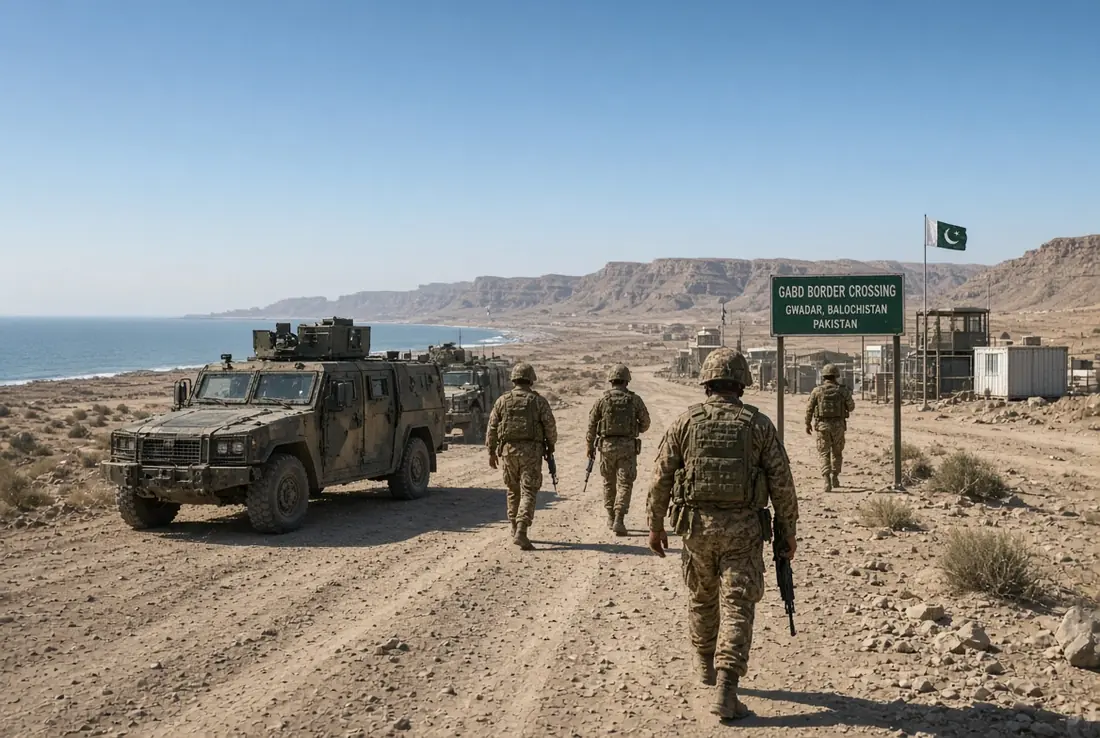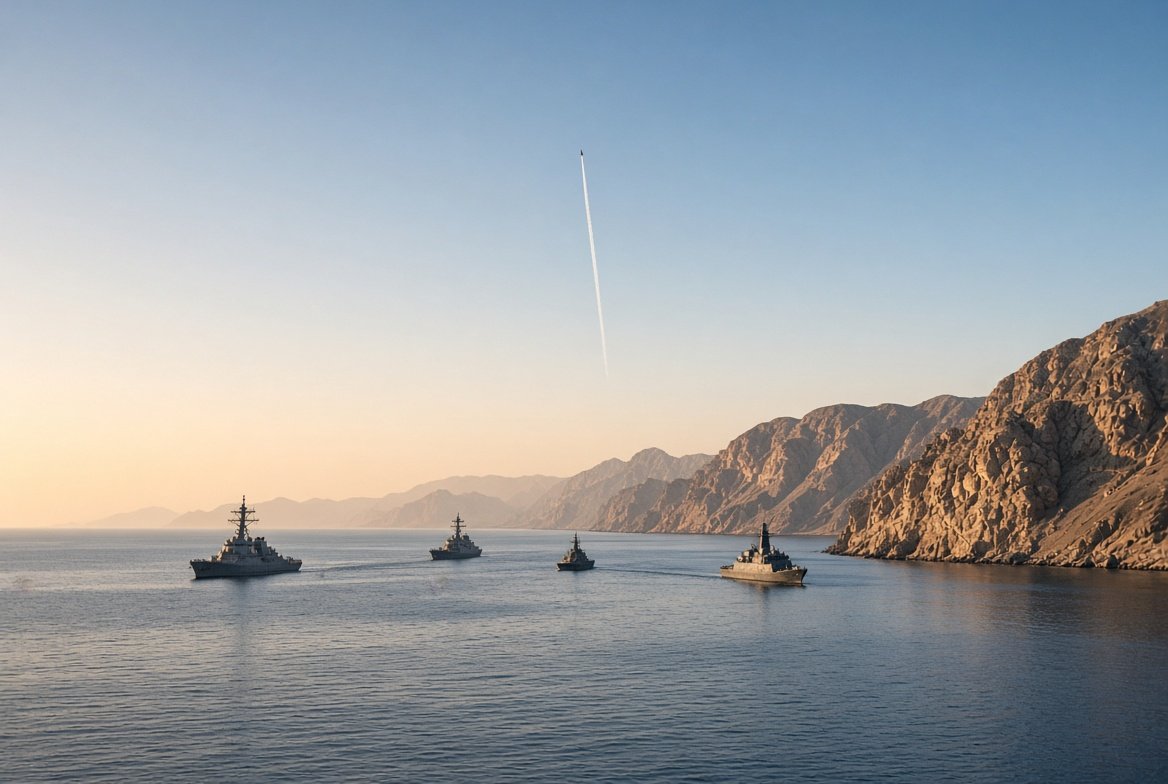

Iran has escalated tensions by threatening US warships with advanced missiles and announcing plans for a new restricted zone in the Gulf. Iranian officials warned of economic warfare while claiming they fired the Qassem Basir missile toward American vessels near the Strait of Hormuz. The move comes only days after both sides exchanged fresh attacks in the ongoing conflict that began earlier this year.
Mohsen Rezaei, secretary of Iran’s Supreme National Security Council, stated that Tehran will soon declare a maritime exclusion zone. This zone would start from the edge of the existing US blockade and stretch into parts of the Gulf. Any vessel entering the area risks being added to an Iranian sanctions list. On social media, Rezaei repeated the dual warning of economic pressure and military readiness, saying the operational approach toward US warships and bases has fundamentally changed.
Iranian media described the Qassem Basir as a modern ballistic missile with better manoeuvrability and resistance to electronic warfare. Reports claim it was previously used in combat against Israel. The US military responded that its warships successfully avoided any incoming missiles. Despite heavy American strikes that have weakened Iran’s conventional forces and damaged its economy, Tehran still holds enough missile and drone capacity to disrupt tanker traffic and threaten nearby US bases.
The Strait of Hormuz remains a critical chokepoint. Before the war, roughly one fifth of global oil and liquefied natural gas shipments passed through it. Shipping data now shows only about ten commodity vessels crossing each day on average, the lowest level in months. Iran continues to demand fees from ships using the waterway and seeks eventual sanctions relief.
US President Donald Trump has insisted that victory will bring lower oil prices and prevent Iran from obtaining a nuclear weapon. Yet the clerical leadership in Tehran remains in power and shows no sign of collapsing. Israeli strikes in southern Lebanon that killed at least twelve people on Monday have further complicated diplomacy, as Iran insists any lasting deal must also stop those attacks.
The cycle of pauses and flare-ups continues, with no clear path to a diplomatic breakthrough. Both sides appear prepared for more pressure, keeping global energy markets and regional security on edge.