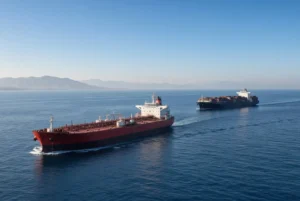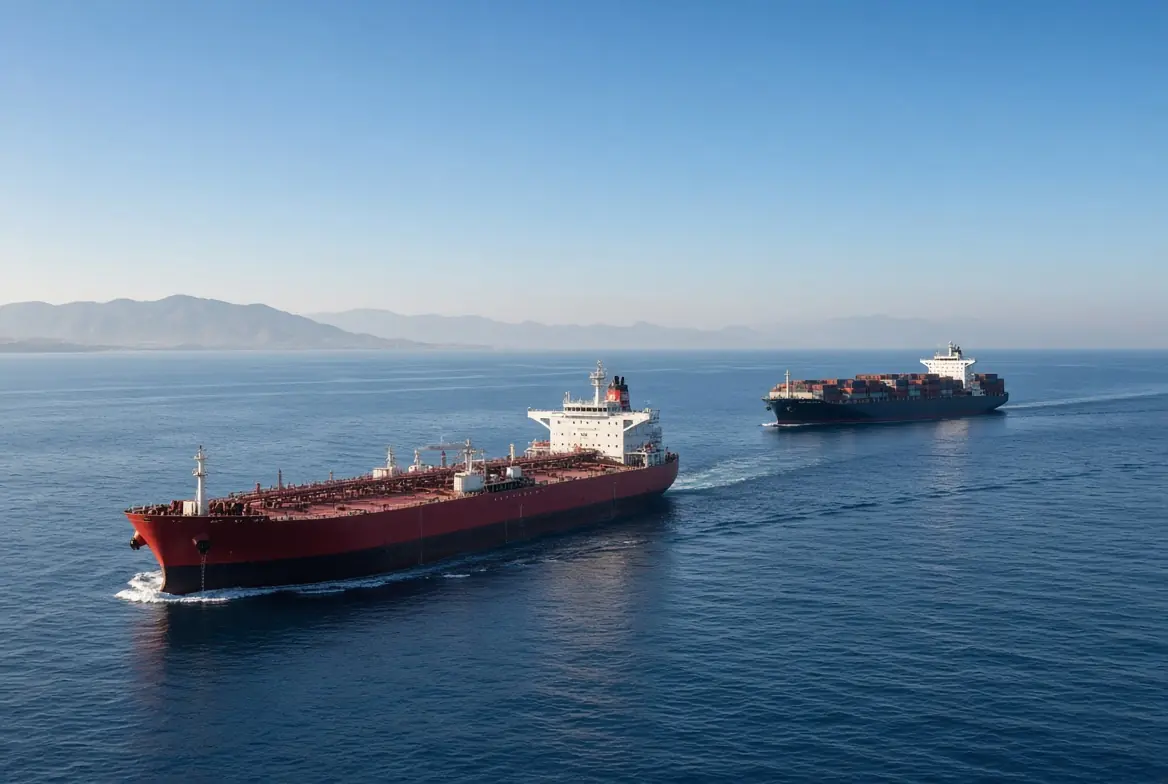

Iran has sharply raised tensions in the vital Strait of Hormuz by blacklisting 45 oil and gas tankers. The Persian Gulf Strait Authority, a new body created by Tehran, announced late on Sunday that these vessels violated its rules for crossing the waterway. Any ship caught transferring cargo with the listed tankers could face the same penalties.
According to the authority, the named vessels risk fines, detention, and confiscation of their cargoes. The restricted list covers very large crude carriers, liquefied natural gas ships, liquefied petroleum gas tankers, and clean product vessels. Several of the ships belong to major regional companies, including the United Arab Emirates’ ADNOC Logistics and Shipping, its subsidiary Navigate Tankers, and Saudi Arabia’s national carrier Bahri.
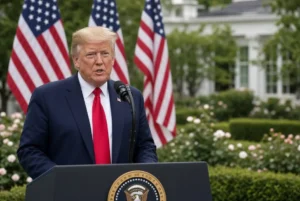
The warning arrived just days after the United States threatened Iran with what it called the toughest sanctions in history. Tehran responded by promising a “devastating” reply to any new American pressure. The move also comes six months into the ongoing conflict that has already disrupted shipping in the Gulf.
Iran has long insisted that ship owners must obtain its clearance to transit the strait and pay for security and other services. The latest announcement did not fully explain the specific rules that were broken, but it made clear that cargo owners should check an updated non-compliant vessels list before any Gulf-related voyages. Ships seeking removal from the blacklist must submit formal requests and explanations to Iranian maritime authorities.
The Gulf region supplied roughly 20 percent of the world’s daily crude oil and liquefied natural gas before the conflict began. Although traffic has been heavily disrupted, coordinated US efforts to move tankers through the strait have helped restore some export volumes. US Secretary of Energy Chris Wright recently noted that the seven-day average of oil leaving the strait exceeds eight million barrels a day, crediting the US Navy for keeping the flow moving.
Additional shipping firms named on the list include Klaveness Ship Management, Stolt Tankers, and South Korea’s Sinokor. None of the companies immediately responded to requests for comment. The blacklist also threatens any vessel involved in ship-to-ship transfers with the restricted tankers, widening the potential impact on global energy trade.
This latest escalation adds fresh uncertainty to an already fragile shipping corridor and underscores how the conflict continues to reshape maritime rules in one of the world’s most important energy chokepoints.