
A fresh Reuters/Ipsos survey reveals that American backing for military action against Iran has slipped to just 31 percent. This marks the weakest level of support since the early stages of the conflict. The four-day poll, which wrapped up on Monday, shows a clear drop from 37 percent in March and 34 percent earlier this month. The decline stems largely from fewer Republicans standing behind the effort. Only 69 percent of Republican respondents now favor the war, down from 77 percent in March.
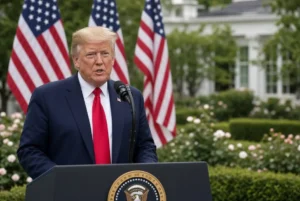
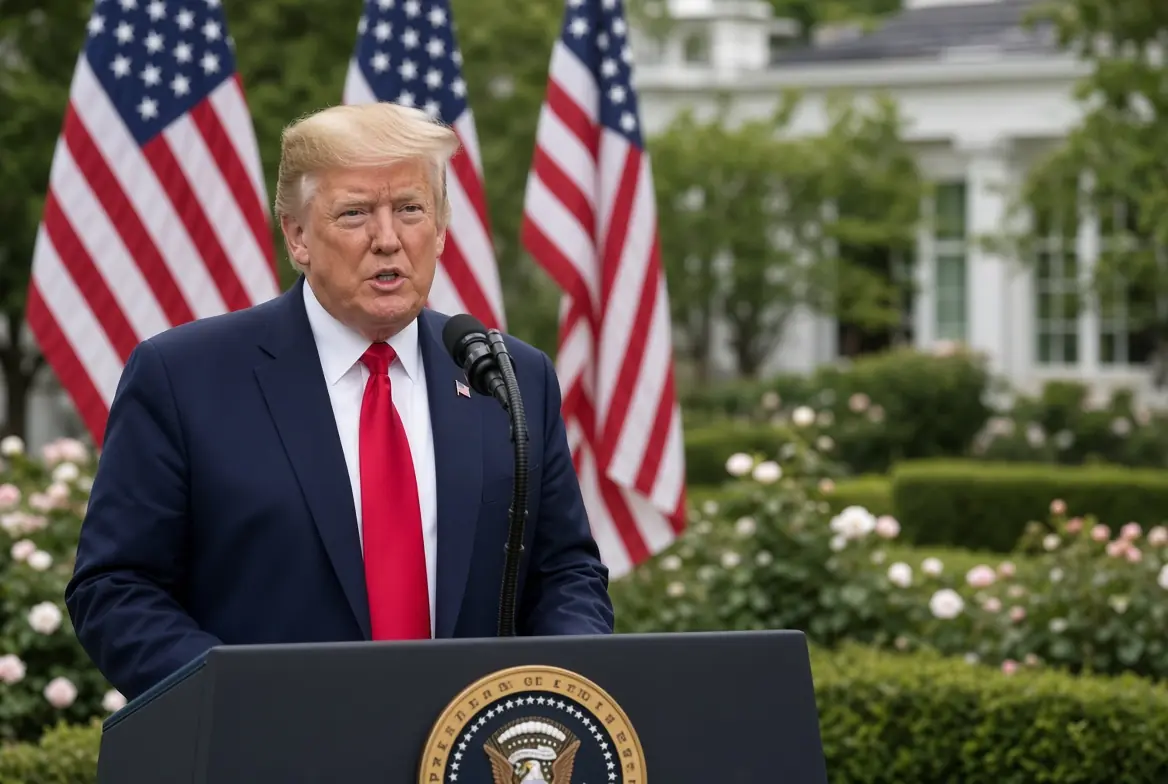
President Donald Trump has seen his own standing suffer as a result. For the second survey in a row, just 33 percent of Americans approve of his performance in the White House. That figure ranks as the lowest recorded in Reuters/Ipsos polling during either of his terms. The ongoing conflict continues to weigh on his popularity this year.
Trump has repeatedly told the public that the war, which began with combined US and Israeli strikes on Iran on February 28, remains essential to stop Tehran from building a nuclear weapon. Fighting has slowed in recent months, yet Iran maintains a de facto blockade on regional oil exports. This restriction has driven US gasoline prices close to record highs, adding pressure on households and the administration alike.
The president has promised to increase economic pressure on Iran. Treasury Secretary Scott Bessent recently floated the idea of broader sanctions on nations that continue doing business with the country. However, he stopped short of enacting new penalties, highlighting how complicated the situation has become for the White House.
Concerns about a drawn-out conflict run deep. Fully 83 percent of Americans believe the war will last for an extended period, up slightly from 80 percent earlier this month. Trump had campaigned in 2024 on pledges to curb inflation and steer clear of long military engagements. Six months into this fight, gasoline prices sit more than a dollar higher per gallon than before the strikes began. That reality is creating challenges for Republican lawmakers who must defend slim congressional majorities in the November 3 midterm elections.
Independent voters in the poll currently lean toward Democrats by a 33 percent to 19 percent margin when asked about congressional preferences if the election were held today. The survey reached 1,215 US adults nationwide and carries a margin of error of plus or minus 3 percentage points.
These numbers paint a picture of growing public fatigue with both the conflict and the leadership guiding it. As costs rise and the prospect of a quick resolution fades, the political costs for the administration continue to mount.