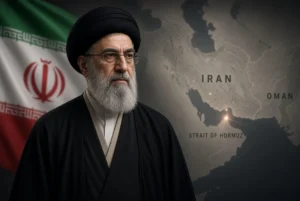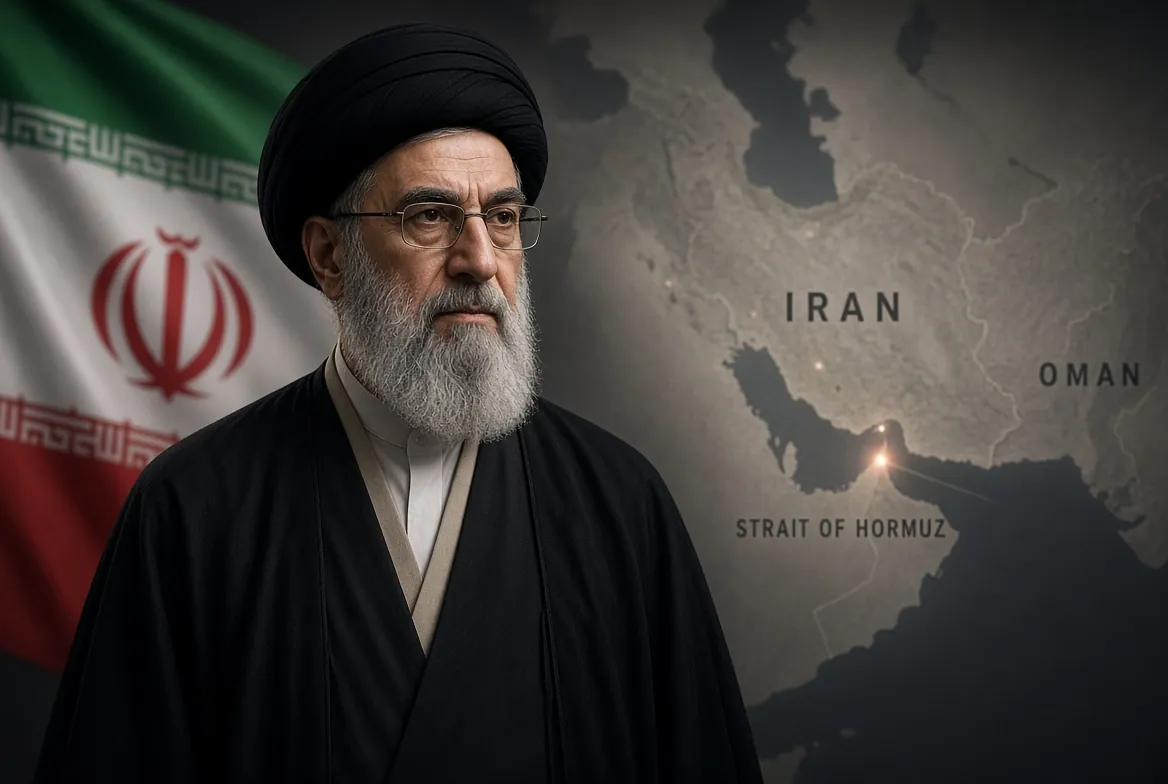

Iran’s supreme leader has issued a clear warning that any fresh American military action would expand the conflict across the Middle East. Mojtaba Khamenei dismissed expectations that recent midterm election results in the United States might soften Washington’s stance toward Tehran.
President Donald Trump’s Republicans lost control of Congress, a setback many linked partly to public frustration over the ongoing confrontation with Iran. Energy prices rose and living costs increased, making the war unpopular with American voters. Trump himself acknowledged that the Iran issue played a role in the electoral defeat, yet he insisted his decisions remained important.
In a written message, Khamenei stated that those hoping partisan changes or concessions could alter US hostility toward Iran are mistaken. He stressed that further American strikes would widen the scope of the war without offering additional details. The supreme leader has not appeared in public since assuming power in March after his father was killed in earlier US-Israeli attacks, communicating only through written statements.
Iran’s chief negotiator, Mohammad Bagher Ghalibaf, said American voters clearly rejected war. He warned that any betrayal of that public will would bring severe consequences. Judiciary chief Gholamhossein Mohseni Ejei described Trump as defeated both militarily and politically.
On Tuesday the United States carried out strikes on Qeshm Island in the Strait of Hormuz. Iranian media reported multiple explosions. Trump called the action a minor attack aimed at an anti-aircraft facility. Iran’s Revolutionary Guards claimed they intercepted and destroyed a US MQ-1 drone over the island, though Washington offered no confirmation.
Trump has mentioned remaining targets such as Pickaxe Mountain, a site Tehran denies is linked to nuclear activity. At the same time he told the Financial Times that a full return to large-scale fighting may not be necessary, adding that US forces remain locked and loaded.
Diplomatic channels stay open. Iranian President Masoud Pezeshkian said the government received new authority from the supreme leader to discuss previously restricted issues. Qatar continues mediating and expressed hope for an interim understanding, while China also urged both sides to avoid renewed hostilities. The conflict, which began with major US and Israeli strikes in February, has remained largely stalled for months as both sides weigh the risks of escalation.