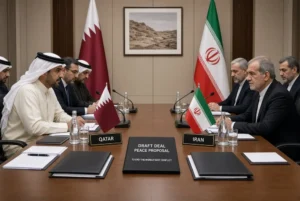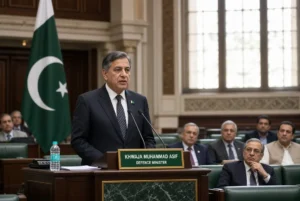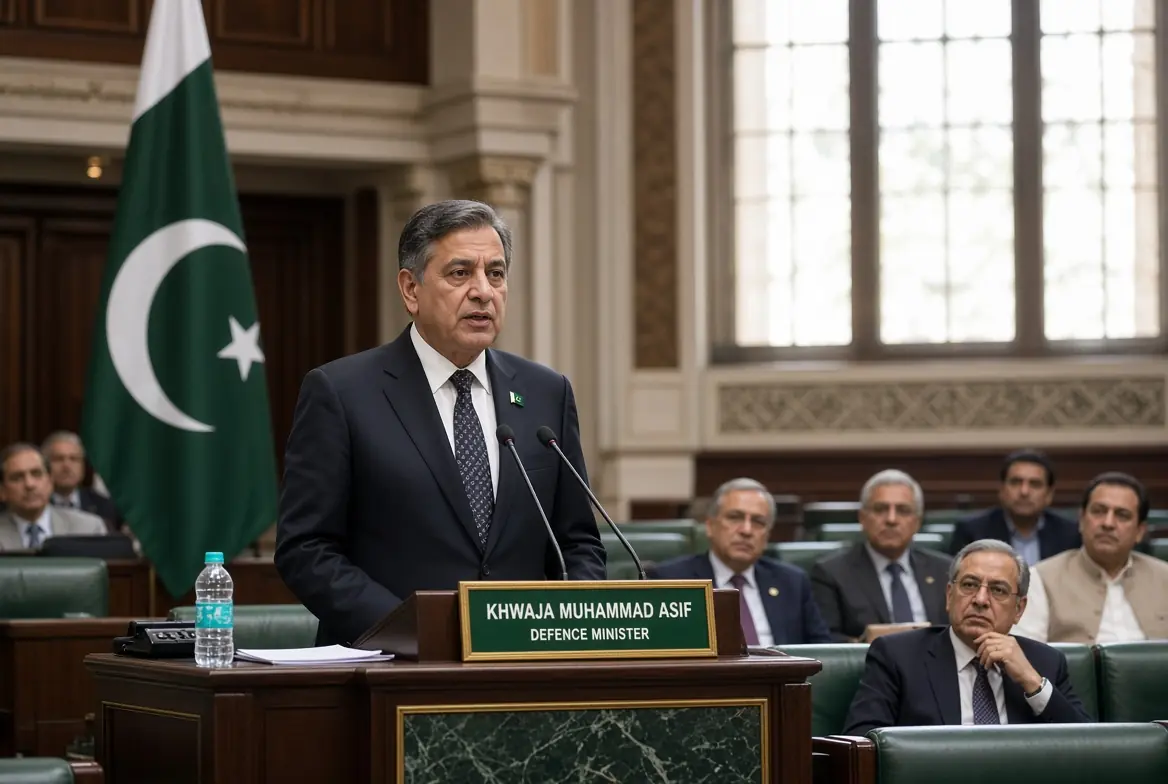

Defence Minister Khawaja Asif clarified that no defence pact was discussed during recent talks in Tehran. He stressed that the meetings had nothing to do with Pakistan’s defence matters or any formal agreement involving the Ministry of Defence.
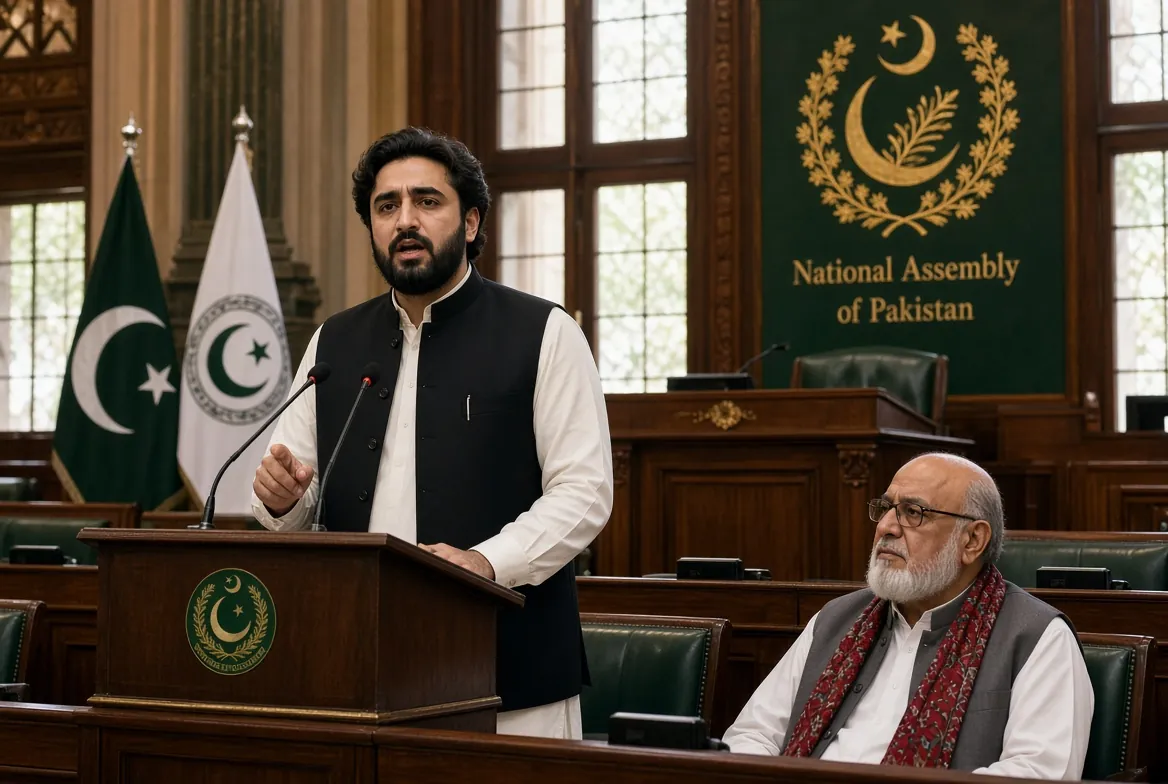
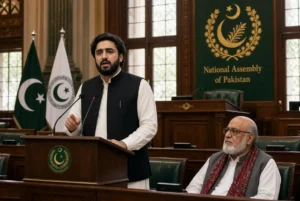
Speaking in the National Assembly, Asif responded to earlier comments by JUI-F chief Maulana Fazlur Rehman. He explained that his own presence in Tehran was not required because the agenda stayed outside defence issues. Instead, Field Marshal Asim Munir, who serves as Chief of Defence Forces and Chief of Army Staff, travelled there as a messenger of peace.
Asif said the Field Marshal helped stop a potential war and reduced risks linked to the conflict in Yemen. He called for the international community to recognise Pakistan’s positive role and the efforts made by CDF Munir in promoting stability. The minister also expressed hope that further constructive developments would appear in the Middle East soon.
He reminded the house that he had personally taken part in two recent defence agreements, making a clear distinction between those deals and the discussions held in Tehran. Asif described Munir’s visit as focused entirely on peace-building rather than military arrangements.
Turning to political matters, the defence minister recalled that Fazl had earlier worked with the government as part of the Pakistan Democratic Movement. They had jointly moved a no-confidence motion in the past. Asif criticised the way Fazl became opposition leader, calling it the result of political understanding. He also questioned Fazl’s performance as chairman of the Kashmir committee over many years.
Asif openly admitted mistakes on his own side. He said political compromises made to gain power were wrong and that remaining in opposition would have brought more dignity. Forming coalitions with certain figures, he added, left the government open to constant pressure and what he described as blackmail.
The minister made it clear that political opponents are free to criticise the government on many issues. However, he asked them not to target Pakistan’s foreign and defence policies. Criticism, he noted, often appears only when certain politicians fail to secure a share of power and stays quiet when they do receive it.
Asif’s remarks underline Pakistan’s preference for diplomacy and peace efforts in the region while firmly rejecting claims of any defence deal in Tehran.