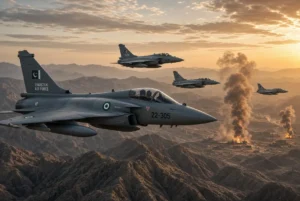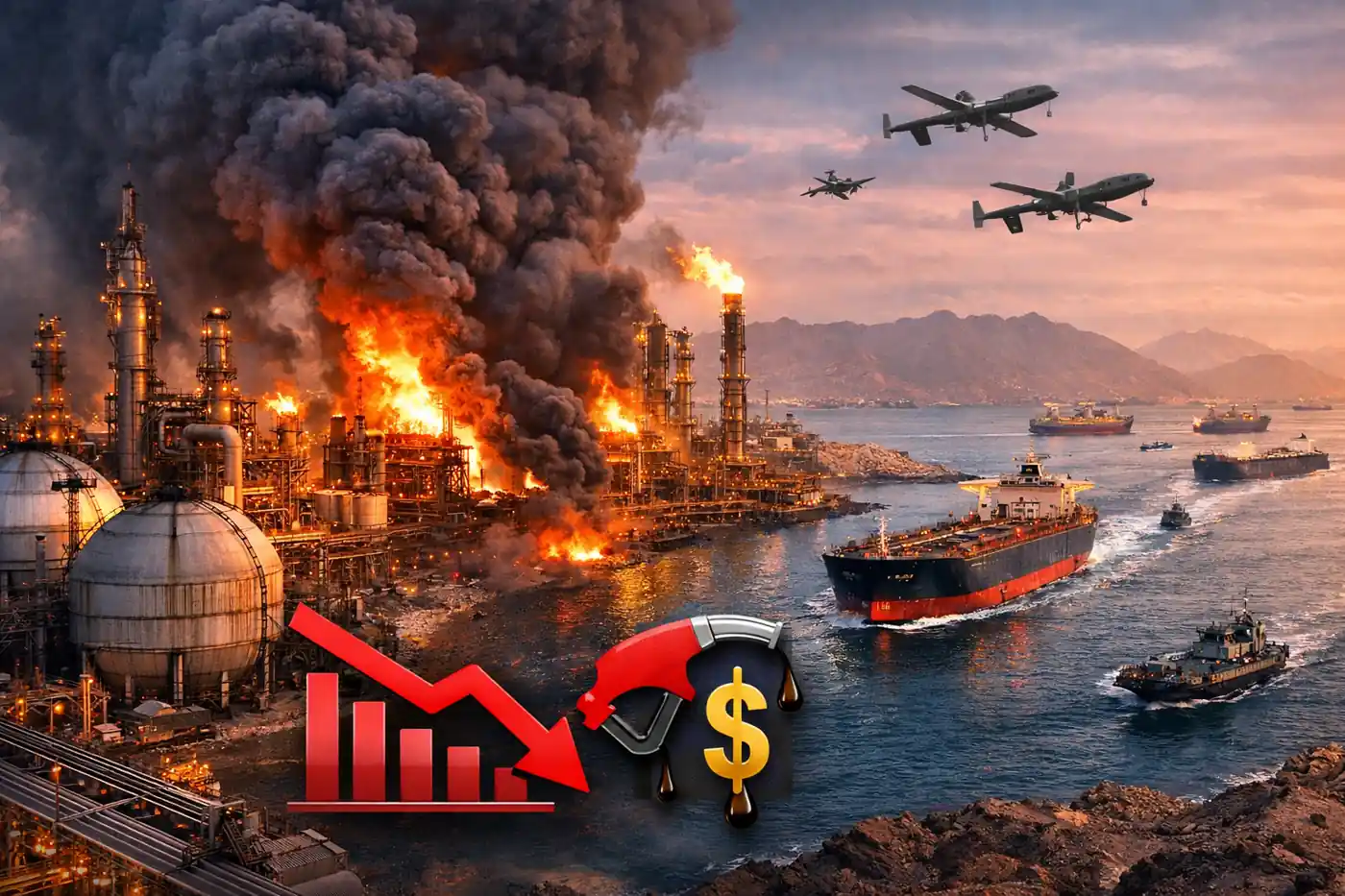

The Middle East energy crisis is expected to have long-lasting effects, with recovery taking up to two years, according to International Energy Agency chief Fatih Birol. The ongoing regional conflict has disrupted oil and gas production, creating serious concerns about global supply stability.
Birol explained that the recovery timeline will differ across countries. For example, Iraq may take longer to restore its production capacity compared to Saudi Arabia, which has relatively stronger infrastructure. However, overall energy output in the Middle East is unlikely to return to pre-conflict levels before two years.
A major concern highlighted by the IEA is the potential prolonged closure of the Strait of Hormuz, a critical global shipping route for oil and gas. According to Birol, the market is underestimating the impact of this disruption. While shipments that were already in transit before the conflict began have reached their destinations, the real issue lies in the absence of new supply.
He noted that during March, no new oil or gas tankers were loaded, especially for Asian markets, which heavily depend on Middle Eastern energy. This supply gap is now starting to become visible, raising the risk of significantly higher energy prices in the coming months.
The situation could worsen if the Strait of Hormuz remains closed, as it would restrict one of the most vital energy corridors in the world. In response, the IEA is prepared to act if needed. Birol confirmed that releasing emergency oil reserves is under consideration, although the agency has not yet reached that stage.
This evolving crisis highlights the fragile nature of global energy systems and the heavy dependence on the Middle East. Investors, governments, and industries must now prepare for potential volatility, rising costs, and longer-term supply challenges as the situation develops