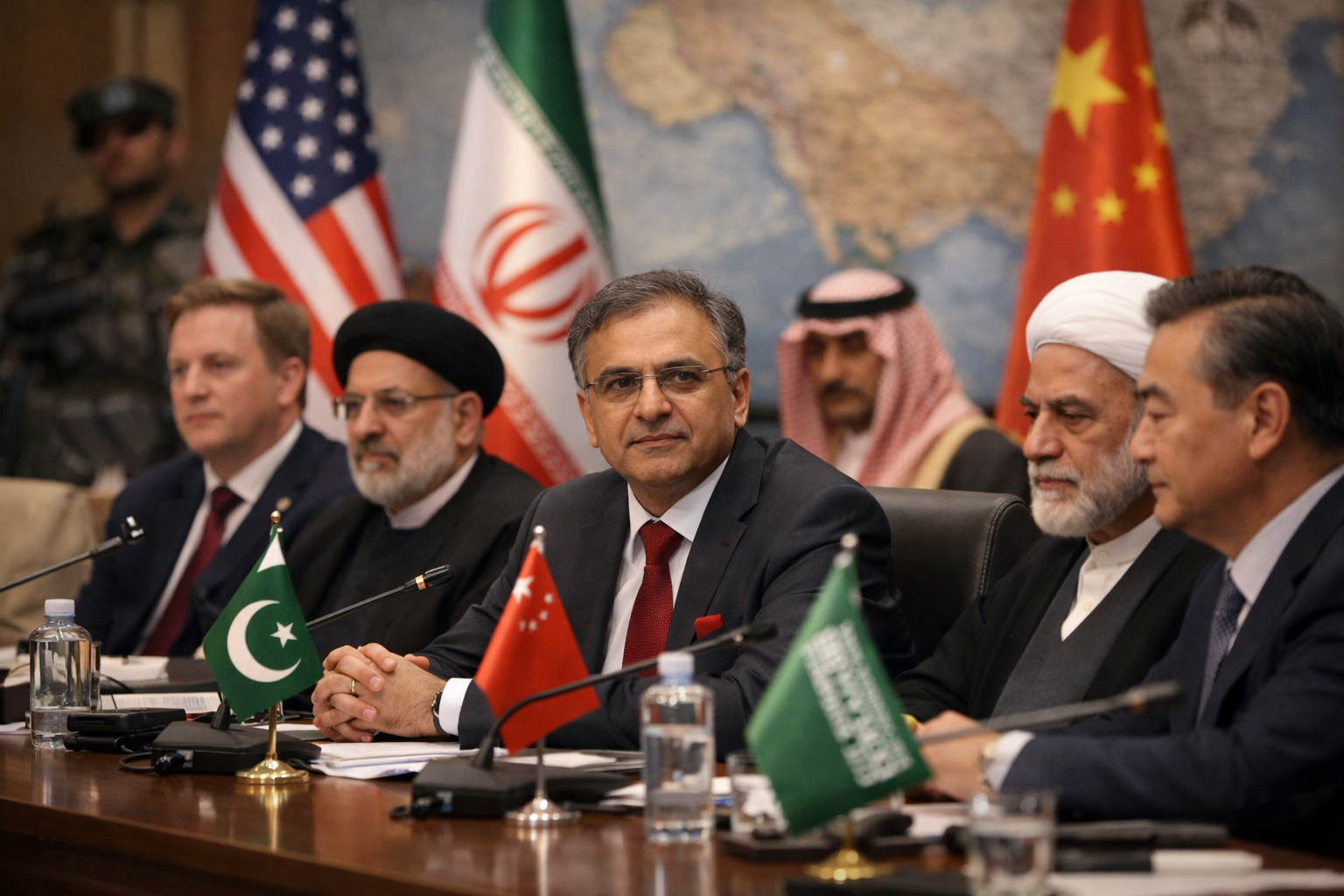

Pakistan has intensified its diplomatic efforts by maintaining close contact with the United States and other global partners, aiming to reduce tensions in the Middle East and encourage meaningful dialogue. According to Foreign Office spokesperson Tahir Andrabi, Islamabad is committed to creating a conducive environment for de-escalation and negotiations among all stakeholders.
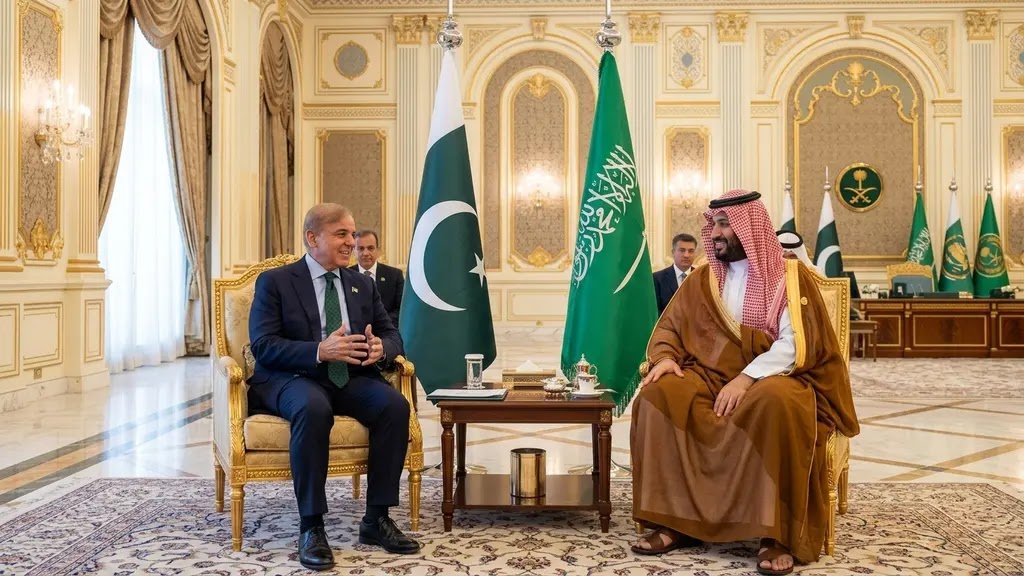
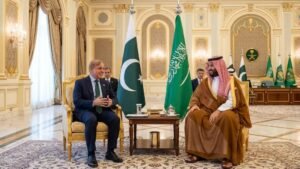
The ongoing conflict, which erupted on February 28 between the US, Israel, and Iran, has disrupted the region and triggered global economic challenges. Iran’s blockade of oil and gas shipments through the Strait of Hormuz has worsened the situation, impacting international markets. In response, Pakistan has stepped forward as a facilitator, hosting regional ministers from Saudi Arabia, Turkiye, and Egypt, and relaying messages between Washington and Tehran.
Both Iran and the United States have expressed confidence in Pakistan’s role, appreciating its neutral mediation. Andrabi emphasized that Pakistan is not exerting pressure on any party but is instead promoting dialogue and diplomacy. He clarified that discussions involving multiple countries should not be misinterpreted as alliances, but rather as cooperative consultations to advance shared interests.
Highlighting Pakistan’s broader outreach, Andrabi referred to Deputy Prime Minister Ishaq Dar’s visit to China, where a joint five-point peace plan was presented. This initiative has gained recognition at both regional and global levels, aligning with earlier communiqués issued in Islamabad. Pakistan’s efforts are being seen as a significant step toward achieving ceasefire, reducing tensions, and ensuring sustainable peace.
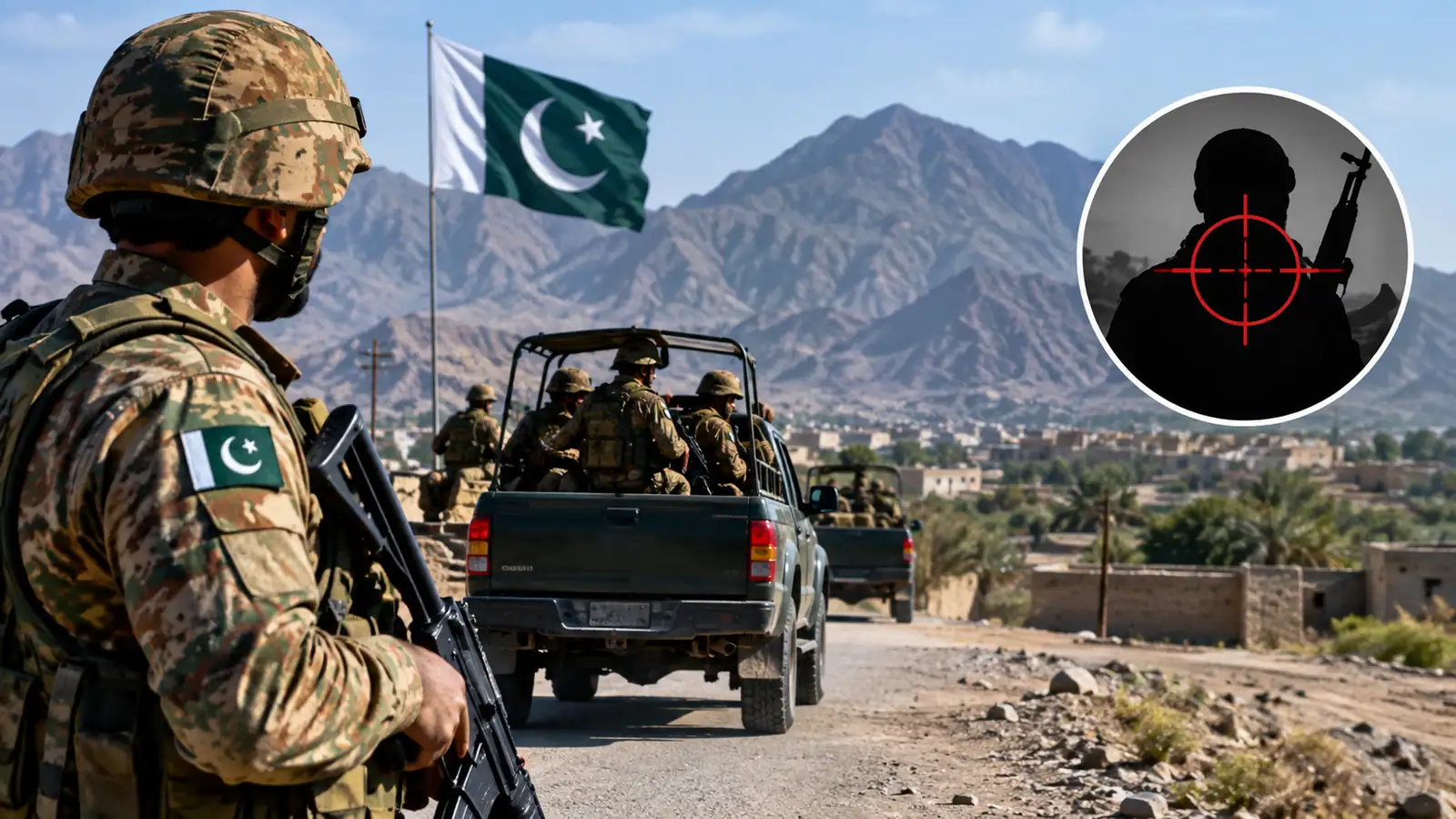
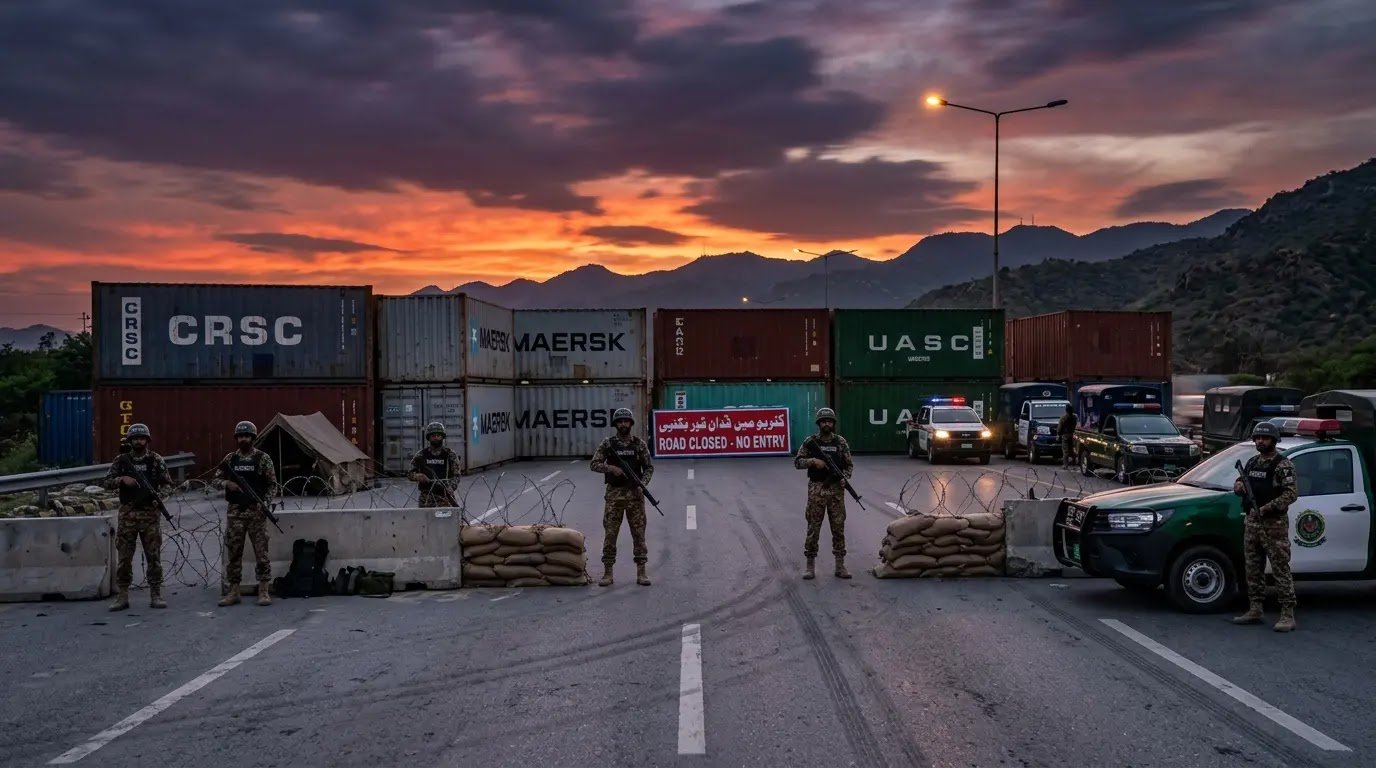
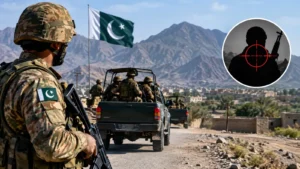
In addition, Pakistan has dispatched a delegation to Urumqi, China, for talks with Afghanistan, underscoring its commitment to regional stability. Despite ongoing military operations against extremists, Andrabi stressed that Pakistan’s peace initiatives remain unaffected. He also criticized India’s sectarian stance, warning that attempts to divide communities could prove harmful for both countries.
Through these diplomatic moves, Pakistan continues to position itself as a key player in promoting regional peace and stability, earning recognition from global leaders and institutions.