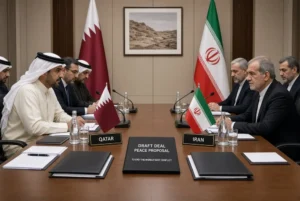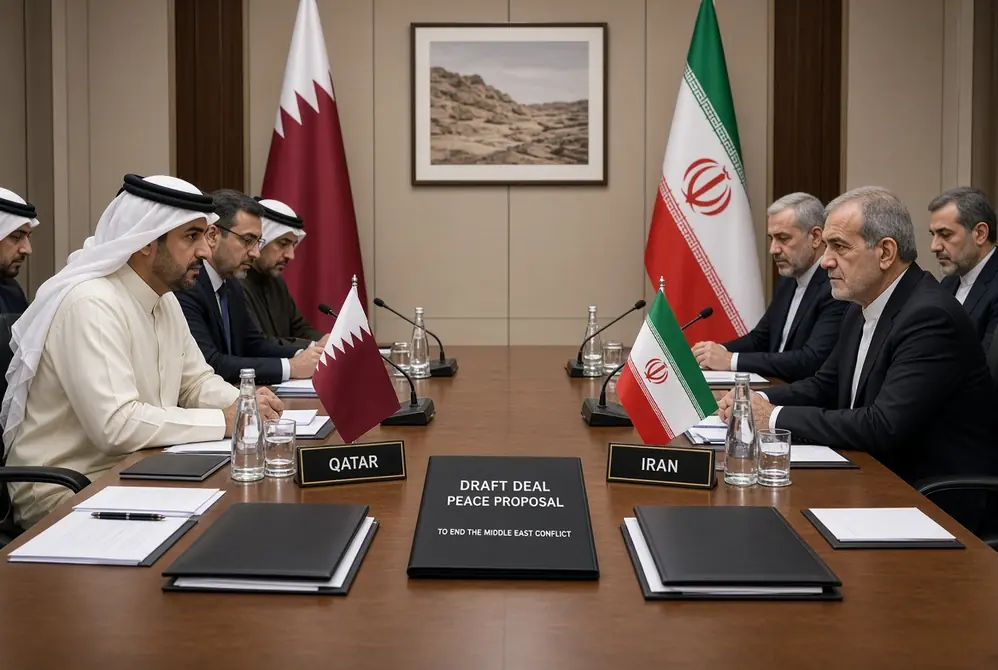

Qatar has presented Iran with a new draft proposal aimed at ending the ongoing war in the Middle East, but Tehran has already rejected the ideas as unacceptable. The development comes as mediators continue efforts to stop a conflict that has disrupted global oil supplies and shipping routes for eight months.
According to an official briefed on the talks, Qatari mediators delivered the new draft on Sunday. The proposal includes a seven-day timeline filled with daily confidence-building measures that both sides would need to follow. Several countries would act as guarantors if the plan moves forward. A response from Tehran is expected before the end of the week.
However, a senior Iranian official involved in the negotiations quickly pushed back. He said Qatar had only shared “unacceptable ideas” and not a real offer. Iran’s position on its nuclear programme remains firm, with no room for flexibility on that issue. Iranian Foreign Minister Abbas Araqchi confirmed that Tehran is still in contact with intermediaries and continues to support its own earlier seven-day plan to end the war.
The core disagreement remains clear. The United States wants Iran’s nuclear programme included in any talks from the start. Iran, on the other hand, demands that the US first end the blockade of its ports and lift oil sanctions. Tehran also rejects Western claims that its nuclear work has a military purpose.
The conflict, which began in late February, has already spread beyond its original borders. Recent attacks by Yemen’s Houthi forces on Saudi Arabia, including a strike on the major Ras Tanura oil refinery, have raised fresh fears about energy supplies. Oil prices climbed above $115 per barrel after the latest incident. Fighting near the Bab el-Mandeb Strait has added further pressure on global shipping.
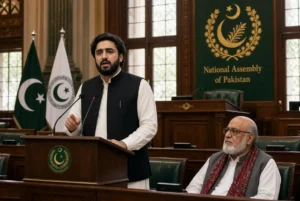
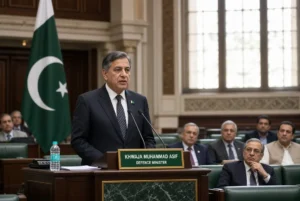
Earlier mediation efforts produced a short-lived interim agreement in June, but it quickly collapsed. Now Qatar and Pakistan are leading fresh attempts to bring both sides back to the table. Officials from Saudi Arabia, Turkey, and Pakistan also met Iranian representatives in Tehran this week as part of wider de-escalation talks.
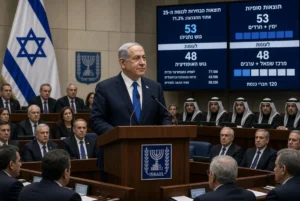
Concerns remain high that the situation could worsen. Israeli Prime Minister Benjamin Netanyahu faces domestic political pressure, while US President Donald Trump has repeated threats of new strikes. Iranian officials have warned they are prepared to target undersea cables in the Gulf if attacks resume.
Despite the setbacks, both sides say they are still open to diplomacy. Whether the latest Qatar Iran deal ideas can bridge the gap remains uncertain, but the coming days will be critical for the region’s stability and the global energy market.