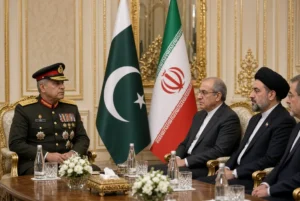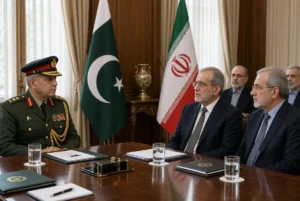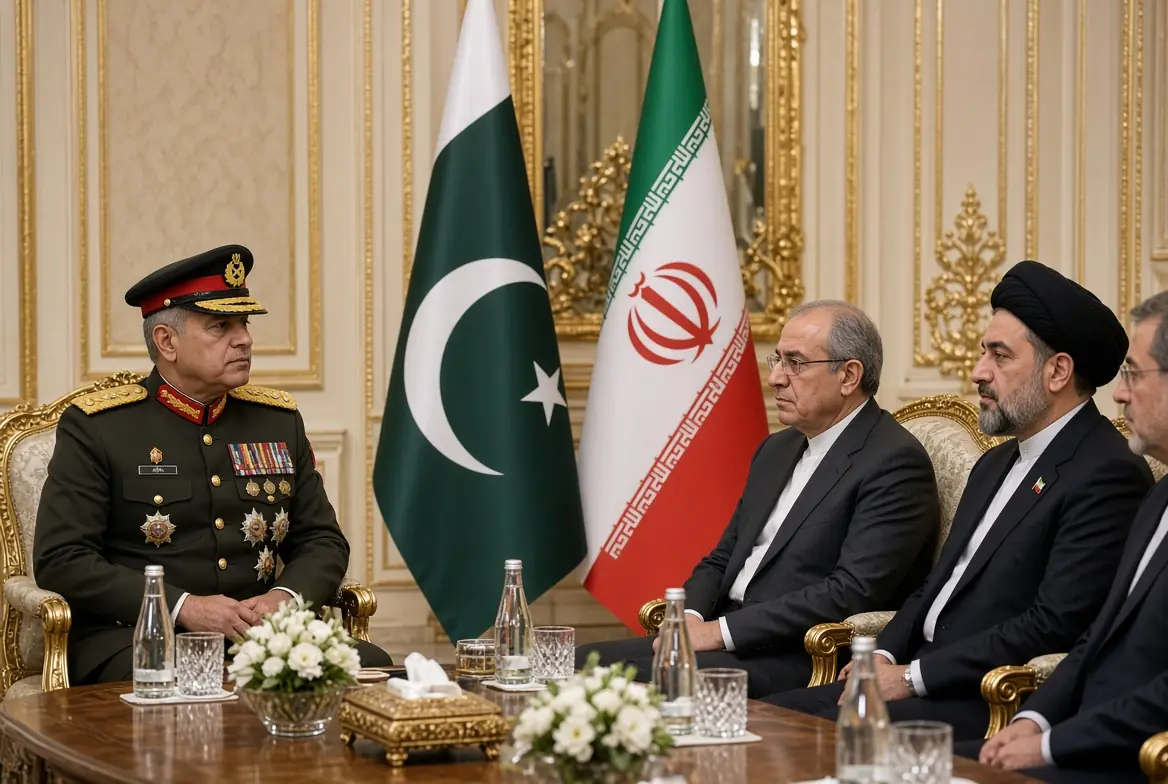

Pakistan’s Chief of Defence Forces and Army Chief Field Marshal Asim Munir is scheduled to arrive in Tehran on Monday. The high-level visit comes as the United States prepares what it calls the greatest financial offensive ever launched against Iran, and Tehran warns it may halt all oil exports from the Gulf.
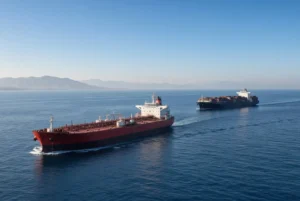
US Treasury Secretary Scott Bessent is set to announce new measures at a press conference on Monday. In a recent opinion piece, he described the coming steps as an economic D-Day targeting countries that continue to engage with Iran’s financial system. Iran has responded with strong statements. Mohsen Rezaei, secretary of Iran’s Supreme National Security Council, declared that if the economic war continues, not a single drop of oil will leave the Strait of Hormuz or any part of the Persian Gulf.
Pakistani sources confirmed that Munir’s talks will cover peace efforts under Islamabad’s earlier memorandum of understanding, Donald Trump’s latest sanctions warning, and regional developments including the Pakistan-Turkiye-Saudi Arabia agreement. The Shehbaz Sharif government previously helped broker a two-week ceasefire in April that paused six weeks of fighting. Pakistan continues to pass messages between Washington and Tehran.
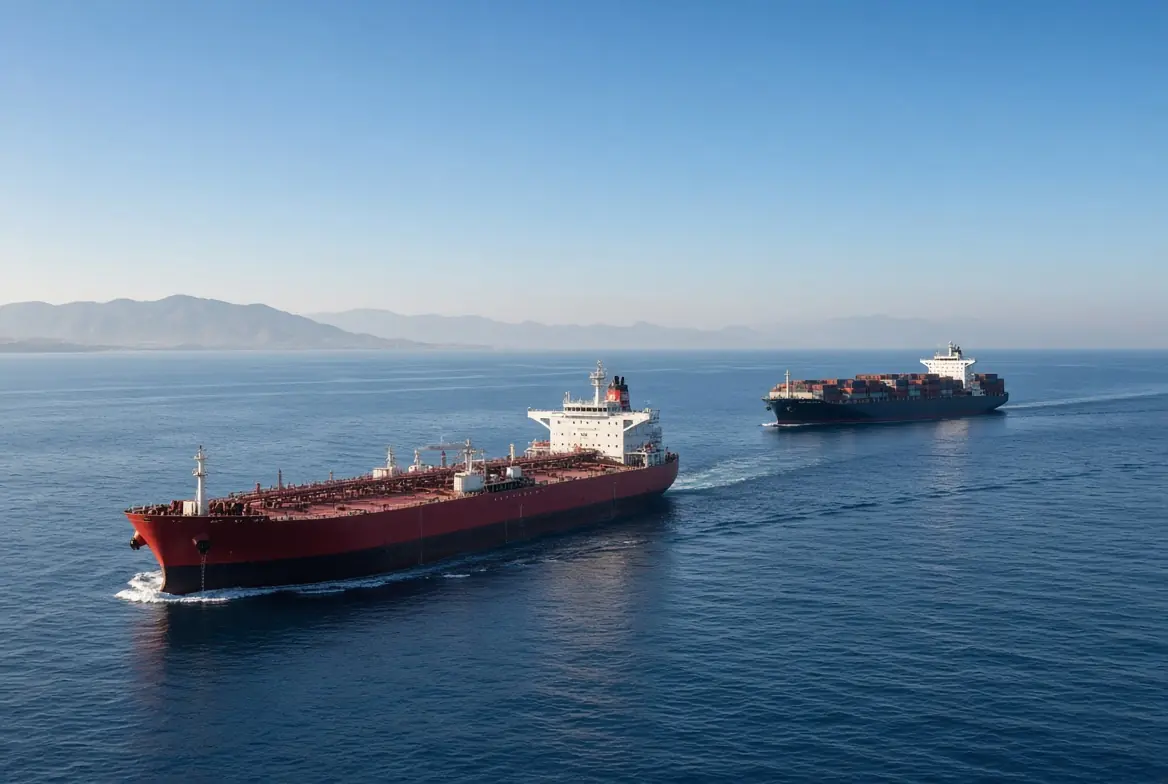
The conflict, which began with US and Israeli strikes on February 28, has already caused thousands of deaths and heavily damaged Iran’s military and economic infrastructure. Iran has retained enough missile and drone capacity to threaten Gulf shipping, which has kept oil prices elevated and tanker traffic disrupted.
China, which receives a large share of its oil from the Gulf, has urged diplomacy instead of further pressure. Iranian officials have also warned that deeper economic pain could spark unrest and weaken the government’s standing at home. Iran entered the war already facing high inflation, a weak currency, energy shortages, and long-standing sanctions.
With no direct talks between the United States and Iran since June, countries such as Pakistan, Qatar, and Turkiye have stepped in to keep diplomatic channels open. Munir’s visit is the latest attempt to ease tensions at a moment when both sides are exchanging sharp threats over oil and finance.
The outcome of the Tehran meetings could influence whether the region edges closer to further escalation or finds a path back toward stability.