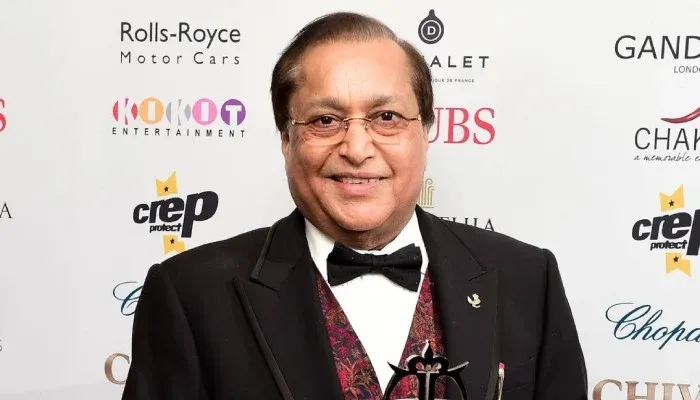

Pakistan-born Sikh Tory peer Lord Rami Ranger has launched legal proceedings against UK Prime Minister Keir Starmer, challenging the decision that led to the removal of his Commander of the Order of the British Empire (CBE) honour. The case has sparked debate about freedom of expression, public accountability, and the UK’s honours system.
Born in Gujranwala, Pakistan, the 78-year-old businessman received the prestigious CBE in 2016 in recognition of his contributions to business development and community cohesion. However, the honour was later revoked following findings that some of his social media activity breached the House of Lords Code of Conduct.
Lord Ranger argues that the decision to strip him of the honour was excessive and unfair. He maintains that he has become a target of what he describes as cancel culture, claiming that the punishment was disproportionate to the allegations against him. The official cancellation of his CBE was announced in the London Gazette in December 2024 after approval from King Charles III.
The controversy stems from several incidents, including allegations involving Indian journalist Poonam Joshi and a series of online posts in which Lord Ranger criticized Khalistan supporters and made remarks that attracted widespread criticism. The Forfeiture Committee, which reviews honours-related matters, reportedly concluded that his actions brought the honours system into disrepute.
During a hearing at the High Court in London, Lord Ranger’s legal team argued that the committee relied on claims and assumptions that were never properly presented to him. His lawyers further stated that the decision-making process was flawed and violated his right to freedom of speech.
Representing the Cabinet Office, government lawyers defended the decision, arguing that honours forfeiture is based on moral, ethical, and political considerations that are not suitable for judicial review. They urged the court to dismiss the challenge, maintaining that the process was conducted appropriately.
The outcome of the case could have significant implications for how honours forfeiture decisions are reviewed and how freedom of expression is balanced against public conduct in the United Kingdom.