
The United States is reportedly preparing to significantly reduce the military assets it contributes to NATO operations in Europe, a move that could reshape the alliance’s defense strategy and place greater responsibility on European member states.
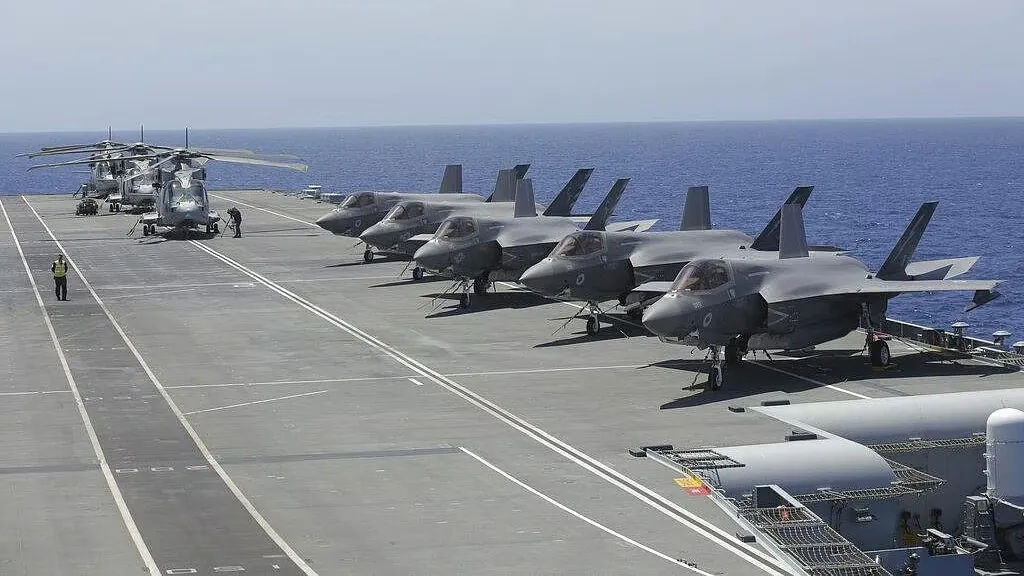
According to recent reports, Washington plans to reduce the number of fighter jets deployed to Europe by approximately one-third. The proposal also includes the withdrawal of all eight aerial refueling tankers currently assigned to NATO missions and a reduction in maritime surveillance aircraft used for reconnaissance operations across the region.
Additional military assets expected to be reassigned include a missile-launching submarine, an aircraft carrier, bomber aircraft, and several warships and combat jets. The reported changes come at a time when European nations are increasing defense spending and strengthening military capabilities following Russia’s invasion of Ukraine in 2022.
The shift reflects a broader strategy within the United States military that encourages European allies to take a larger role in defending the continent. American military officials have argued that Europe has become overly dependent on US military support and should develop stronger independent defense capabilities.
President Donald Trump has repeatedly criticized NATO members for relying too heavily on Washington while failing to meet defense spending commitments. His administration has pushed alliance members to invest more heavily in their armed forces and contribute a greater share of collective security costs.
The reported reductions have sparked discussion among defense analysts about the future balance of power within NATO. While the alliance remains committed to the principle of collective defense, changes in US force deployments could accelerate efforts by European countries to expand their own military readiness and strategic autonomy.
Despite the proposed reductions, US officials continue to stress their commitment to NATO. The upcoming NATO summit in July is expected to focus heavily on burden-sharing, future defense planning, and the alliance’s long-term response to security challenges posed by Russia and other global threats.
If implemented, these changes would represent one of the most significant adjustments to US military support for NATO in recent years and could influence European defense policy for decades.