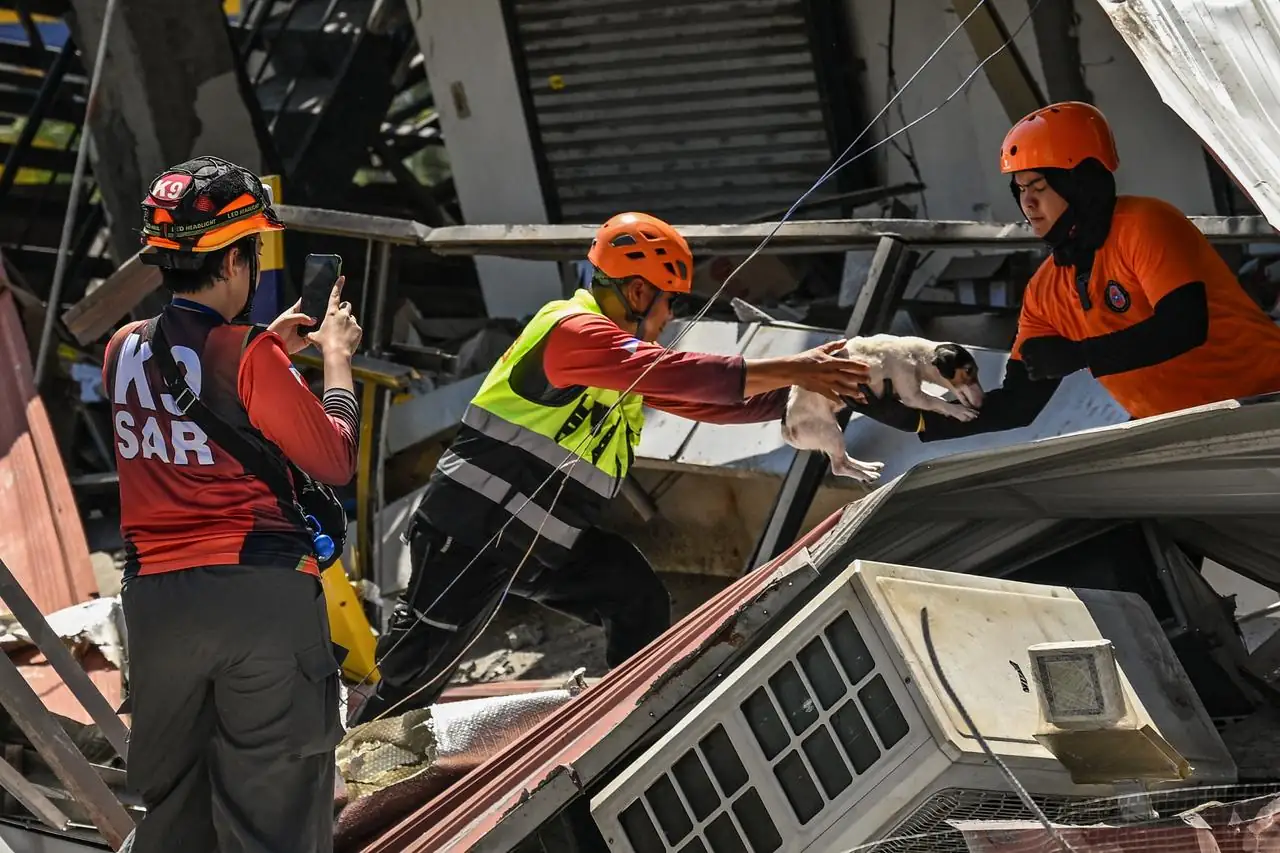

The death toll from the devastating Philippines Earthquake has climbed to 55, while rescue teams continue searching for missing people across the southern island of Mindanao. However, ongoing aftershocks and heavy rainfall are making recovery efforts increasingly difficult.
The powerful 7.8 magnitude earthquake struck off the coast of Mindanao earlier this week, causing widespread destruction in several communities. Buildings collapsed, roads were blocked by landslides, and thousands of residents were left without access to essential services. The disaster also triggered tsunami warnings across parts of the region, creating further concern among local populations.
According to the latest government figures, 31 people remain missing, and authorities are still receiving updated reports from affected areas. Rescue workers have been working around the clock to locate survivors and clear debris, but difficult weather conditions continue to slow progress.
In Sarangani Province, one of the hardest hit areas, emergency teams have managed to reopen several major roads that were blocked by landslides. Despite this progress, many remote communities remain isolated and without electricity. Helicopters are being used to deliver food, drinking water, and emergency supplies to residents cut off from normal transportation routes.
Local disaster management officials said frequent aftershocks have forced rescue teams to pause operations at times due to safety concerns. Heavy rain has also increased the risk of additional landslides, making search efforts even more challenging.
While authorities continue searching for those still missing, hopes of finding survivors are fading as more time passes since the earthquake struck. Recovery teams are now focusing on reaching all affected communities and assisting families impacted by the tragedy.
Philippine President Ferdinand Marcos Jr. recently visited damaged areas, including schools and aid distribution centers. During his visit, he announced government support for rebuilding efforts and pledged funding to restore damaged public infrastructure.
As rescue operations continue, communities across Mindanao are beginning the long process of recovery while mourning the lives lost in one of the country’s deadliest natural disasters in recent years.