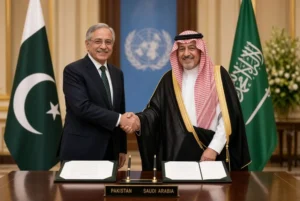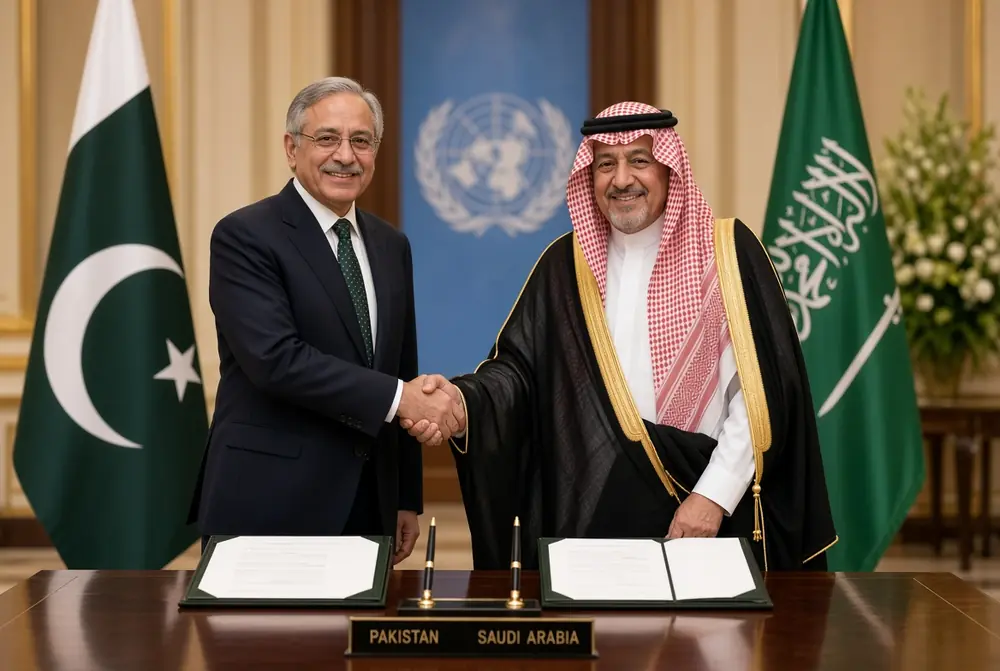

Visa waiver agreement between Pakistan and Saudi Arabia was signed on Tuesday, allowing holders of diplomatic and official passports from both countries to travel without needing a visa. The deal aims to make high-level contacts and institutional exchanges smoother and faster.
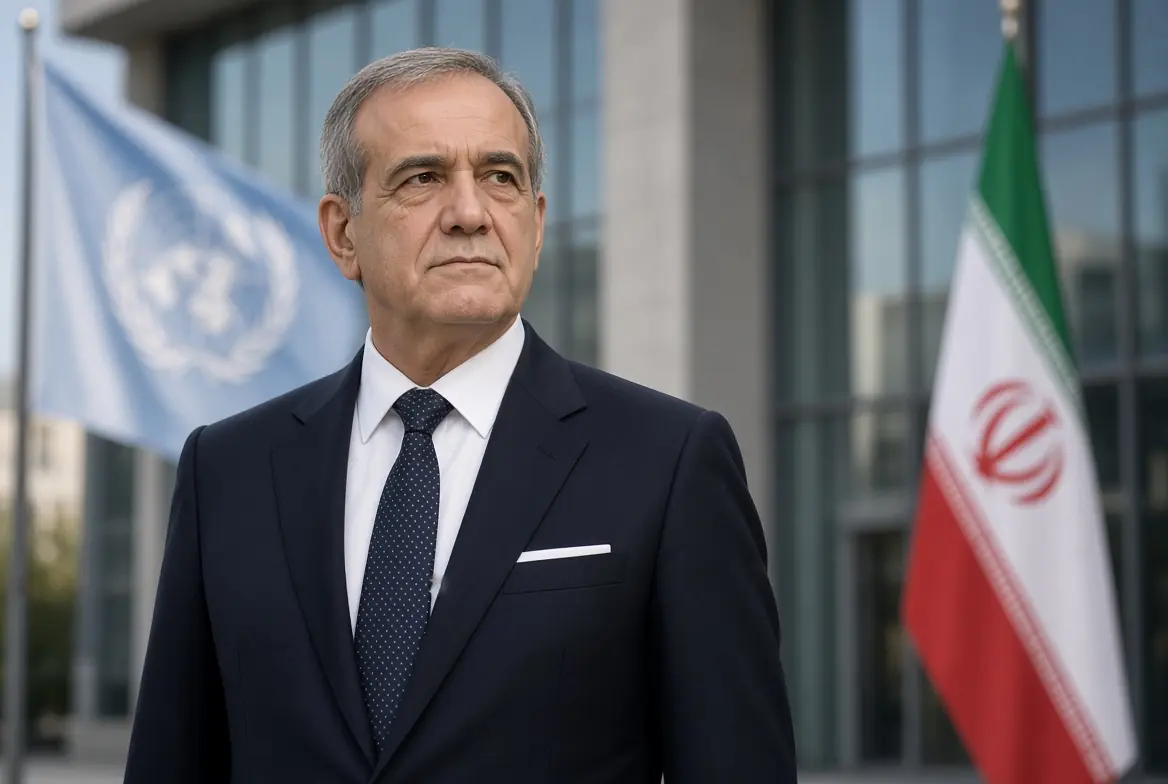
Deputy Prime Minister and Foreign Minister Ishaq Dar and Saudi Foreign Minister Prince Faisal bin Farhan signed the document in New York on the sidelines of the 2026 United Nations General Assembly session. Dar shared the news on X, expressing satisfaction at the step and describing it as an important move to strengthen the long-standing brotherly and strategic partnership between the two nations.
Under the new arrangement, Pakistani citizens carrying diplomatic or official passports can enter Saudi Arabia without applying for a visa, and the same facility will apply in the reverse direction. Officials expect the change to improve coordination between government institutions and support more frequent high-level visits.
This visa waiver agreement forms part of a broader effort to deepen ties over the past year. Last month Prime Minister Shehbaz Sharif met a high-level Saudi business delegation and expressed the desire to turn the economic relationship into a mutually beneficial strategic partnership. The Saudi side showed interest in investment opportunities in agriculture, ports, highways, airports, real estate, energy and information technology.
Security and defence cooperation has also grown stronger. Pakistan, Saudi Arabia and Turkiye signed the Makkah Joint Defence Agreement in August, creating a framework for collective security. The Strategic Political and Defence Committee under that pact held its first meeting in Istanbul at the end of August and agreed to institutionalise cooperation.
The latest step on visas is expected to make official travel easier and further encourage regular engagement between the two governments. Both sides view the move as a practical contribution to their enduring partnership across political, economic and strategic areas.