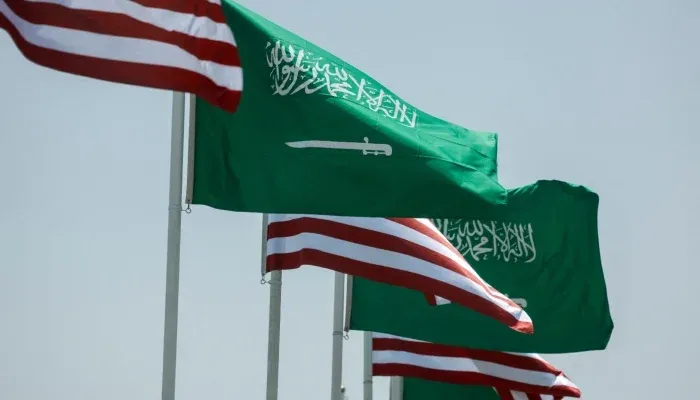

The United States and Saudi Arabia have signed a historic civil nuclear agreement that marks a major step in energy cooperation between the two countries. The deal allows Saudi Arabia to develop nuclear power reactors using American technology while also permitting the kingdom to enrich uranium and reprocess nuclear waste, two activities that have drawn international attention because they could potentially be used in the development of nuclear weapons.
The agreement, officially known as a 123 Agreement, was signed by US Energy Secretary Chris Wright and Saudi Energy Minister Prince Abdulaziz bin Salman. The pact has been under discussion for years through multiple US administrations but had previously failed to reach completion due to concerns about nuclear proliferation and regional security.
Supporters of the agreement argue that the partnership will strengthen the long standing relationship between the two nations while helping Saudi Arabia diversify its energy sector beyond oil. The US government also says the agreement complies with the US Atomic Energy Act, which contains strict safeguards designed to prevent the spread of nuclear weapons technology. Officials added that if the United States had not reached an agreement, Saudi Arabia could have pursued similar partnerships with China or Russia, where nuclear cooperation standards differ.
However, the agreement has sparked criticism from non proliferation experts and several members of Congress. Unlike earlier proposals discussed during previous administrations, the new deal does not require Saudi Arabia to adopt the IAEA Additional Protocol, which allows international inspectors to conduct surprise inspections of nuclear facilities. Critics believe this omission could reduce oversight and increase regional security concerns.
The agreement will now be reviewed by Congress, where lawmakers have 90 legislative session days to object. If Congress does not reject it, the agreement will automatically take effect. Opponents warn that allowing uranium enrichment could encourage a regional nuclear competition, particularly given ongoing tensions involving Iran and broader Middle East security challenges.
If approved, the agreement is expected to support the construction of AP1000 nuclear reactors, a project worth tens of billions of dollars that would benefit American nuclear technology companies while significantly expanding Saudi Arabia’s civilian nuclear energy program.