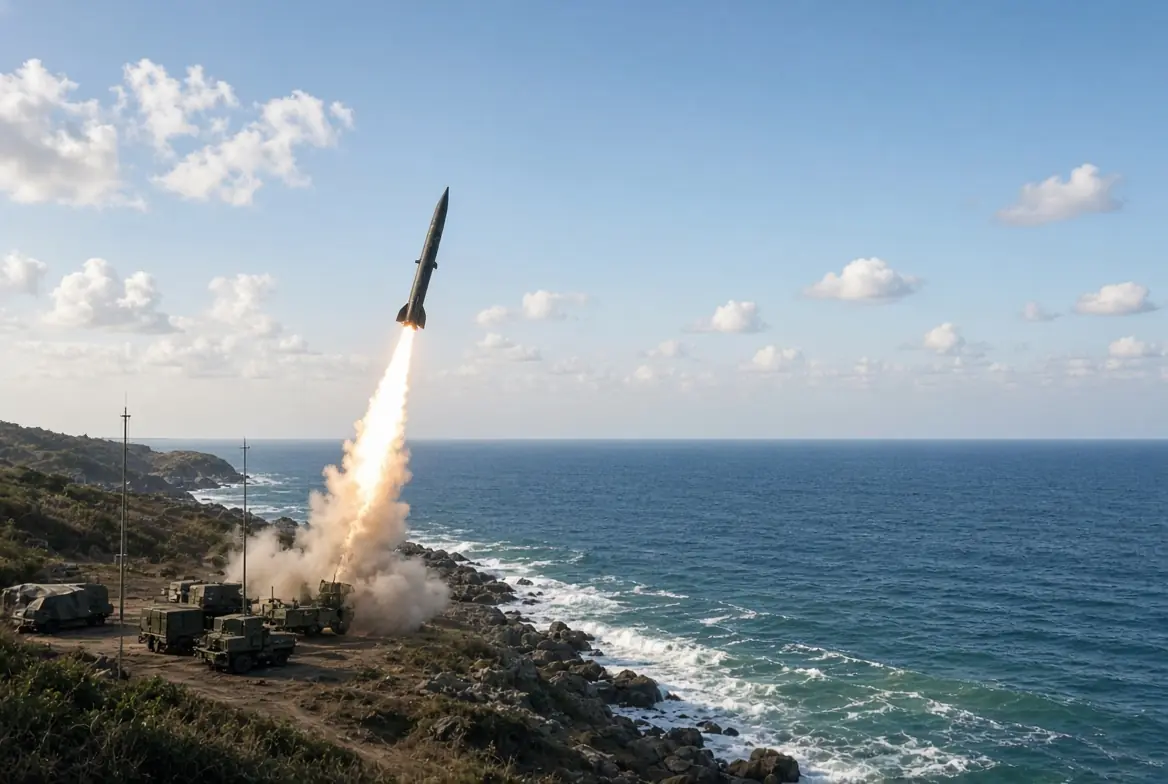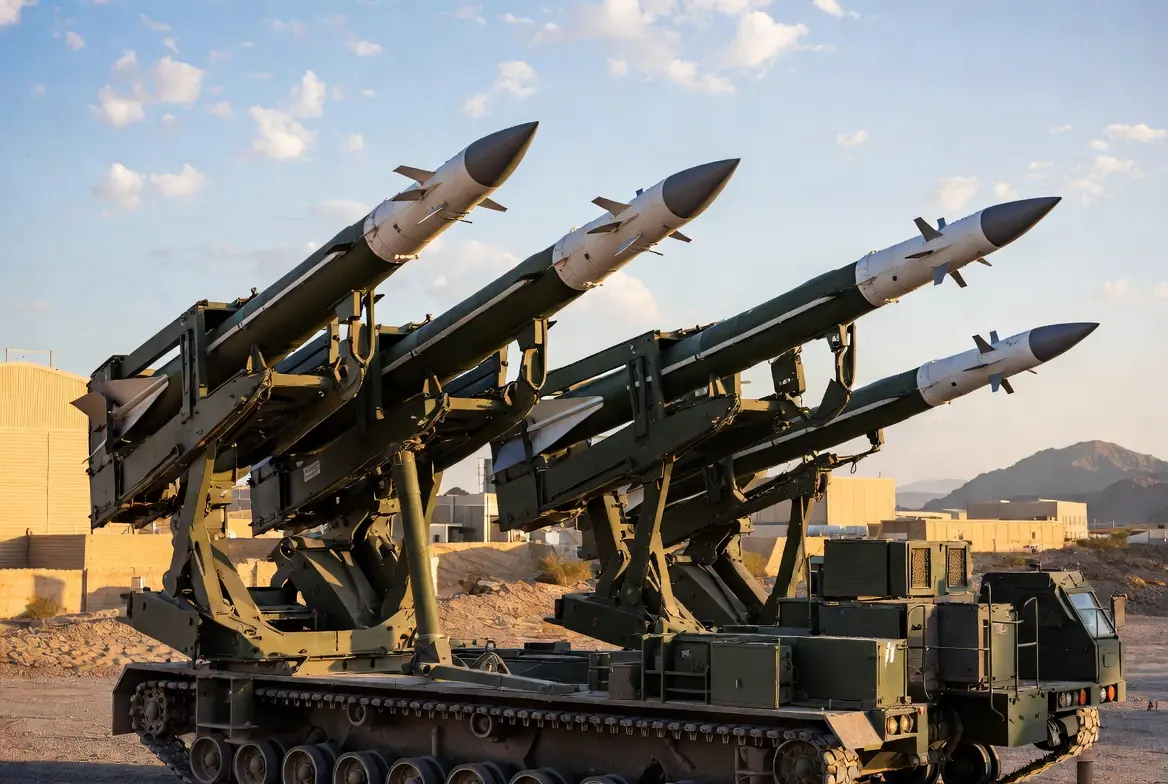

US forces have burned through nearly their entire supply of key long-range precision missiles during the ongoing five-month conflict with Iran, according to people familiar with the internal numbers. The weapons in question are mainly the Army Tactical Missile Systems known as ATACMS and the newer Precision Strike Missiles or PrSM. Two sources said the military has used “virtually all” of these stocks.
These missiles cost more than one million dollars each and let troops hit targets accurately from a safe distance. They played a major role earlier in Ukraine and have now been heavily employed against Iranian positions. Because the PrSM is still relatively new, starting inventories were already limited, while older ATACMS units are being phased out in favor of the upgraded version.
A fourth source noted that Central Command has largely exhausted the land-based missiles it held at the start of the war but has drawn replacements from other global stockpiles. Still, the rapid drawdown has sparked worry inside the administration about readiness for other potential crises involving Russia or China.
President Donald Trump launched the joint campaign with Israel in February and expected a short fight. As the fighting continues, military leaders have also warned that defensive systems are running low. Estimates suggest roughly 65 percent of Patriot interceptors and at least 38 percent of THAAD interceptors have been expended. Nearly half of the global Tomahawk cruise missile inventory has also been used.
The White House responded that the United States still holds far more munitions than any other country and more than it needs. Trump added that defense firms are producing at record levels and expanding factories. Pentagon officials similarly insisted the military remains the world’s strongest and is fully prepared to act when ordered.
Analysts agree production of artillery shells and several missile types has reached historic highs, yet they caution that output may still lag behind demand in a prolonged conflict. The shortage of standoff weapons could force greater reliance on riskier manned bombing missions if large-scale strikes resume. These concerns have fueled internal discussions about how much longer intensive operations can continue without limiting options elsewhere.