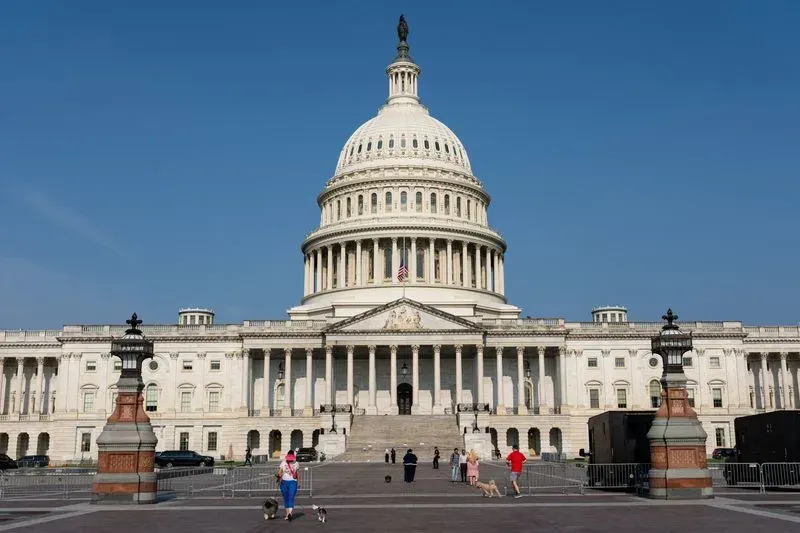

The US House of Representatives has narrowly approved its version of the Fiscal Year 2027 National Defense Authorization Act (NDAA), authorizing a record $1.15 trillion in military spending. The legislation passed by a 216 to 212 vote, highlighting sharp political divisions over defense priorities, the ongoing Iran conflict, and expanding military cooperation with Israel.
Most Republicans supported the bill, arguing that the increased funding is essential to strengthen national security, modernize military equipment, invest in advanced defense technologies, and improve benefits for service members. The proposed package also includes pay raises of up to 7%, along with funding for new military housing and upgraded facilities for troops and their families.
Democrats, however, strongly opposed the legislation. They argued that the historic level of military spending comes at a time when federal funding for several domestic social programs is being reduced. Many lawmakers also criticized continued financial support for the Iran war, which the Pentagon estimates has already cost the United States $37.5 billion.
Another major point of disagreement involves a provision that would significantly expand military technology cooperation between the United States and Israel. Critics believe the measure could deepen US involvement in the region despite growing concerns over civilian casualties resulting from the conflict in Gaza. Supporters, on the other hand, say the partnership is vital for maintaining regional security and strengthening defense capabilities.
Although the NDAA has become law every year for the past 65 years, its path forward remains uncertain. The House attached the defense legislation to the SAVE America Act, a Republican backed voting reform proposal that faces strong opposition in the Senate. Senate Democrats recently blocked their chamber’s version of the defense bill, making negotiations more complicated.
The House and Senate must now work toward a compromise version before the legislation can return to both chambers for final approval. If lawmakers reach an agreement, the bill will then be sent to President Donald Trump, who will decide whether to sign it into law or issue a veto. The coming weeks are expected to determine whether this long standing annual defense measure continues its decades long record of passage.