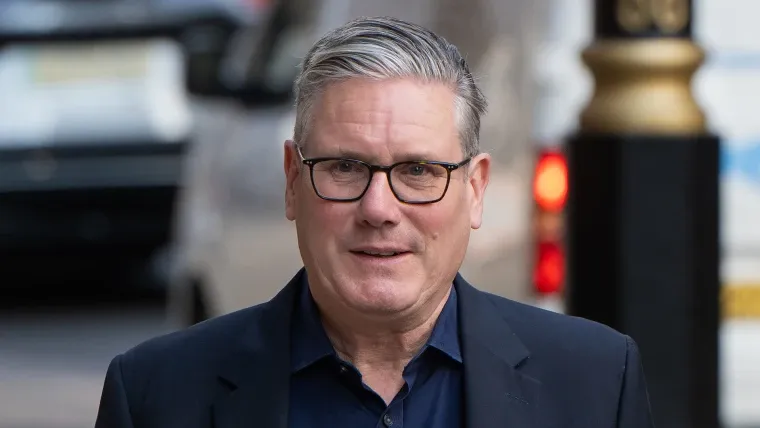

British Prime Minister Keir Starmer has pledged to remain in office and continue delivering change after Labour Party suffered major setbacks in local elections across England and parliamentary contests in Scotland and Wales. The disappointing results have raised fresh questions about Starmer’s leadership less than two years after Labour secured a landslide national victory.
The biggest winner of the elections was Nigel Farage and his Reform UK party, which gained more than 1,000 council seats. The party also strengthened its position in Scotland and Wales, becoming a serious political force against regional nationalist parties such as the Scottish National Party and Plaid Cymru.
The election results highlighted the growing collapse of Britain’s traditional two party political system. Both Labour and the Conservative Party lost significant support as voters shifted toward smaller parties including Reform UK and the Green Party of England and Wales.
Despite criticism from within his own party, Starmer insisted he would not resign. Speaking in west London, he admitted Labour had made “unnecessary mistakes” and accepted responsibility for the poor performance. However, he argued that voters were mainly frustrated with the slow pace of change rather than Labour’s overall direction.
Labour lost control of several long standing strongholds including councils in Greater Manchester, while Reform UK achieved major victories in areas previously dominated by Labour for decades. The political shift has increased pressure on Starmer as some Labour lawmakers openly question whether he can lead the party into the next general election scheduled for 2029.
Political analysts believe the results show growing public frustration over the cost of living crisis, government policy changes, and ongoing economic uncertainty across the United Kingdom.