
The ongoing Israel Iran War is entering a new and more intense phase as Israeli fighter jets prepare to strike ballistic missile facilities hidden deep underground in Iran. According to sources familiar with Israel’s military planning, the next stage of the campaign aims to significantly weaken Iran’s ability to launch missiles and aerial attacks.
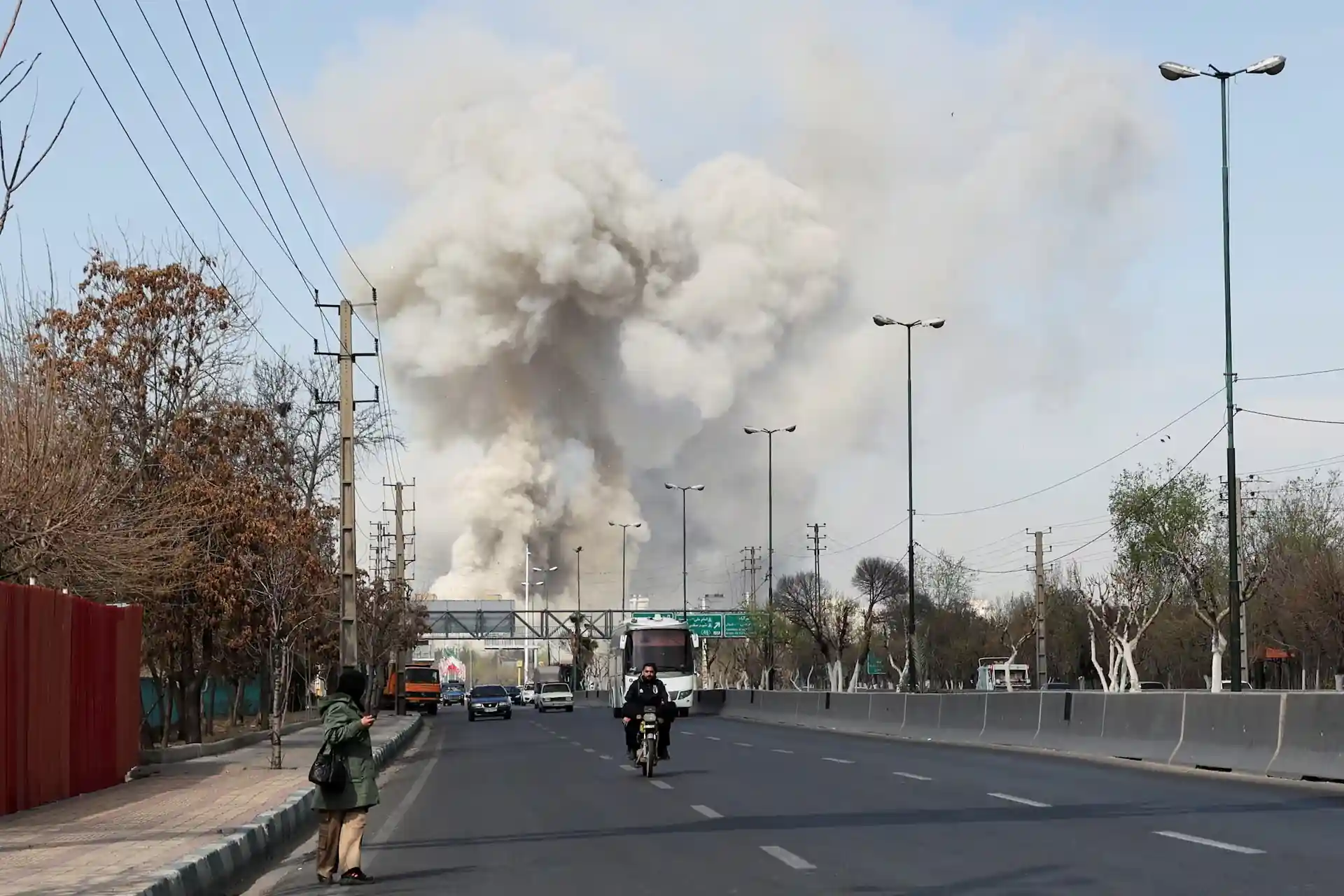
The conflict, which began nearly a week ago with a joint air campaign by Israel and the United States, has already caused major regional tensions. Early attacks reportedly targeted Iranian military leadership and strategic infrastructure, triggering retaliation from Iran through missile strikes on Israel, Iraq, and several Gulf regions. At the same time, Israeli forces have also carried out attacks on targets linked to Hezbollah in Lebanon.
Israeli military officials say that during the first phase of the war, hundreds of above ground missile launchers capable of targeting Israeli cities were destroyed. Now the focus is shifting toward underground bunkers and storage sites where Iran keeps its ballistic missiles and military equipment.
A military statement released on Thursday confirmed that the Israeli Air Force had already begun striking underground infrastructure used by the Iranian government to store ballistic missiles. These facilities are believed to house weapons intended for use against aircraft and other aerial targets.
Experts say Iran’s missile stockpile could play a crucial role in shaping the future of the conflict. Before the war began, Israel estimated Iran possessed around 2,500 missiles, while other analysts suggested the number could be as high as 6,000. Despite recent air strikes, Iran continues to launch missiles across the region.
Military analysts, including Douglas Barrie from the International Institute for Strategic Studies, believe Iran still holds cruise missiles and precision guided weapons that fly low and avoid radar detection. These weapons remain a serious concern for Israel and its allies.
Meanwhile, Israeli fighter jets have conducted continuous air missions since the war began. Some operations reportedly involve striking Iranian targets during outbound flights and attacking Hezbollah positions in Lebanon on the return journey.
Although missile launches from Iran have slightly decreased in recent days, Israeli officials believe Tehran may be saving its missile reserves for a prolonged conflict.