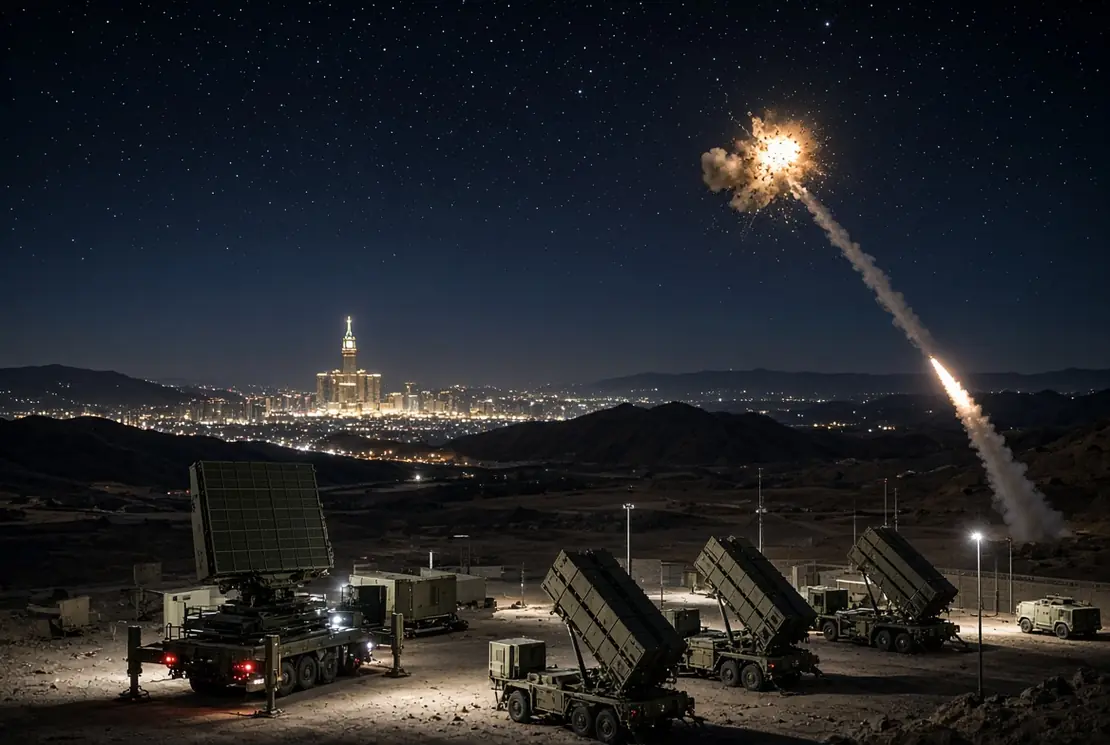

Saudi air defenses successfully destroyed a Houthi drone south of Makkah on Tuesday evening before it could enter restricted airspace over the holy city. A spokesperson for the Saudi-led military coalition confirmed the interception on Wednesday and warned that the security of Islam’s holiest sites remains a firm red line.
Coalition spokesman Turki al-Malki stated that this was the second alleged attempt by the Houthis to target Makkah. The first involved a ballistic missile in July 2017. He stressed that protecting the Grand Mosque, the Kaaba, and the safety of pilgrims is non-negotiable.
Houthi officials quickly rejected the claim. Mohammed al-Farah, a member of the group’s political bureau, called the accusation “an outright lie” in comments published by the Houthi-run SABA news agency. The group has denied any intention of striking the holy city.
The incident comes amid a sharp rise in Houthi attacks on Saudi Arabia over the past week. These include strikes on an air base that wounded 13 civilians, according to coalition officials. The Houthis say their actions are retaliation for Saudi airstrikes inside Yemen.
Fighting has also intensified near the Red Sea. The Houthis recently seized territory along Yemen’s coast overlooking the Bab el-Mandeb strait, a vital shipping lane. At the same time, a separate attack last Friday disrupted Saudi Arabia’s East-West Pipeline, a key oil route used while the Strait of Hormuz remains constrained by the wider regional conflict.
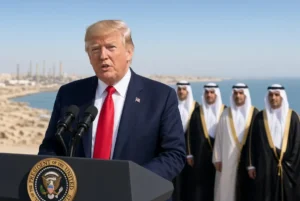
Saudi Arabia has led a coalition against the Houthis since 2015. A fragile ceasefire had held for years, but violence has reignited this month. Crown Prince Mohammed bin Salman recently contacted US President Donald Trump seeking additional military support. So far, American assistance has been limited to intelligence sharing.
The interception near Makkah has added a highly sensitive religious dimension to the already tense conflict. Saudi authorities issued security alerts for the holy city on Tuesday, underlining their determination to keep sacred sites completely safe.