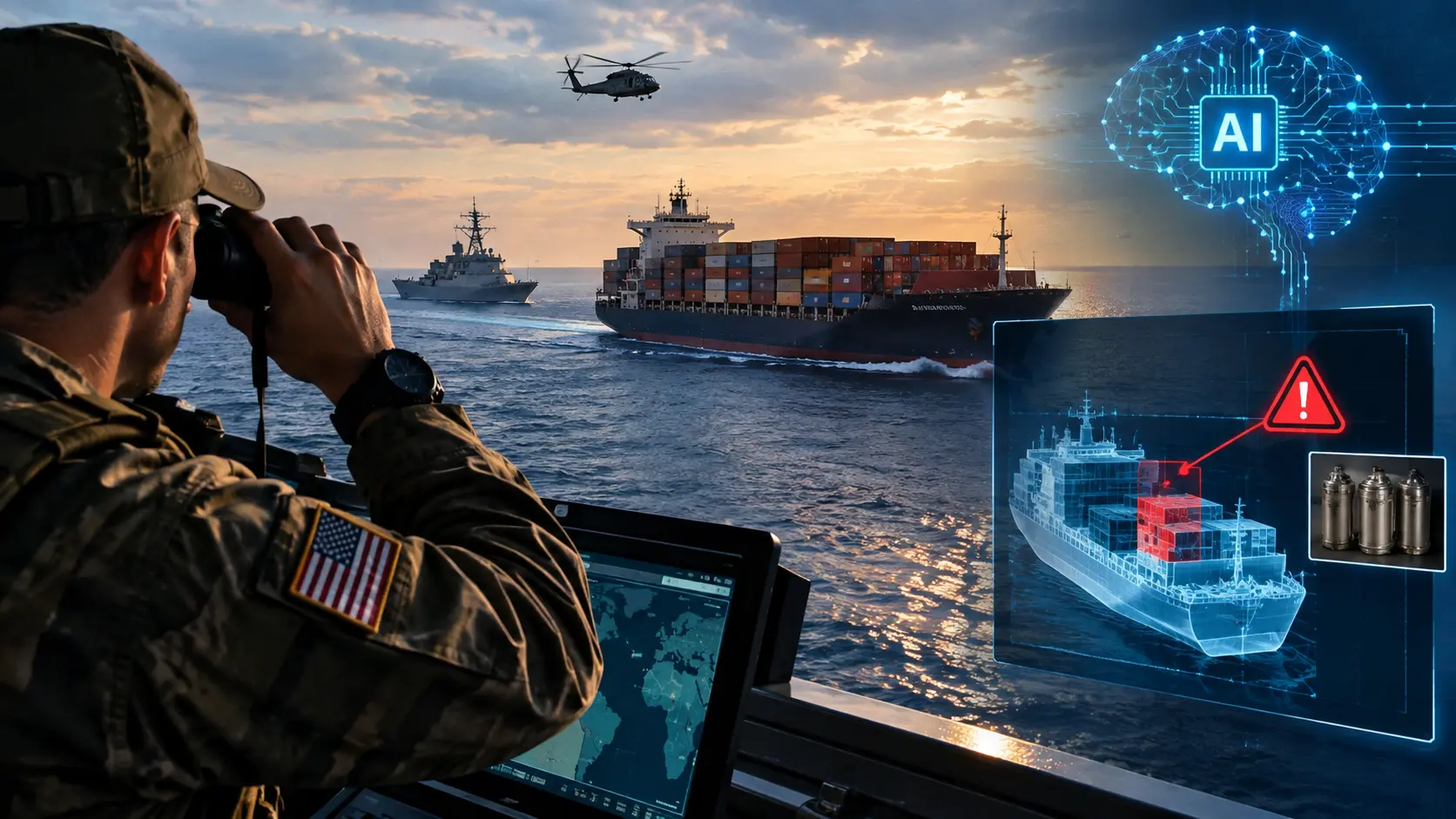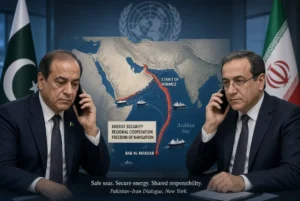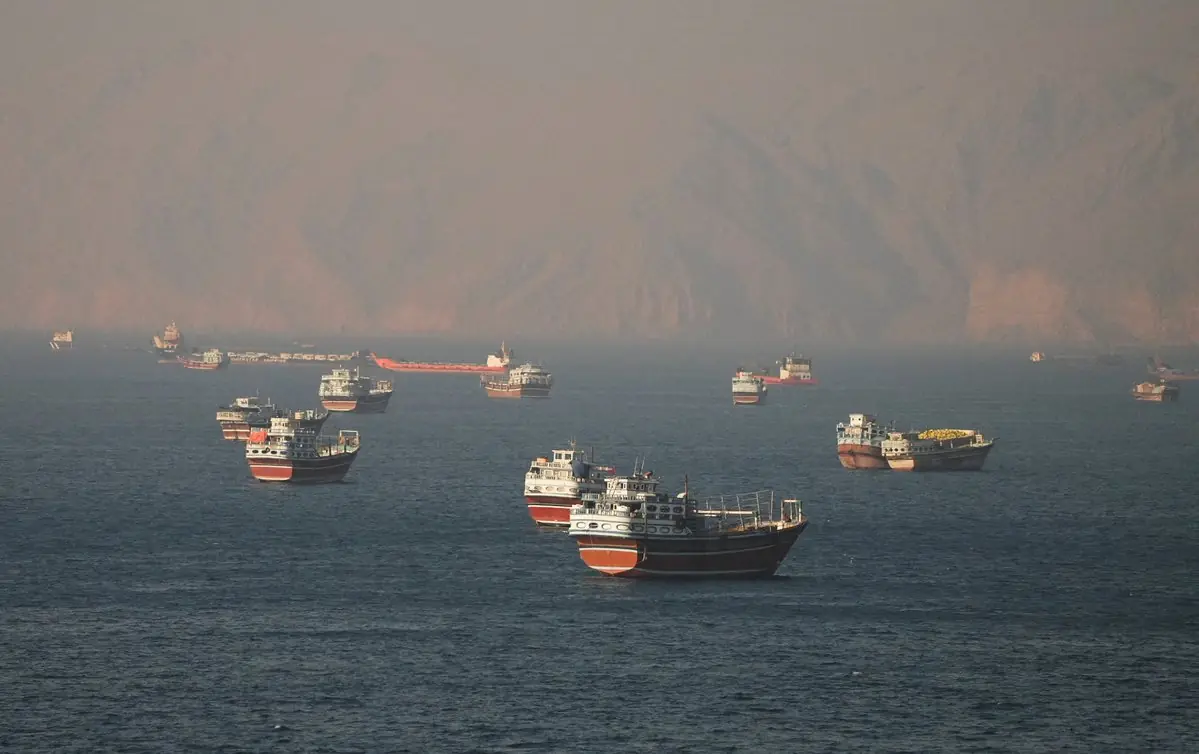

Iran and Oman have moved closer to a joint plan for managing the Strait of Hormuz, Tehran confirmed this week. Officials say the two countries have already agreed on the exact shipping route through the vital waterway and are now putting the final touches on how they will share control.
Iran’s foreign ministry spokesman Esmaeil Baqaei told reporters that the geographical coordinates for the new route have been settled. A joint statement spelling out the main points of the deal is in its last drafting stage, provided no outside parties interfere. Yet Baqaei was clear that any real easing of traffic still depends on one major condition: the United States must end its naval blockade of Iranian ports.
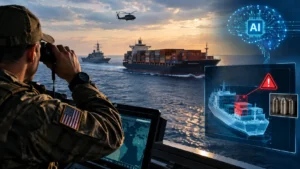
Since the conflict began in late February, Iran has treated the strait as under its de facto control and has warned vessels against using routes it has not approved. Many ships have preferred the southern path hugging the Omani coast, sometimes coming under fire. Iran wants vessels to stay closer to its own shoreline and has signaled interest in collecting tolls, something it never did before the war.
Fresh incidents keep the risks high. The captain of an oil tanker reported two explosions nine nautical miles southeast of Kumzar, Oman, according to Britain’s maritime security agency. The crew and ship escaped unharmed. At the same time, Yemen’s Houthis claimed missile strikes on two Saudi oil tankers, one off Yanbu and another in the Gulf of Aden.
Before the crisis, the Strait of Hormuz handled roughly a fifth of the world’s oil and LNG shipments. Repeated price spikes have increased pressure on Washington. US Vice President JD Vance admitted talks with Iran will be slow and messy because of internal divisions in Tehran’s leadership.
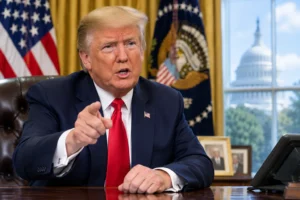
President Donald Trump has repeatedly claimed Iran is eager for a deal to reopen the waterway, yet Iranian officials deny any direct negotiations with the United States. Instead, Tehran insists it will work only with its neighbor Oman. Even if the joint plan is finalized, Baqaei stressed the strait will not automatically become safe for every vessel while American naval actions continue.
The coming days will show whether the Iran-Oman understanding can reduce tension or whether external pressure keeps the waterway unsettled.