
Defence Minister Khawaja Asif has strongly supported the idea of creating new provinces in Pakistan. He said even as many as twelve provinces could be considered if the process stays focused on better administration instead of ethnicity or political gains.
Speaking to Geo News in Sialkot, Asif explained that discussions about new provinces have been going on for the past two months. Ideas are coming from different parts of the country. He made it clear that any division must serve the people and improve governance rather than divide communities along language or ethnic lines.
Asif argued that Pakistan’s growing population needs smaller and more effective administrative units. Power should not stay locked in the big provincial capitals like Lahore, Karachi, Quetta and Peshawar. Instead, authority and resources must move closer to the people so public services can reach every area properly.
He also pointed out problems in the current system of financial distribution. Funds that come from the centre often stay under the control of provincial governments. Local governments remain dependent on those provincial authorities even though the money is meant for grassroots development. Asif said politicians must stop treating power as something they alone should hold. Power is a trust given by the people and should be shared for better results.
The minister recalled Pakistan’s own history when provinces were once merged under the One Unit scheme and later restored. He also mentioned Afghanistan, which increased its provinces from around eight or ten to more than thirty for improved administration.
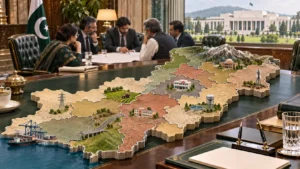
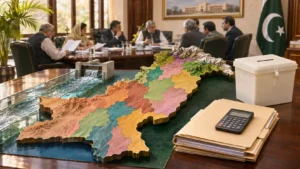
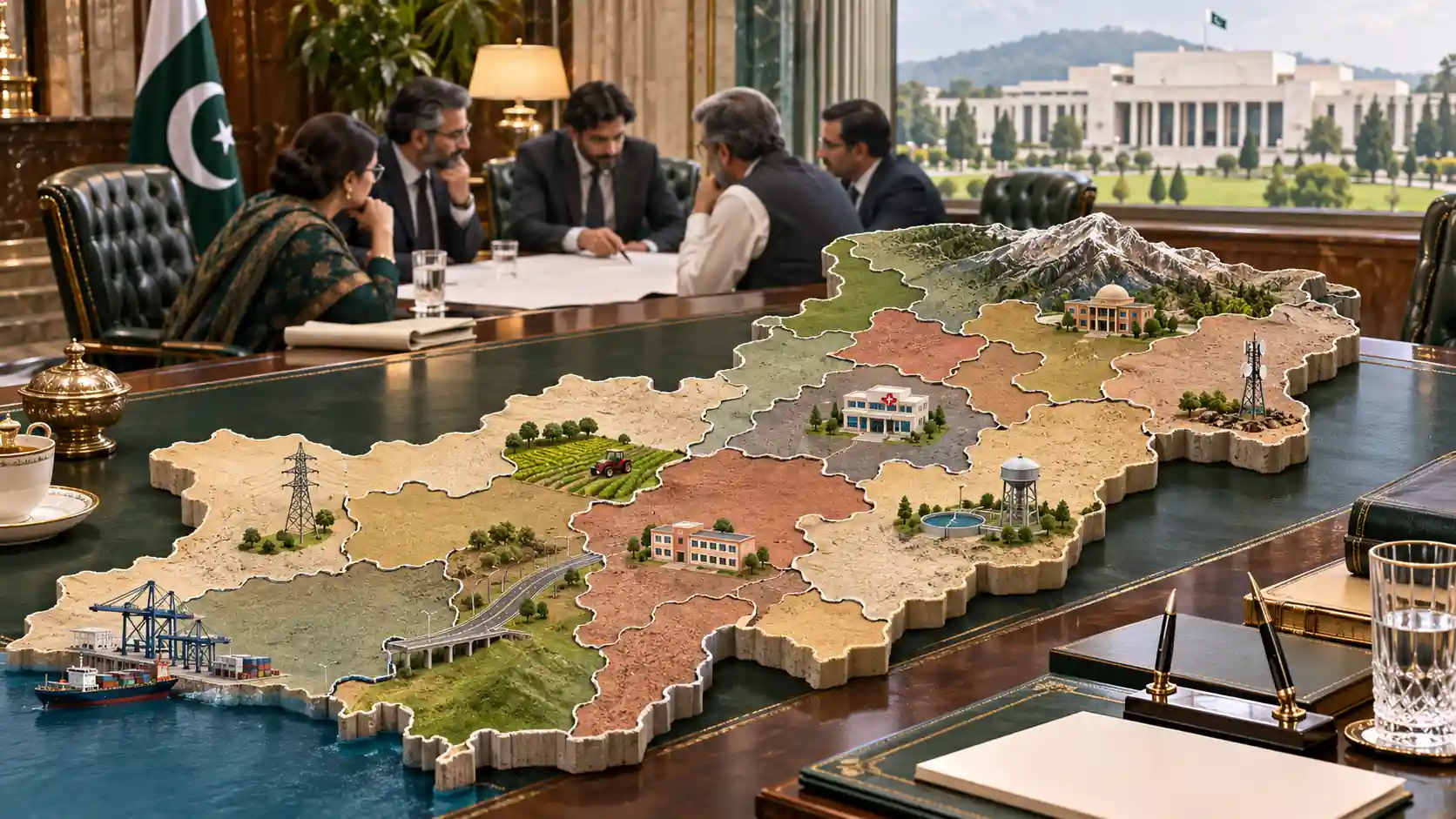
Recent reports suggest a proposal to reorganise the country into twelve provinces is under study. Punjab could be split into four units, Khyber Pakhtunkhwa and Balochistan into three each, and Sindh into two. A nationwide referendum and a possible constitutional amendment may follow, with preparatory work possibly starting in early 2027. No final boundaries or structures have been decided yet.
The main goal remains clear: better governance, fairer distribution of resources, and services that actually reach citizens in every corner of the country. Asif’s comments add weight to the ongoing debate about how Pakistan can manage its size and population more effectively through thoughtful administrative reform.