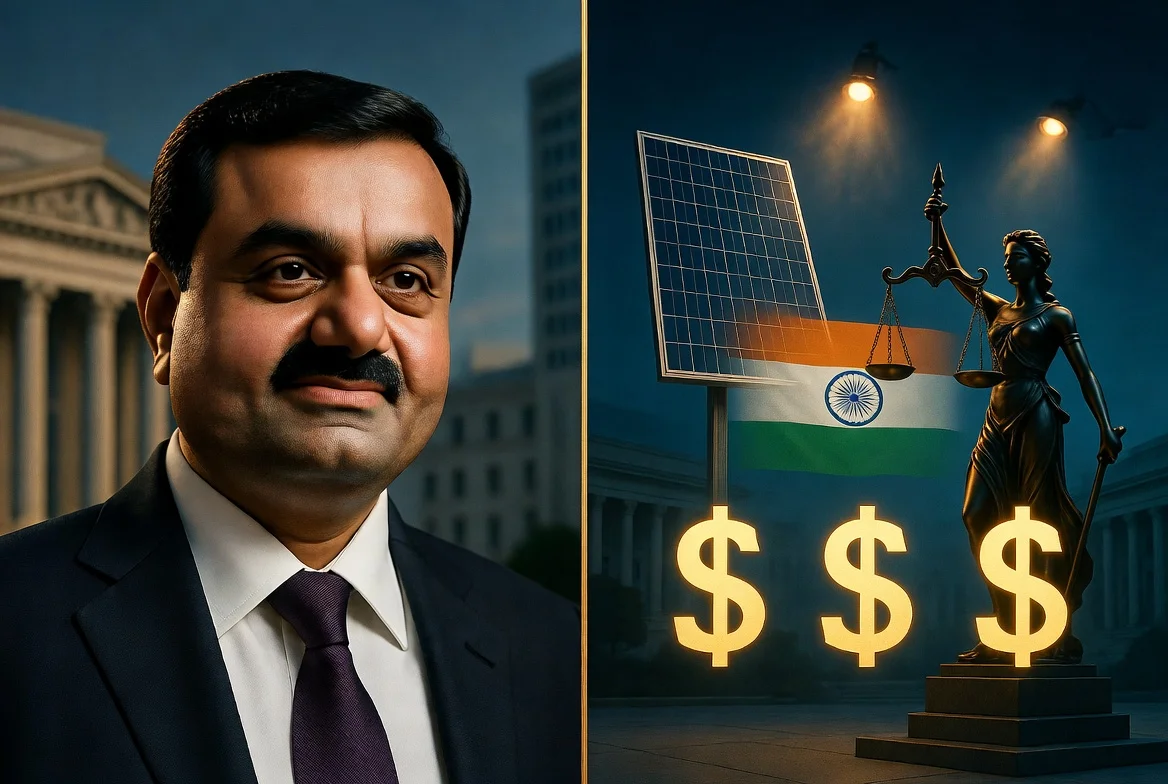

Indian billionaire Gautam Adani has reached a settlement in a major US civil court case, agreeing to pay a multimillion-dollar penalty without admitting any wrongdoing. The development marks a significant turn in the high-profile legal battle that has drawn global attention to the Adani Group.
According to details shared by Adani Green Energy, the industrialist and his nephew Sagar Adani will pay a total civil penalty of $18 million. This agreement comes in response to a November 2024 indictment filed in a New York court. Prosecutors had accused Adani and several subordinates of deliberately misleading international investors as part of an alleged vast bribery scheme worth around $250 million. The claims involved securing lucrative solar energy supply contracts through improper payments to Indian officials.
Importantly, the Adani Group stressed that the company itself is not a party to the proceeding and faces no charges. The settlement explicitly notes that it does not involve any admission or denial of the allegations. A final court judgment is still awaited.
Reports suggest US prosecutors are preparing to drop the related criminal charges. This shift reportedly follows Adani hiring a powerful new legal team led by Robert Giuffra, a prominent lawyer known for his connection to President Donald Trump. The case, which originated during the Biden administration, has now taken a new direction.
Gautam Adani, a close ally of Indian Prime Minister Narendra Modi, built his vast empire from humble beginnings. Born in Ahmedabad, Gujarat, he left school at 16 and moved to Mumbai. Starting with gem trading and later plastics, he founded the Adani Group in 1988. His major breakthrough came in the mid-1990s with a major port project in Gujarat. Today, his business interests span coal, airports, cement, energy, and media.
This settlement arrives after years of challenges for the group, including earlier corporate fraud allegations and a sharp stock market drop. Despite the controversies, Adani continues to play a key role in India’s infrastructure and energy sectors. The resolution brings some closure to this particular US legal matter while allowing the group to focus on its ambitious growth plans.