
A recent analysis by the Center for Strategic and International Studies (CSIS) has revealed that the United States military significantly exhausted its munitions during the seven-week conflict known as Operation Epic Fury. According to the study, the intensity of the air and missile campaign led to the firing of nearly 50% of the Patriot missile stockpile, raising urgent questions about Washington’s operational readiness for future high-intensity conflicts, particularly in the Western Pacific.
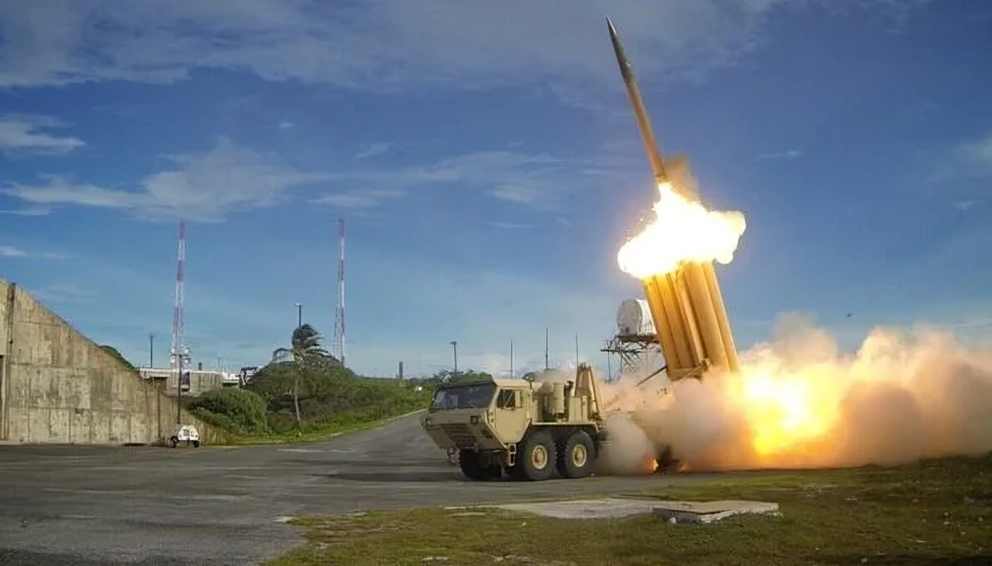
The depletion extends beyond just the Patriot system. The report indicates that over half of the THAAD interceptors and approximately 45% of Precision Strike Missiles (PrSMs) were utilized. Other critical assets, including JASSMs and SM-3 interceptors, also saw double-digit percentage reductions in available inventory. CSIS experts warn that replenishing these sophisticated weapon systems to their original levels could take anywhere from one to four years, potentially leaving a gap in national defense strategy.
Despite these findings, the Pentagon and Centcom officials have maintained a confident stance. Admiral Brad Cooper emphasized that US forces are currently rearming and retooling during the ceasefire, adjusting tactics to ensure they remain the most powerful military force globally. Pentagon spokesperson Sean Parnell dismissed the report’s alarmist tone, stating that the US military remains fully equipped to protect its interests and execute missions at any time. He noted that the campaign required only a fraction of overall US naval power to achieve its objectives in the Strait of Hormuz.
To address the long-term supply chain issues, the administration is proposing a $1.5 trillion defense budget that includes expanding munitions contracts to as long as seven years. This strategy aims to encourage sustained investment from defense contractors and quadruple the production of “exquisite class” weapons. While the military remains capable of handling ongoing regional threats, the focus is now shifting toward rebuilding stockpiles to ensure a formidable coordinated strike posture is maintained for any future global challenges.