
The federal cabinet has approved Pakistan’s first four year Hajj Policy (2027 to 2030), introducing major reforms to improve the Hajj management system and make it easier for citizens to prepare for the sacred pilgrimage. The policy also includes a Shariah compliant Hajj savings scheme, allowing aspiring pilgrims to save gradually for future Hajj expenses.
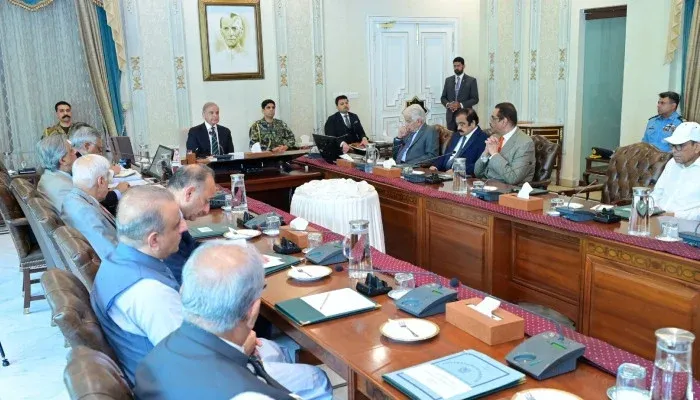
The decision was approved during a federal cabinet meeting chaired by Prime Minister Shehbaz Sharif in Islamabad. The prime minister endorsed the long term framework, stating that the new policy will improve planning, operational efficiency, transparency, and the overall experience of Pakistani pilgrims.
Unlike previous years, where registration was required every year, the new policy allows intending pilgrims to register only once for any Hajj season up to 2030. This system will help authorities prepare a priority waiting list while making the registration process more convenient for applicants.
The government also announced that the entire Hajj management process will be fully digitised. Services including payments, complaint management, monitoring, and record keeping will move to a digital platform, ensuring faster processing and greater transparency.
The policy introduces separate quotas for government and private Hajj schemes, along with long and short Hajj packages to provide greater flexibility. It also makes pilgrim training, Takaful coverage, and emergency response arrangements mandatory to improve safety and service quality.
Prime Minister Shehbaz Sharif directed authorities to ensure that the appointment of Hajj assistants is conducted through a transparent and merit based process. He also instructed officials to implement independent third party validation of services provided under both government and private Hajj schemes.
During the same cabinet meeting, members were informed that Pakistan Railways recorded a 24.19 percent increase in revenue during the 2025 to 2026 fiscal year, with earnings rising from Rs95 billion to over Rs115 billion, reflecting significant improvements in freight, property, and passenger revenues.