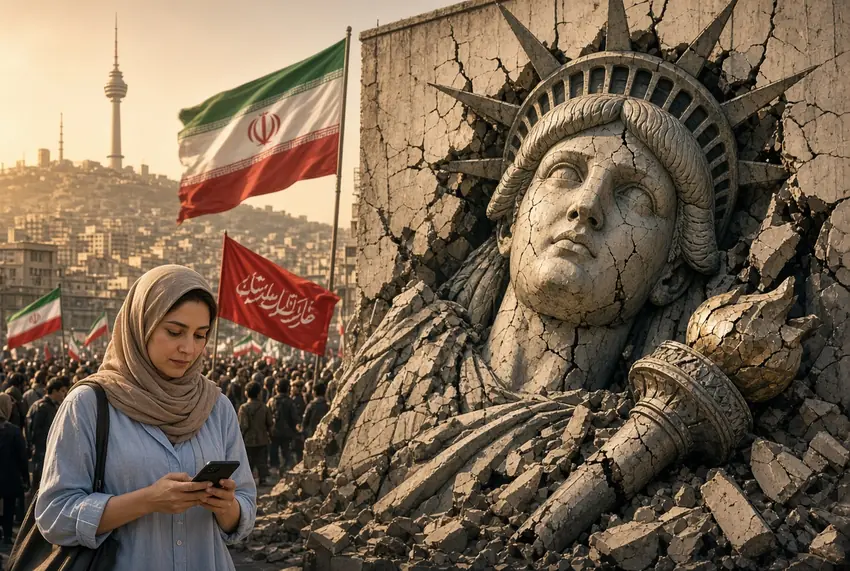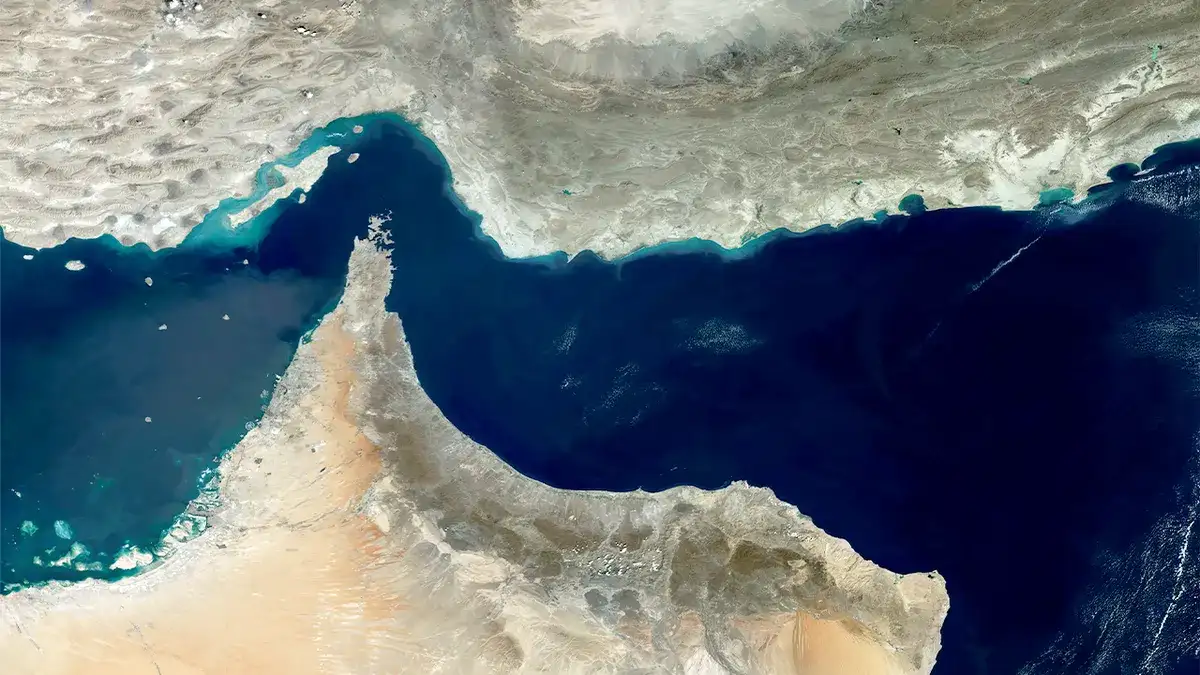

Iran has announced plans to introduce new service fees for commercial ships passing through the Strait of Hormuz, while promising that friendly countries will receive special treatment under the proposed system. The announcement comes as Tehran continues negotiations with the United States following a temporary agreement that reopened one of the world’s most important shipping routes.
Speaking at the World Peace Forum in Beijing, Iranian Ambassador Abdolreza Rahmani Fazli said the government is working closely with Oman to establish a new framework for managing maritime traffic through the strategic waterway. He emphasized that the planned charges should not be viewed as transit tolls but as service fees that will help improve security, vessel monitoring, and environmental protection.
According to the ambassador, the collected fees will support efforts to ensure the safe passage of ships, strengthen supervision of maritime traffic, and address environmental challenges caused by the large number of vessels crossing the strait every day. He also stated that countries maintaining friendly relations with Iran, especially those that supported Tehran during difficult times, would receive special consideration under the new policy.
The Strait of Hormuz is one of the world’s busiest energy corridors, handling nearly 20 percent of global crude oil and liquefied natural gas shipments. Any disruption to shipping in the area can significantly impact international energy markets and fuel prices.
Earlier this year, commercial traffic through the strait was severely affected during the conflict between Iran and the United States, causing uncertainty in global oil markets. Following a temporary ceasefire agreement, Iran lifted restrictions on maritime traffic, allowing commercial vessels to resume normal operations.
Negotiations between Tehran and Washington are continuing to establish a long term arrangement for the waterway. The proposed fee system is expected to become a key topic in future discussions, as many countries closely monitor developments that could influence global trade, energy supplies, and regional maritime security.