
The Supreme Court of the United States delivered a series of major decisions on the final day of its term, handing Donald Trump both a legal setback and significant policy victories.
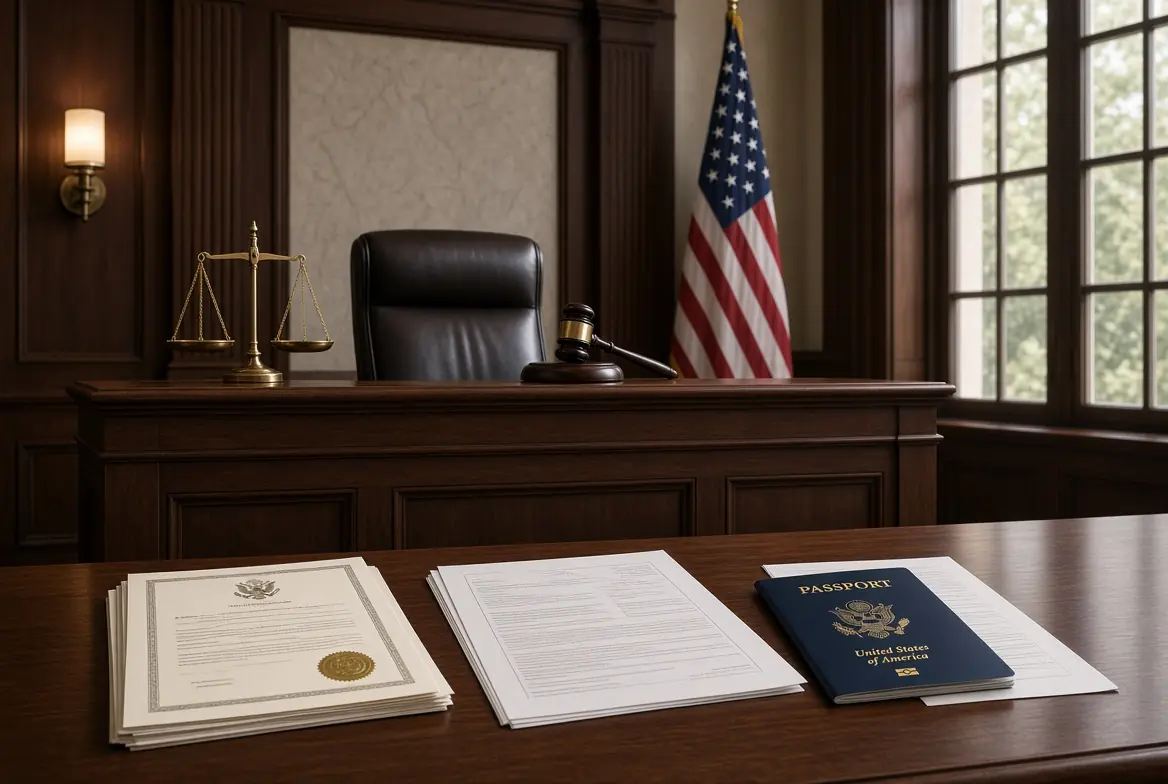
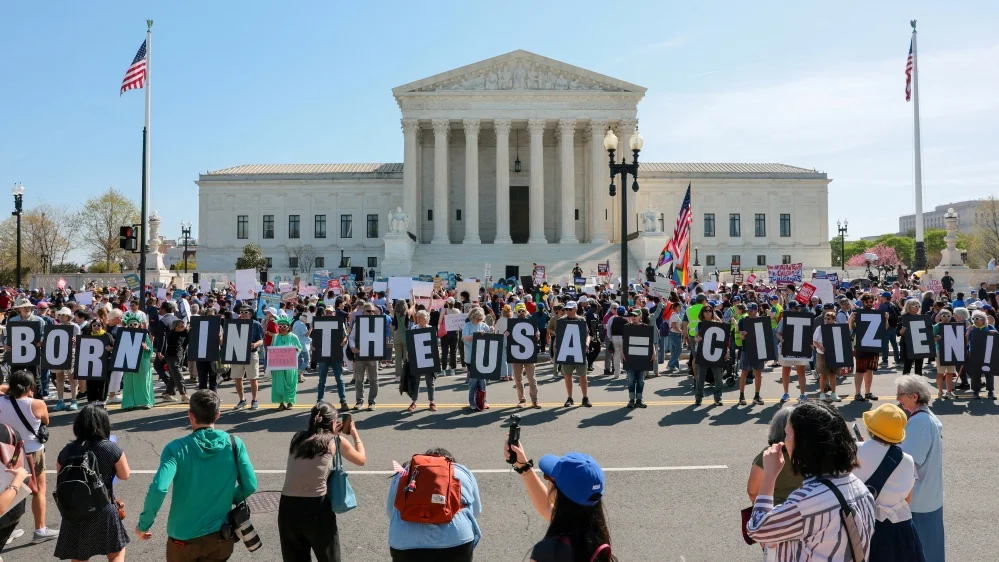
In one of the most closely watched rulings, the court rejected Trump’s attempt to restrict birthright citizenship, reaffirming that the 14th Amendment guarantees citizenship to nearly everyone born on American soil. Chief Justice John Roberts wrote that the Constitution protects this right and that the promise of citizenship remains a fundamental part of American law.
Trump had pushed for an executive order denying citizenship to children born in the US if their parents were neither citizens nor permanent residents. The court ruled that this move violated constitutional protections.
At the same time, the court ruled in favor of allowing states to enforce transgender sports bans, permitting public schools and universities to limit women’s sports participation based on biological sex. The decision supports laws already active in over 25 states and marks another major ruling in the ongoing national debate over transgender rights.
The justices also sided with Republican challengers in a campaign finance case, striking down limits on coordinated spending between political parties and candidates. The ruling strengthens political spending rights under the First Amendment.
These decisions cap off a powerful nine-month Supreme Court term filled with high-profile rulings on immigration, voting rights, gun laws, and presidential authority.
Legal experts say the rulings will have long-term political and social effects, especially as the United States heads toward the 2026 midterm elections. For Trump, the mixed outcomes highlight both the legal limits and political opportunities shaping his second term in office.