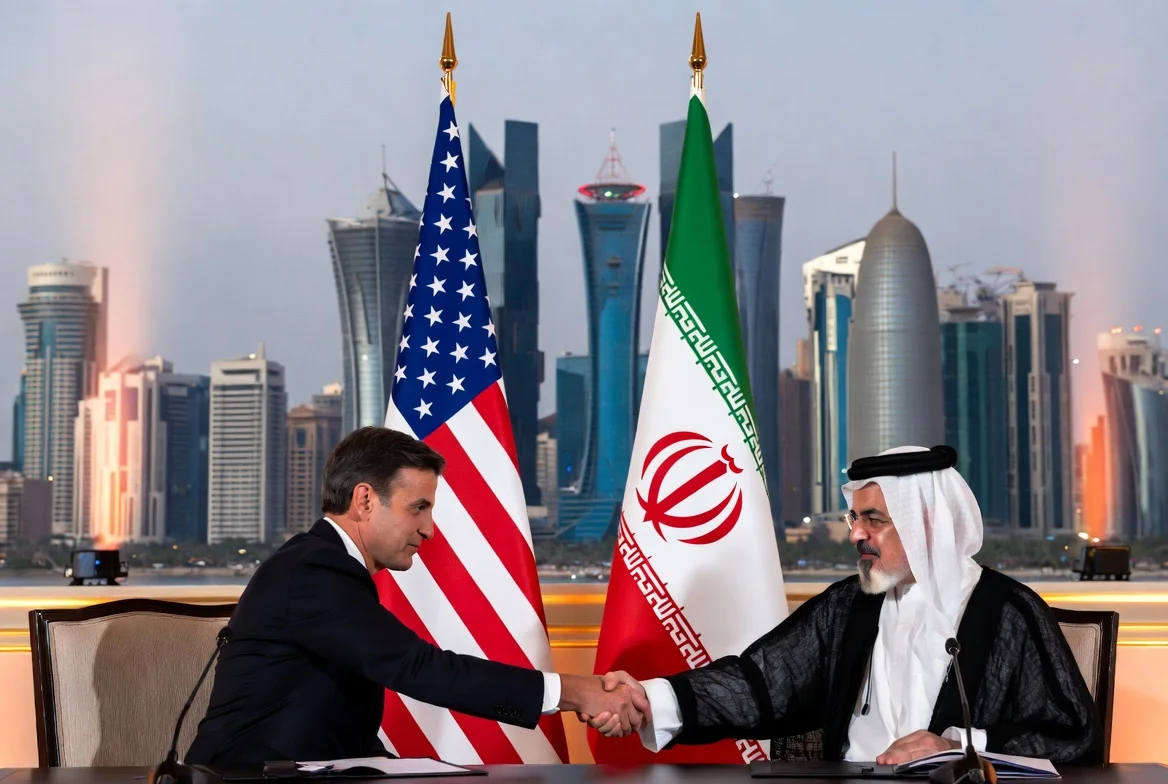

US and Iranian negotiating teams are heading to Doha this week, but a direct meeting between the two sides appears highly uncertain after Iran stated there would be no talks in the coming days. The development comes amid fragile ceasefire conditions following a four-month conflict that severely disrupted global oil supplies through the Strait of Hormuz.
Iranian Foreign Ministry spokesperson Esmaeil Baghaei firmly stated, “We will not have any negotiation meetings at any level with the American side in the coming days.” While Iran is sending a technical delegation to Qatar, officials clarified it has no connection to the US visit.
US President Donald Trump is dispatching his son-in-law Jared Kushner and envoy Steve Witkoff to lead the American team. The June 17 interim ceasefire agreement aimed to pause fighting, address Iran’s nuclear program, and work toward a permanent truce. However, both sides continue to accuse each other of violations, highlighting the deal’s fragility.
The conflict, which began with US and Israeli strikes on Iran in late February, brought maritime traffic in the Strait of Hormuz to a near standstill. This vital waterway, responsible for a large portion of global oil trade, saw oil prices surge above $100 per barrel, raising inflation concerns worldwide and creating political pressure on Trump ahead of US midterm elections.
Paraguay’s progress on implementing the 14-point memorandum has been slow. A senior Iranian official mentioned possible technical discussions focused on managing the Strait of Hormuz and de-escalation, with mediators from Qatar and Pakistan involved. However, direct US-Iran talks remain off the table for now.
Iran insists it will maintain full control over the strait, including all demining efforts. Iranian President Masoud Pezeshkian announced that $6 billion of frozen assets in Qatar will be released. Meanwhile, US Democrats, including Senator Chuck Schumer, have criticized the Trump administration for the lack of clear benefits from the conflict.
The situation remains tense, with recent missile exchanges testing the ceasefire. French President Emmanuel Macron offered support for demining efforts alongside Oman, but Iran rejected any external involvement.