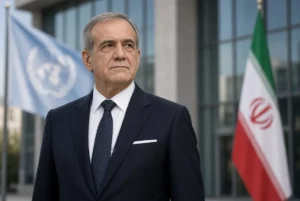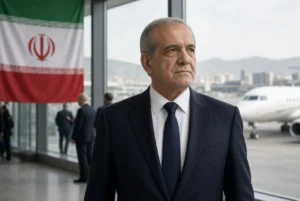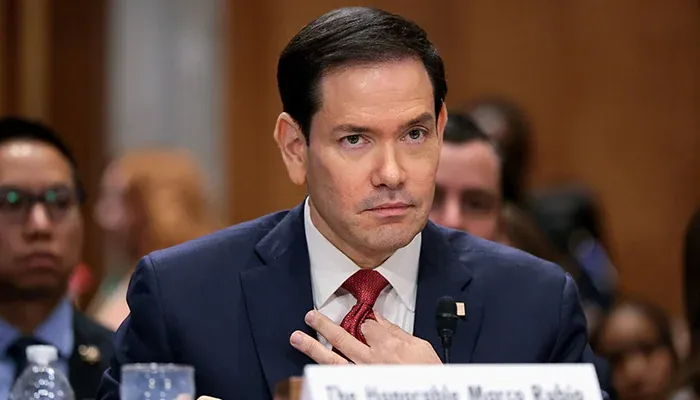

The possibility of a new US-Iran deal remains on the table as US Secretary of State Marco Rubio expressed optimism that negotiations could still move forward despite months of conflict and diplomatic deadlock. Speaking before the Senate Foreign Relations Committee, Rubio emphasized that Iran could receive significant sanctions relief if it agrees to strict limitations on its nuclear activities.
Rubio also revealed that Mojtaba Khamenei, Iran’s current supreme leader, is alive and becoming increasingly active in government affairs. Khamenei assumed leadership following the death of his father, Ali Khamenei, during the opening phase of the US-Israeli military campaign that began in February 2026. Since taking office, Mojtaba Khamenei has remained largely out of public view, prompting speculation about his health and political role.
The comments come as efforts to end the three month conflict in the Middle East have stalled. The war has had far reaching consequences, contributing to instability across the region and increasing pressure on global energy markets.
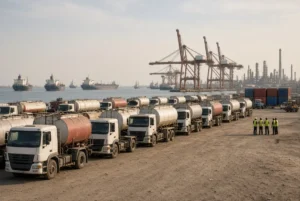
According to Rubio, a path toward improved relations remains possible if Iran agrees to several key conditions. One of Washington’s primary demands is the reopening of the Strait of Hormuz, one of the world’s most important maritime routes for oil and gas shipments. The United States wants guarantees that commercial vessels can move freely through the waterway without additional fees, threats, or military interference.
Another major requirement involves Iran’s nuclear programme. Rubio stated that sanctions were imposed because of Tehran’s uranium enrichment activities and broader nuclear ambitions. He stressed that meaningful sanctions relief would only be considered if Iran accepts severe and long term restrictions on enrichment or agrees to halt such activities altogether.
While no agreement has been finalized, Rubio suggested that diplomatic progress could occur at any time. The outcome of these negotiations may play a crucial role in shaping regional stability, energy security, and future relations between Washington and Tehran.