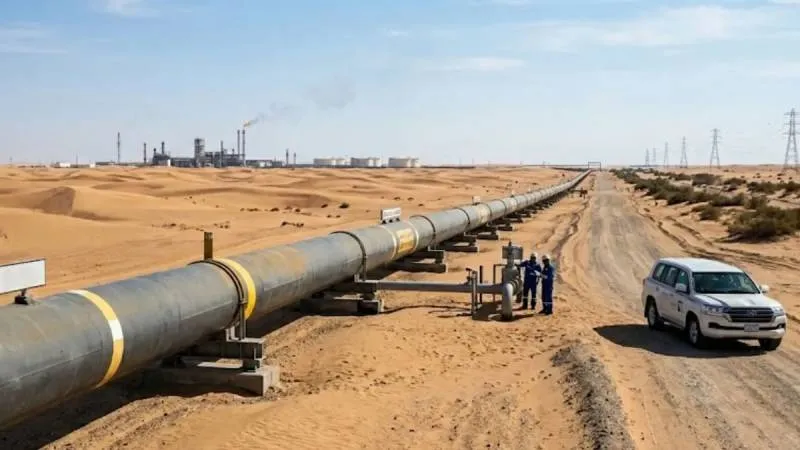

The United Arab Emirates is rapidly moving ahead with its ambitious new oil pipeline project designed to bypass the strategically important Strait of Hormuz. According to ADNOC chief Sultan Al Jaber, the project is already 50% complete and is expected to begin operations by 2027.
The pipeline aims to strengthen the UAE’s energy exports through the port of Fujairah, reducing reliance on one of the world’s busiest and most sensitive oil shipping routes. The development comes after months of regional tensions and disruptions caused by the ongoing conflict involving Iran, which severely affected global oil transportation.
Al Jaber explained that too much of the world’s energy currently depends on a few critical maritime routes. He said the UAE made the decision years ago to invest in alternative infrastructure to secure global energy supplies and maintain stability in international markets.
The existing Abu Dhabi Crude Oil Pipeline (ADCOP) already transports around 1.8 million barrels of oil per day outside the Strait of Hormuz. The new expansion project is expected to significantly increase export capacity and improve supply reliability for global markets.
During the recent conflict, the UAE reportedly faced more than 3,000 missile and drone attacks targeting civilian and energy infrastructure, including ADNOC facilities. Damage assessments are still ongoing, and full operational recovery may take several months.
Al Jaber also warned that even if tensions ease immediately, global oil flows may only recover to 80% of pre-war levels within four months, while full recovery may not happen before 2027. He stressed that protecting freedom of navigation is essential for global economic stability.
The UAE’s decision to accelerate the project also follows its withdrawal from the Saudi-led OPEC alliance earlier this year. Officials described the move as a strategic decision aimed at increasing production flexibility and supporting rising global energy demand, especially as technologies like artificial intelligence continue to increase worldwide electricity consumption.