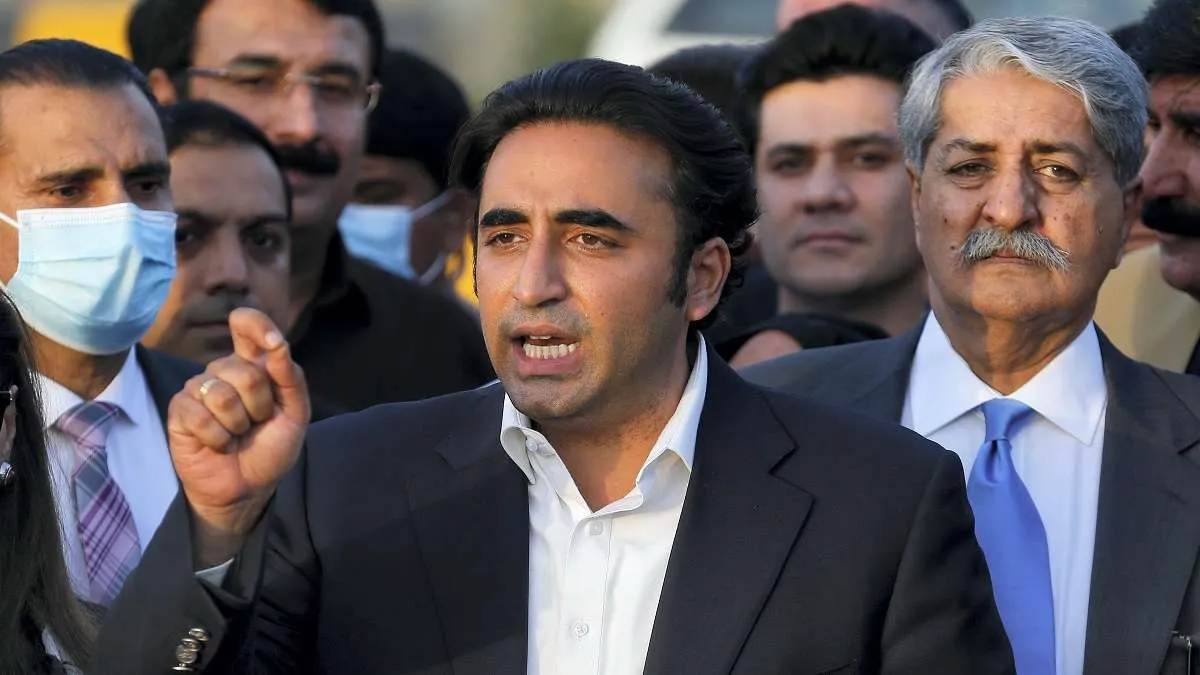

PPP Chairman Bilawal Bhutto Zardari has clarified that there are currently no formal discussions taking place regarding a possible 28th Constitutional Amendment, although he did not rule out future developments. Speaking during a parliamentary party meeting, Bilawal said he would comment further if any progress emerged on the matter.
During his address, Bilawal highlighted the role of the Pakistan Peoples Party (PPP) in protecting provincial rights through previous constitutional reforms. He stated that the 26th and 27th Amendments strengthened provincial representation and ensured participation from all provinces in the Supreme Court and the Federal Constitutional Court.
His comments came after State Minister for Law Barrister Aqeel Malik dismissed reports suggesting that a possible 28th Amendment could weaken the 18th Amendment. Malik described such claims as misleading and clarified that no official work was underway on any constitutional changes at the moment.
The 18th Amendment, passed during the PPP government in 2010, remains one of the party’s major political achievements. Over the years, several political groups have proposed changes to it, but PPP leaders have consistently opposed any rollback of provincial autonomy.
Bilawal also announced the formation of a four member committee for budget negotiations with the federal government. The committee includes Raja Pervaiz Ashraf, Naveed Qamar, Saleem Mandviwala, and Sherry Rehman. According to Bilawal, the federal government cannot pass the upcoming budget or introduce constitutional amendments without PPP support.
The PPP chairman warned that the next budget could increase economic pressure on ordinary citizens. He said inflation continues to severely affect people across Pakistan and urged joint efforts to reduce public hardships.
Bilawal added that Prime Minister Shehbaz Sharif’s relief measures were welcome and said PPP would cooperate with the government to help control inflation. He also expressed hope that future talks between Iran and the United States would succeed and reduce regional tensions.