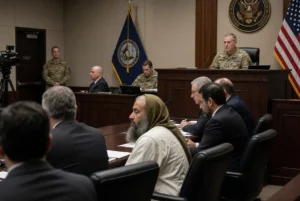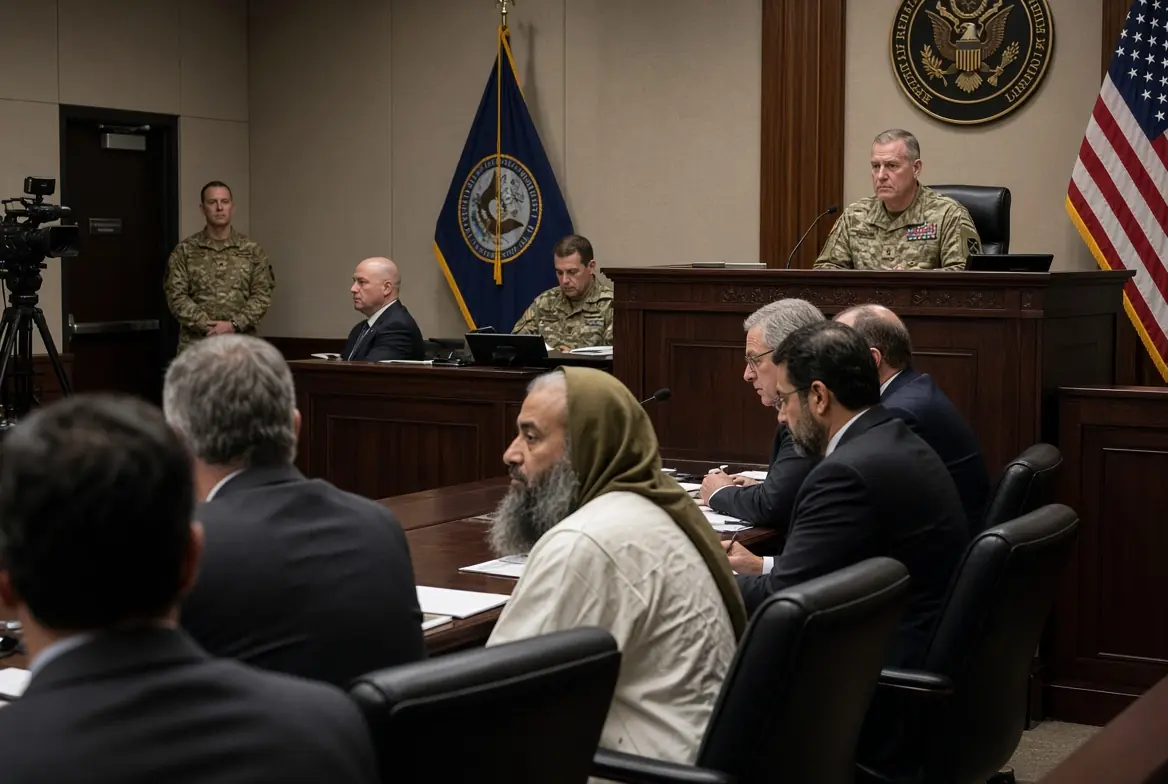

Lieutenant Colonel Michael Schrama ruled that confessions given by Khalid Sheikh Mohammed to FBI agents cannot be used at trial. The judge found that the 2007 statements were not voluntary because they remained tainted by the harsh treatment Mohammed suffered earlier in CIA custody.
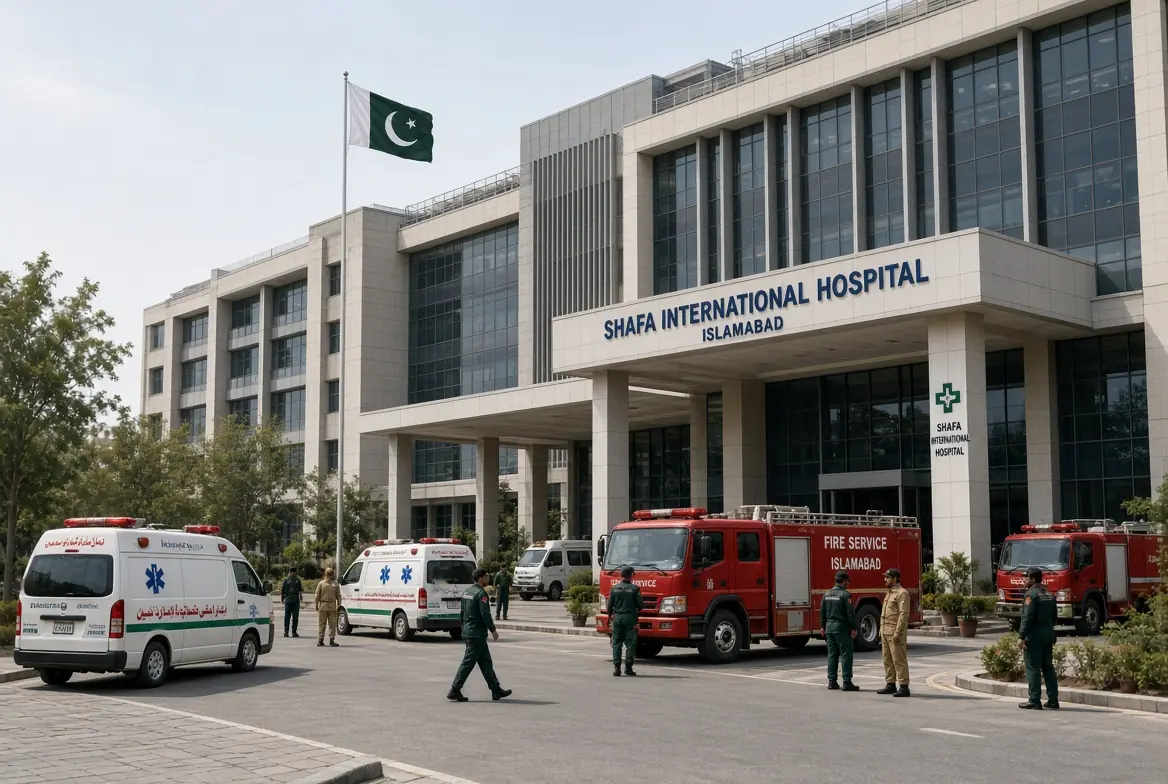
Mohammed, widely described as the alleged mastermind of the September 11 attacks, was captured in Pakistan in 2003. He spent years in secret CIA prisons where interrogators used severe methods, including repeated waterboarding. After his transfer to Guantanamo Bay in 2006, FBI agents questioned him again. Schrama decided those later statements still carried the effects of the earlier coercion and therefore could not be admitted as evidence.
The decision marks another serious setback for the prosecution. Officials had viewed Mohammed’s FBI confessions as key evidence in the case that has already dragged on for nearly two decades. Families of the nearly 3,000 people killed in the attacks have voiced frustration, worrying that further delays could push any final resolution even farther away.
Trial dates have now been pushed back. Schrama scheduled the proceedings to begin on June 5, 2028, for Mohammed and three co-defendants: Walid bin Attash, Mustafa al Hawsawi, and Ali Abdul Aziz Ali. He rejected a prosecution request to start in January 2027, saying more time was needed to settle remaining pretrial motions.
The case has faced repeated legal obstacles. In 2024, Mohammed and two others agreed to plead guilty in deals that would have removed the death penalty. Those agreements were later revoked by then-Defense Secretary Lloyd Austin and blocked by an appeals court. The military commission at Guantanamo continues to struggle with questions over evidence, interrogation methods, and the defendants’ treatment while in US custody.
As the process moves slowly forward, the rejection of the FBI confessions leaves prosecutors searching for other ways to prove their case. The upcoming trial will still take place before a military panel at the naval base in Cuba, but the latest ruling has made an already complex prosecution even more difficult.