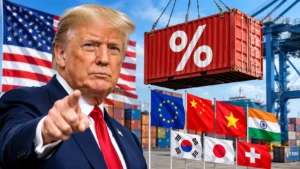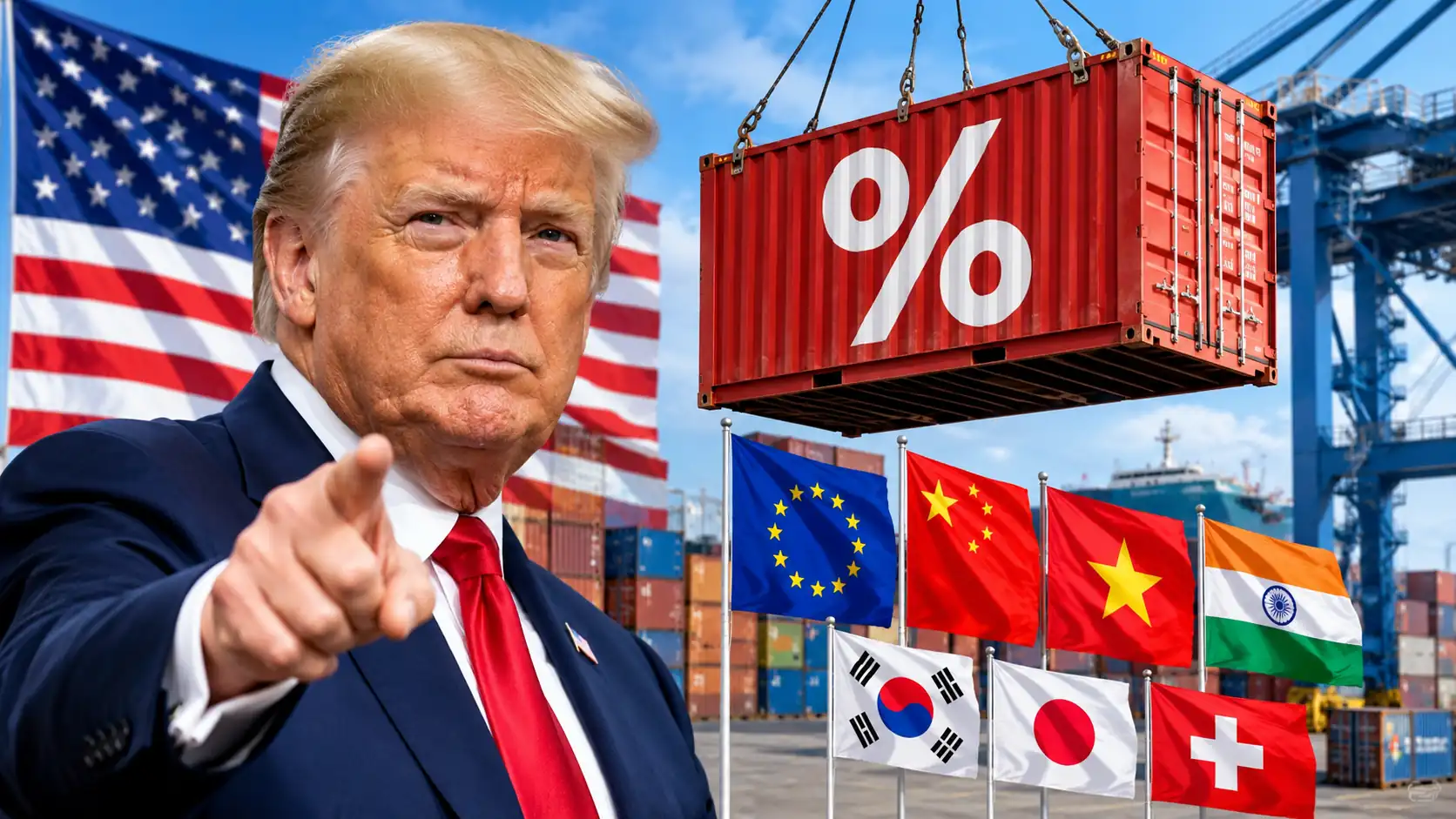

The United States has put forward a new set of proposed tariffs targeting 14 major trading partners, including the European Union and China. The move follows a detailed investigation into claims of excess production capacity that officials say ignores real market demand.
According to a senior US official, the duties could reach as high as 20 percent. China and Vietnam face the top rate of 20 percent, while Cambodia and Indonesia would see 18 percent and India 17 percent. Countries that already hold trade agreements with Washington, such as the European Union, South Korea, and Taiwan, would generally face a lower ceiling of around 15 percent.
The list also includes Bangladesh, Japan, Malaysia, Singapore, Switzerland, Thailand, and others. Officials stressed that the proposals take existing trade deals into account and will go through a public comment period before any final decision. The new measures are expected to take effect no earlier than January.
In a related step, the US Trade Representative’s office also suggested extra duties on certain Brazilian goods, including aircraft, citing unresolved trade concerns. These latest proposals form part of President Trump’s broader effort to reshape global trade relationships by encouraging partners either to buy more American products or to shift production to the United States.
The investigation began in March and examined whether other countries were supporting manufacturing levels disconnected from actual demand. Officials say excess capacity in sectors ranging from batteries and cement to chemicals and processed foods can flood markets, push down prices, and weaken American manufacturing.
Trade experts expect the new tariffs to face strong resistance, especially from China, which has long rejected claims that it relies too heavily on exports. Importantly, these duties will not stack on top of existing sector-specific tariffs on items such as steel or automobiles. Where both forced-labor and excess-production tariffs apply, only the higher rate will be charged.
While some partners that previously reached deals with the administration may feel modest relief, the announcement still risks raising tensions ahead of the G20 leaders’ meeting in Miami. US officials, however, expressed hope that the move could actually encourage more agreements at the summit. The proposals come at a time when American consumers already face elevated inflation and businesses are adjusting to earlier rounds of tariffs.