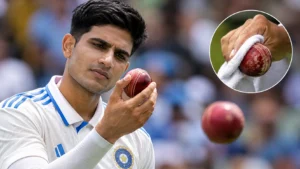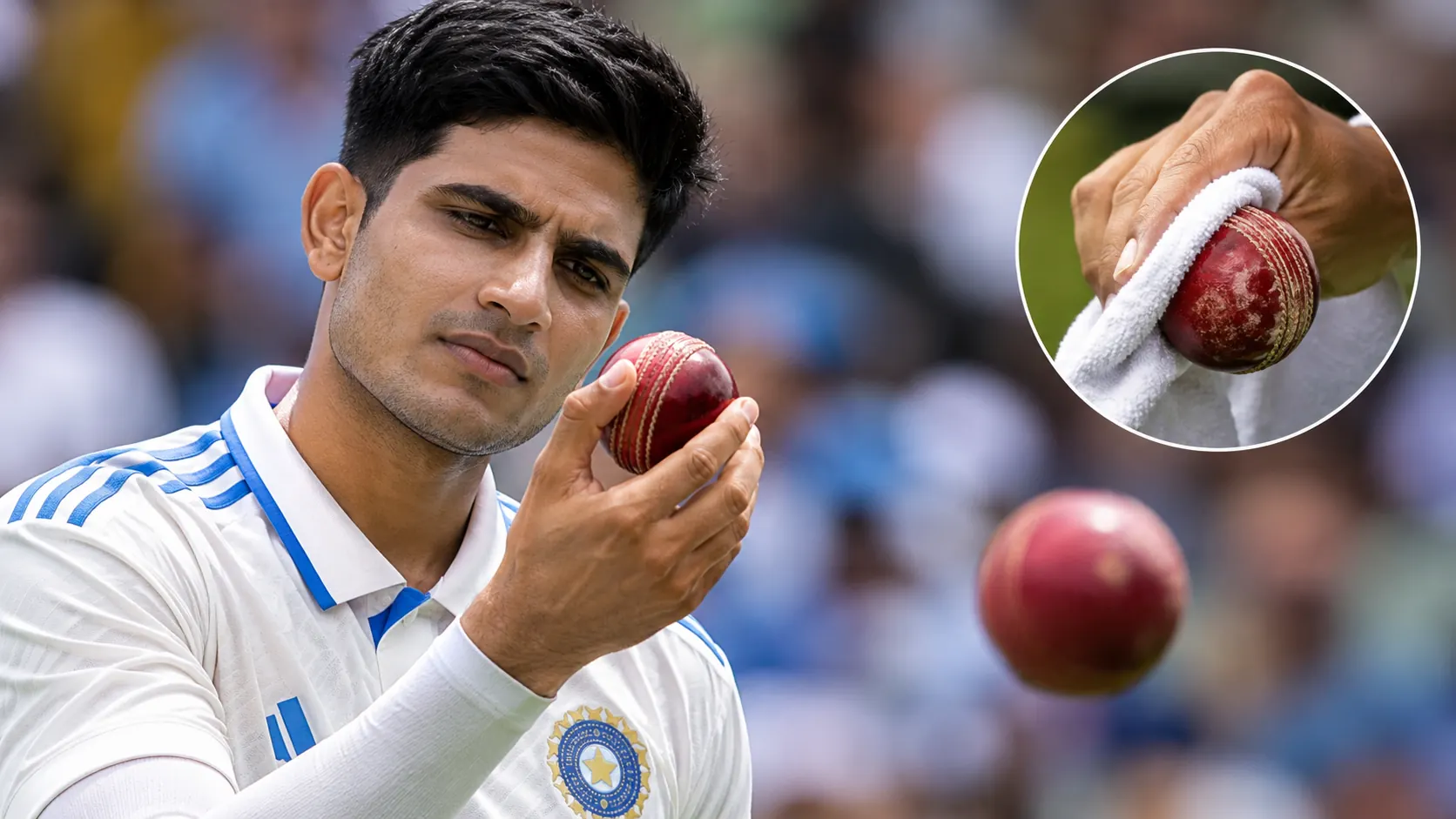

After India struggled to take wickets against New Zealand on a flat pitch at the Basin Reserve in Wellington, captain Shubman Gill spoke strongly about bringing back proper ball management in Test cricket. He believes the current rules make life too hard for bowlers, especially on pitches that offer little help.
The 2018 ball-tampering scandal in South Africa still hangs over the game. Players, coaches, umpires and camera operators now watch the ball very closely. As a result, the art of preparing the ball has declined and reverse swing has become much rarer.
Things got even tougher in 2020. When Covid-19 spread, the ICC banned the use of saliva on the ball for health reasons. Gill feels that ban has outlived its purpose. “There was a rule that you cannot put saliva on the ball to make it shine,” he said. “It has been seven to eight years and I still do not understand why they are not allowing it. If you are not able to maintain the ball, especially on wickets like these, it makes the job of the bowlers very difficult.”
The ICC has no plans to remove the saliva ban. Officials still see the practice as unhygienic. The Marylebone Cricket Club, which looks after the laws of the game, continues to support the ban. In 2022 it said the rule had little effect on swing and removed the problem of players using sugary sweets to change their saliva.
Bowlers and fielders can still use sweat to shine the ball, but it works less well. The skill of reverse swing was made famous by Pakistan greats Wasim Akram and Waqar Younis. They polished one side of an older ball and roughened the other so the ball moved late and sharply in the opposite direction to normal swing. Batters could no longer relax once the new ball lost its shine.
Preparing the ball properly needs care. One side must stay smooth while the other becomes scuffed. In the past, saliva and the red marks on white trousers showed legal shining. Roughening often came from the ball hitting dry grass or being thrown in. Some players crossed the line. Waqar was the first to be suspended for ball-tampering. Later, players such as Sachin Tendulkar, Mike Atherton and Faf du Plessis faced accusations.
The biggest shock came in 2018 when cameras caught Cameron Bancroft with sandpaper. Steve Smith and David Warner were also involved. The harsh bans that followed made many players scared to touch the ball. Former coach Justin Langer has said the scandal almost killed the craft.
Scuffing the ball remains a grey area. Throwing it into the dirt or rolling it in the gloves is usually allowed. Anything more is treated as tampering. The ICC cricket committee still supports legal reverse swing and has even looked at using only one new ball in one-day games so the ball ages faster.
Former England batter Dawid Malan has suggested giving players more freedom. He believes the skill of making a ball reverse should be allowed as long as no foreign objects are used. Many feel that would make the contest between bat and ball fairer again.