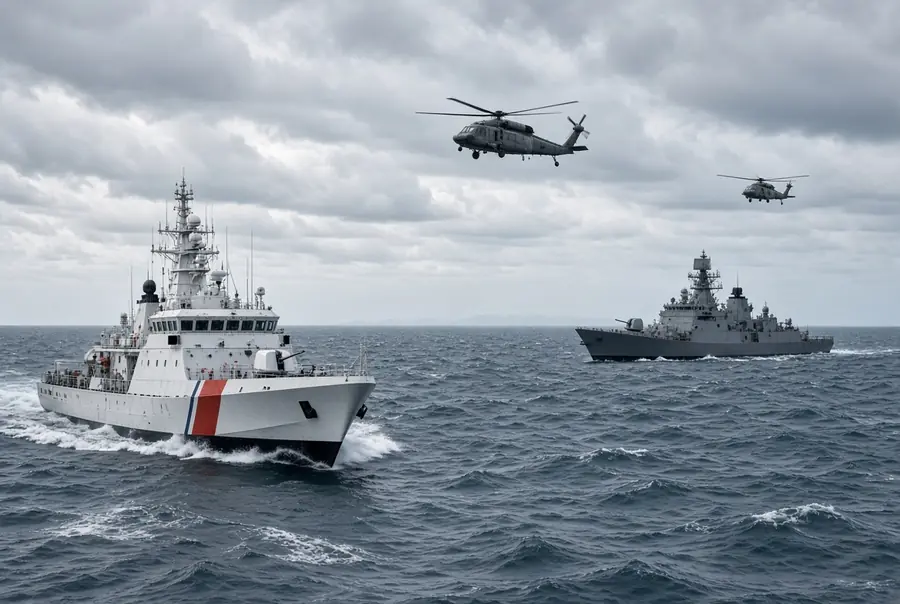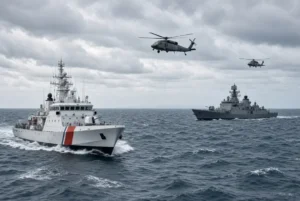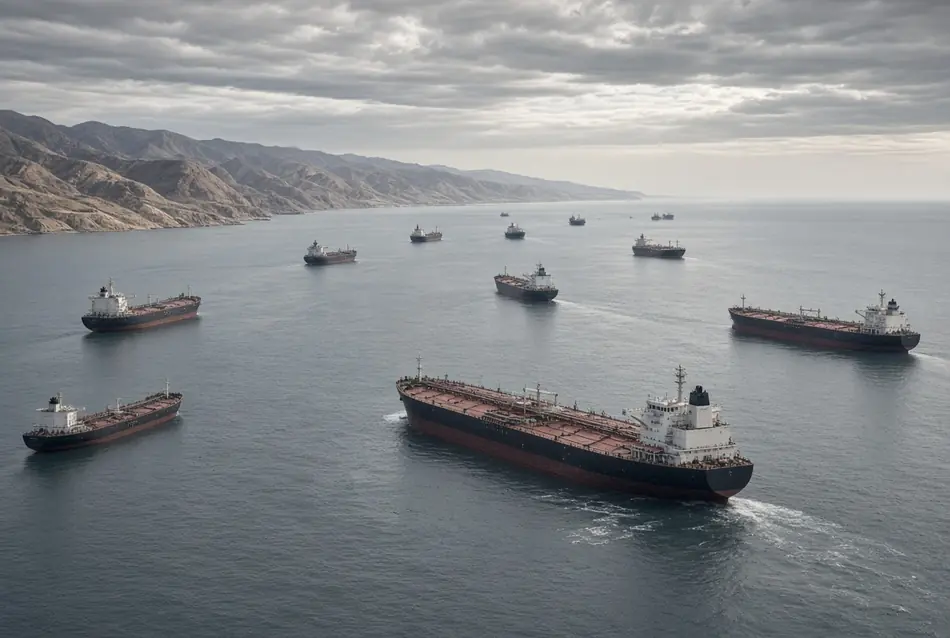

Stricter US sanctions are set to hit Iran harder as the Islamic Republic continues to keep traffic through the Strait of Hormuz under tight control. Oil shipments in the vital waterway have almost stopped, and Tehran has warned it will strike any unauthorised tankers that try to pass.
After nearly six months of conflict that began with US and Israeli airstrikes on February 28, neither side is currently firing but there is still no move toward peace talks. Iran’s economy already faces heavy pressure from existing sanctions, and the new measures could make the situation much worse for the country and its key trading partners, especially China.
US Treasury Secretary Scott Bessent is scheduled to announce what he has called the toughest sanctions in history on Monday. He has also urged China to stop buying Iranian oil, noting that Beijing takes more than 80 percent of the crude Iran manages to ship. China has responded by calling for diplomacy instead of more pressure.
Iranian officials reacted strongly. Foreign Ministry spokesperson Esmaeil Baghaei described the planned secondary sanctions as an illegal attempt to control independent nations. Mohsen Rezaei, secretary of the Supreme National Security Council, warned neighbouring countries not to join the US economic campaign or face being treated as enemies.
Meanwhile, the Strait of Hormuz remains almost empty. Ship tracking data showed only four commodity vessels moving through on one recent day, none of them large oil or gas tankers. Iran has allowed a few Iraqi oil tankers to pass after special requests from Baghdad. US officials say daily oil flow through the strait has dropped from more than 20 million barrels before the war to about 8 million.
Iran insists it still has enough missiles and drones to control the waterway and strike regional targets. Leaders have also spoken of new regional security ideas while President Masoud Pezeshkian has called for an end to the fighting while Iran still holds a strong position. President Trump continues to say Iran is not ready for the right deal.
The combination of new US sanctions and the near halt in Hormuz traffic is pushing oil prices higher and raising fresh concerns about energy supplies worldwide.