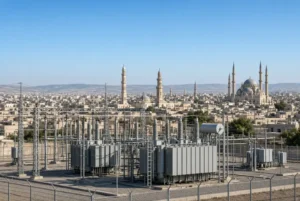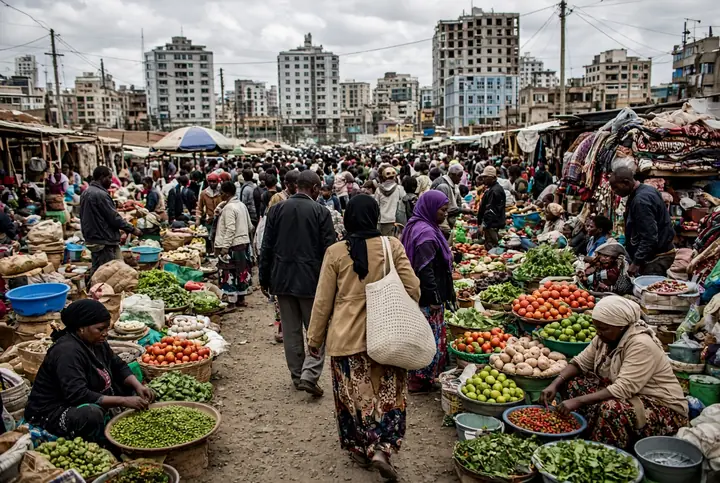

Developing countries are facing a dangerous mix of rising energy prices, extreme weather and high borrowing costs that could push many into serious financial trouble, the United Nations Development Programme warned on Friday. Conditions are starting to resemble the difficult period of the pandemic when the G20 temporarily paused debt payments for the poorest nations.
UNDP Administrator Alexander De Croo told reporters that global policymakers will discuss these challenges at the annual meetings of the International Monetary Fund and World Bank in Bangkok from October 12 to 18. He cautioned that the situation could create a domino effect, with many countries sliding into financial distress. However, he stopped short of calling for a fresh round of debt relief.
The meetings will bring together top financial officials to talk about the global economy, artificial intelligence, climate change and other major issues. Government borrowing costs have already reached their highest levels in several decades because of ongoing inflation concerns and the impact of the Iran war on energy prices.
At the same time, the strongest El Nino weather pattern since 1950 is expected to cause more floods in some regions and droughts in others. This could push an additional 49 million people into food insecurity by the end of 2027. De Croo noted that surveys conducted by the UNDP since the war began show the conflict has grown from a regional problem into a crisis affecting around 100 countries.
Many governments tried to protect their citizens from soaring oil prices, but their public finances are now running low and debt levels are climbing. Countries need to focus on helping the most vulnerable people, he said. While some nations are working to diversify energy sources and adapt food systems, these changes will take time and leave them in a difficult position for now.
UNDP Chief Economist George Gray Molina pointed to a major shift in September. Several governments began allowing higher energy prices to reach consumers and started cutting subsidies and tax relief that had kept food and energy costs in check. This means they can no longer fully contain the financial burden. Even middle income countries have quickly used up their fiscal buffers.
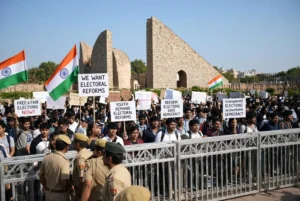
Bond market and oil price movements over the next 60 days will be especially important. Higher prices have already sparked protests and social unrest in 10 countries during September. Out of 26 nations surveyed by the UNDP, 22 rated the crisis as a high or medium priority. Thirteen said it came on top of an existing economic problem, and all 26 believed the worst is still ahead.